


Exterior
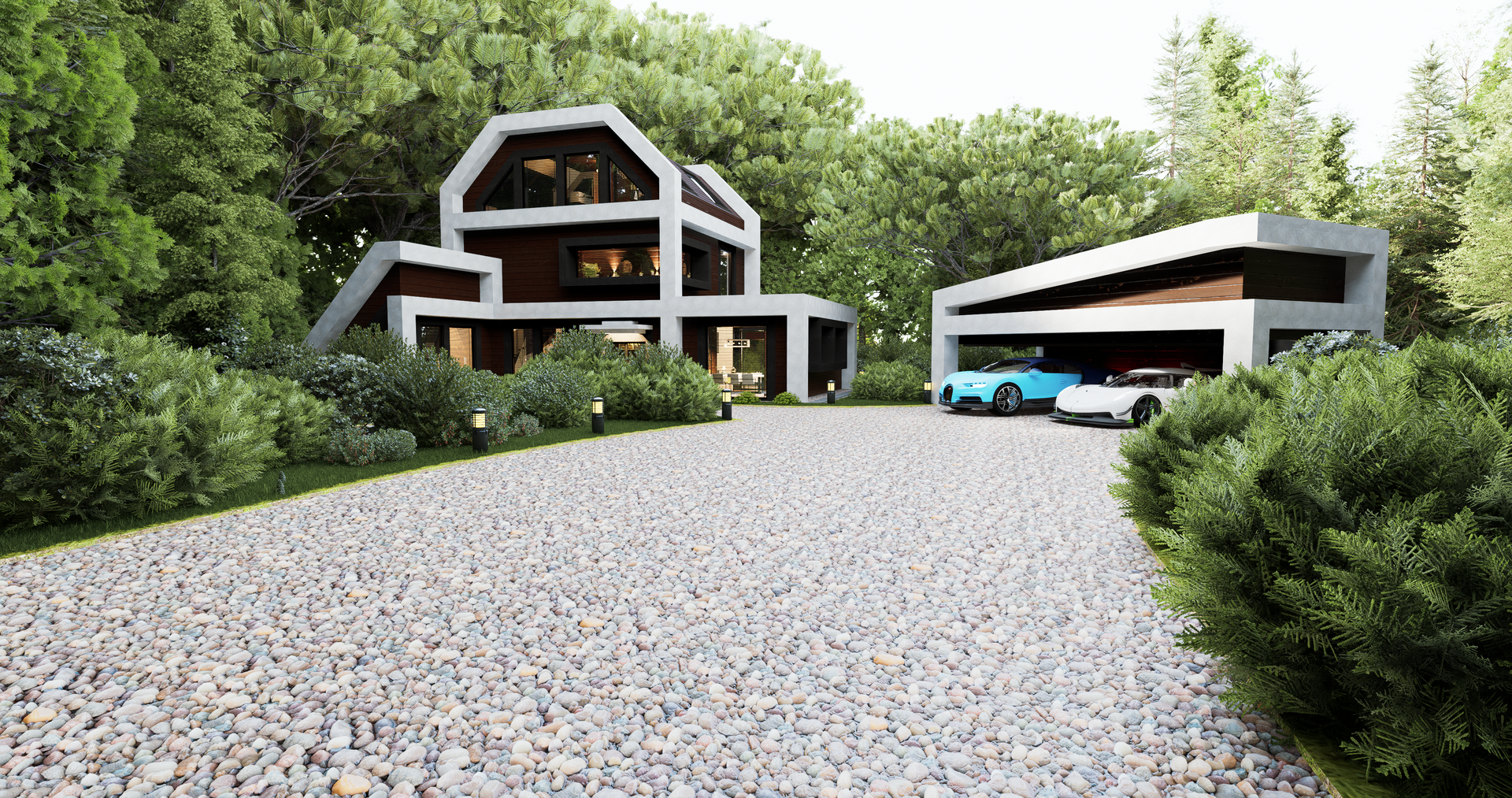
Exterior, together with interior, forms the foundation of my work. When designing a building, I often consider the interior as well, so that both enhance each other and create a cohesive whole. The exterior is not just about residential buildings, but also larger projects such as hotels, airports, and other structures.
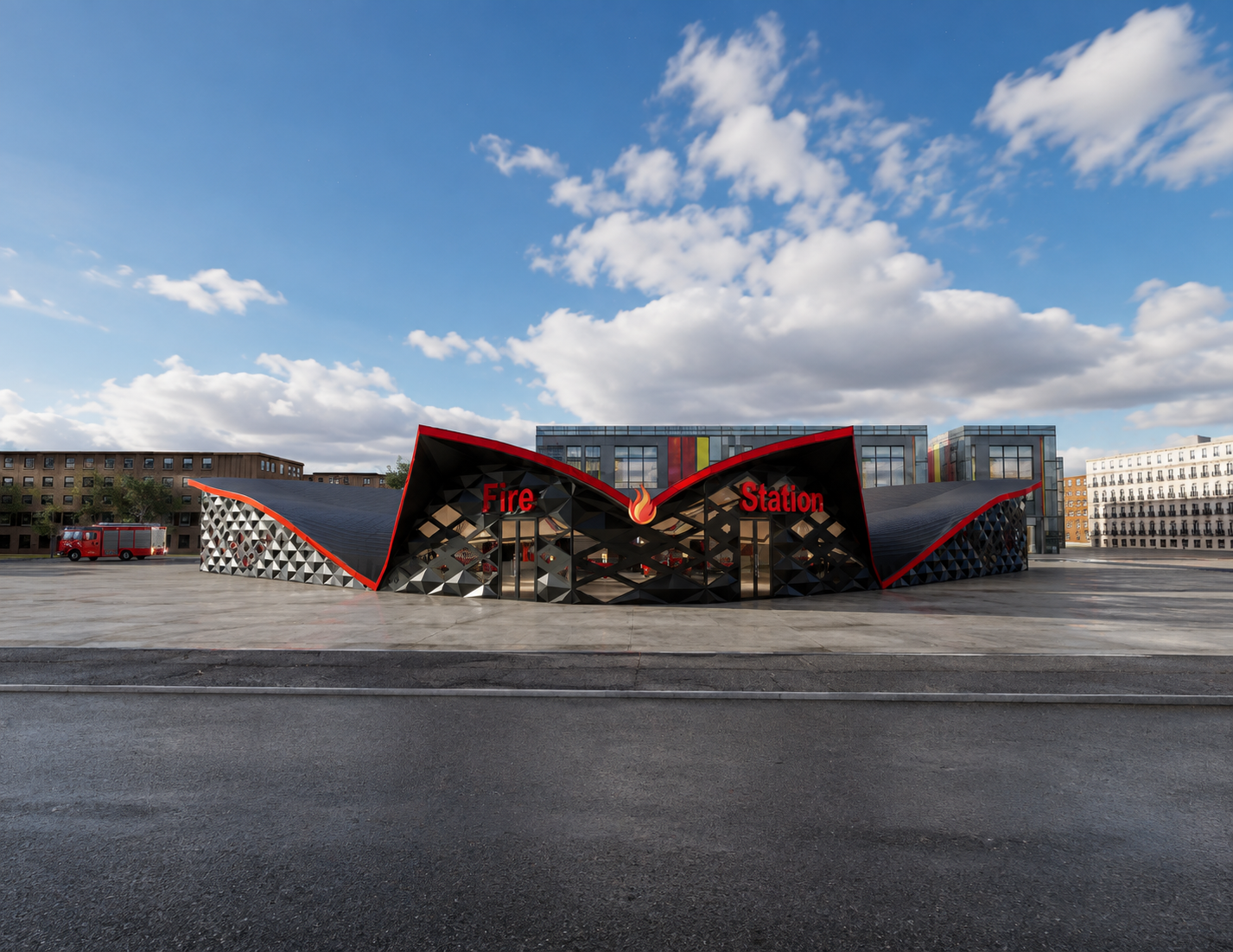
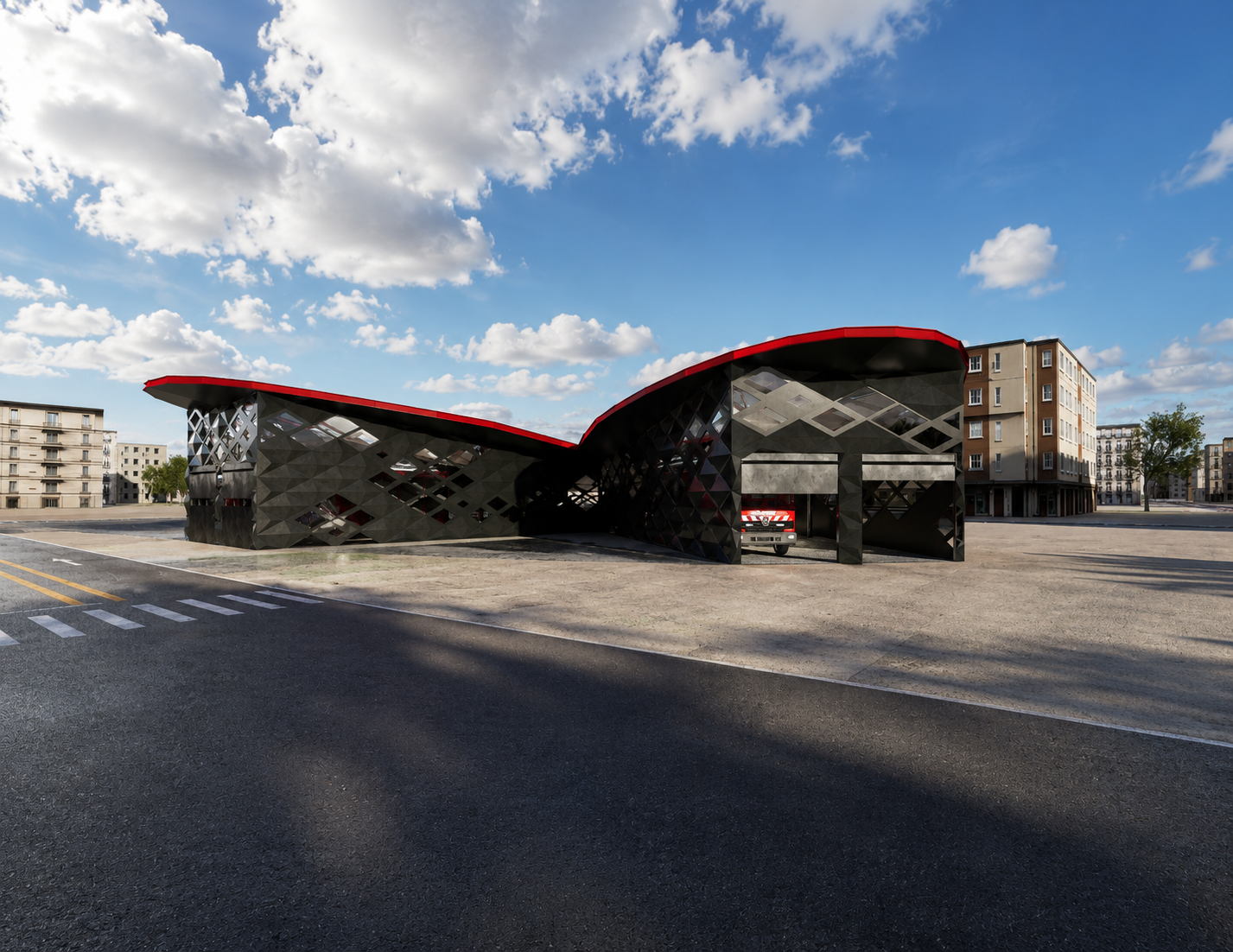
Ex Cinere From the ashes
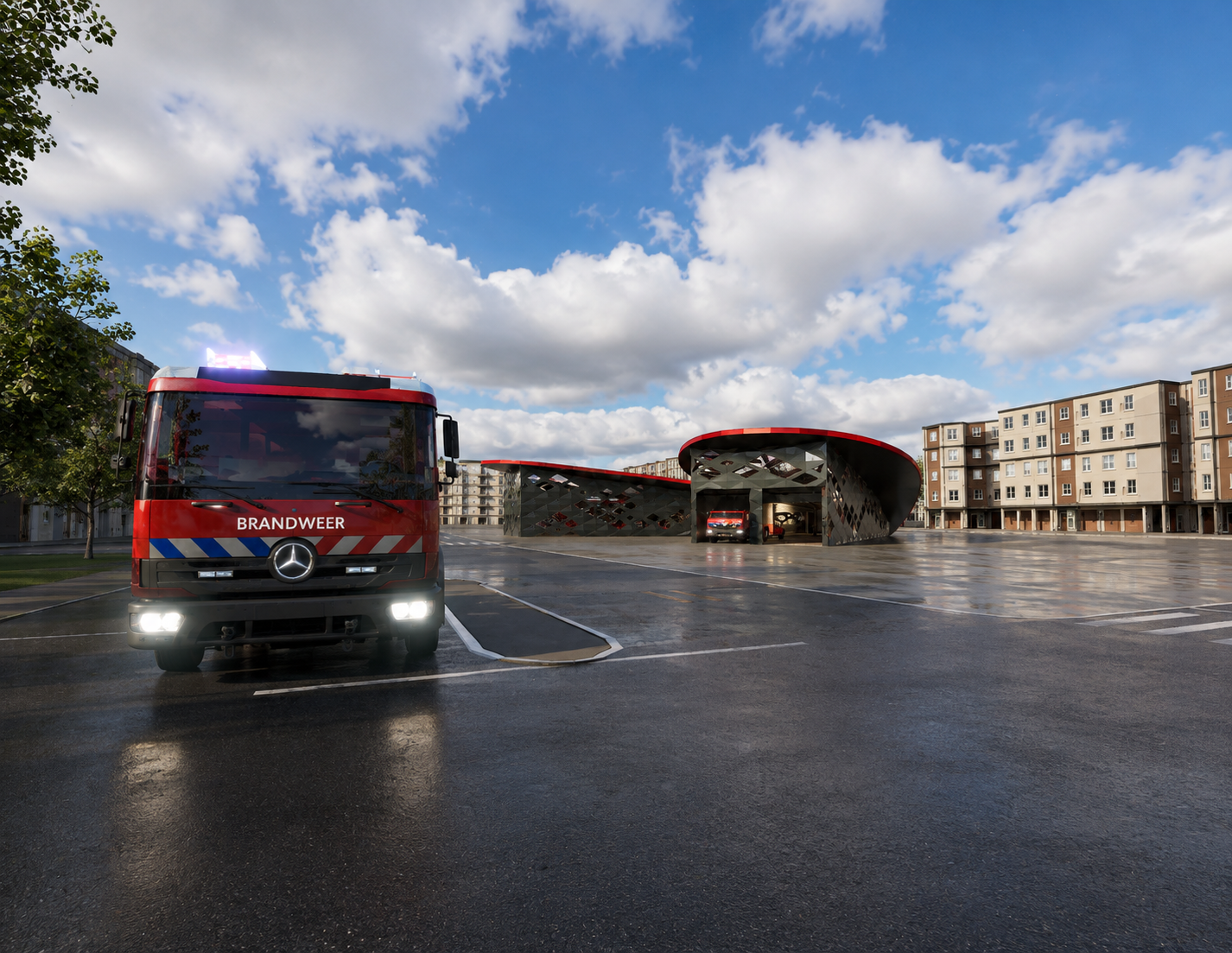
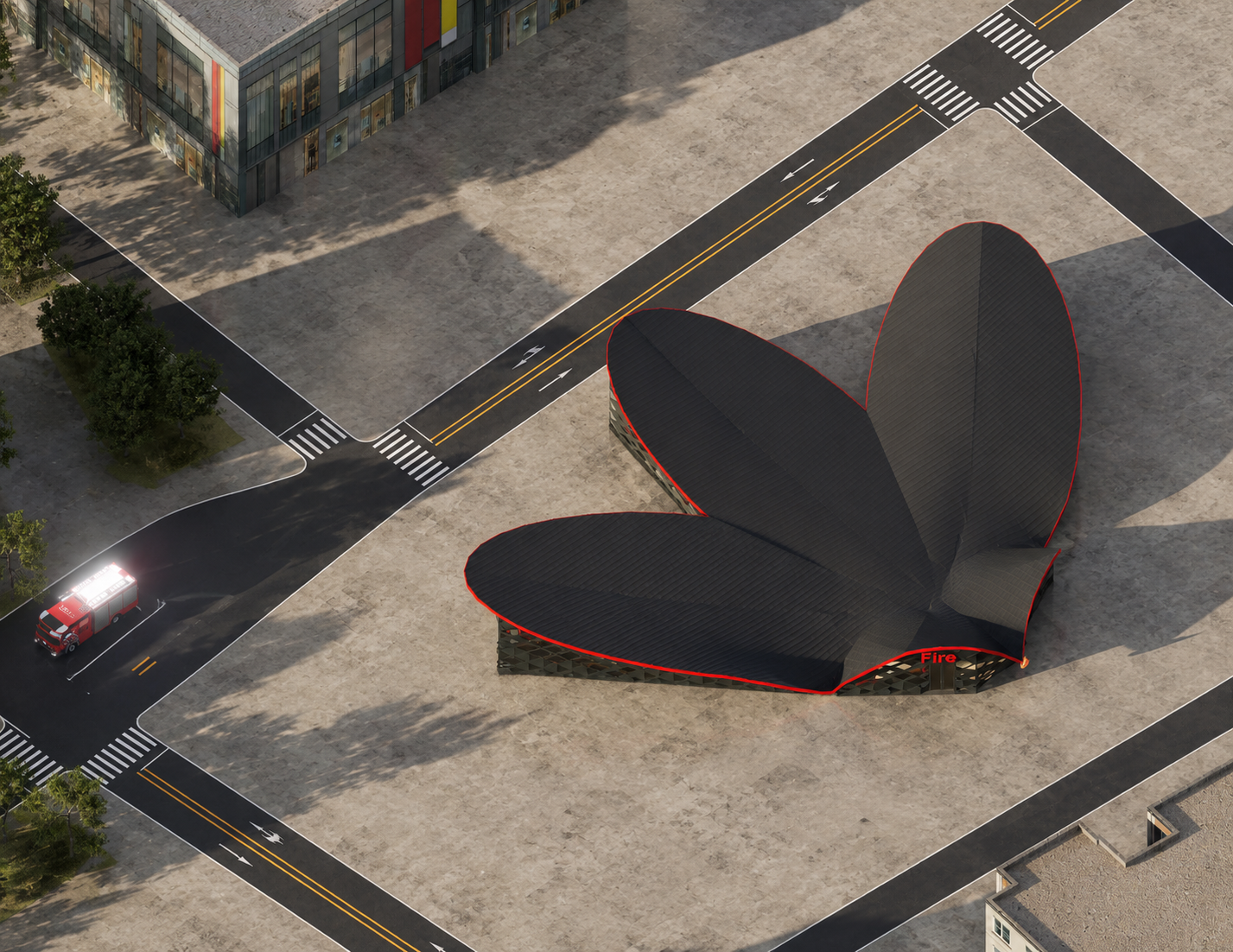
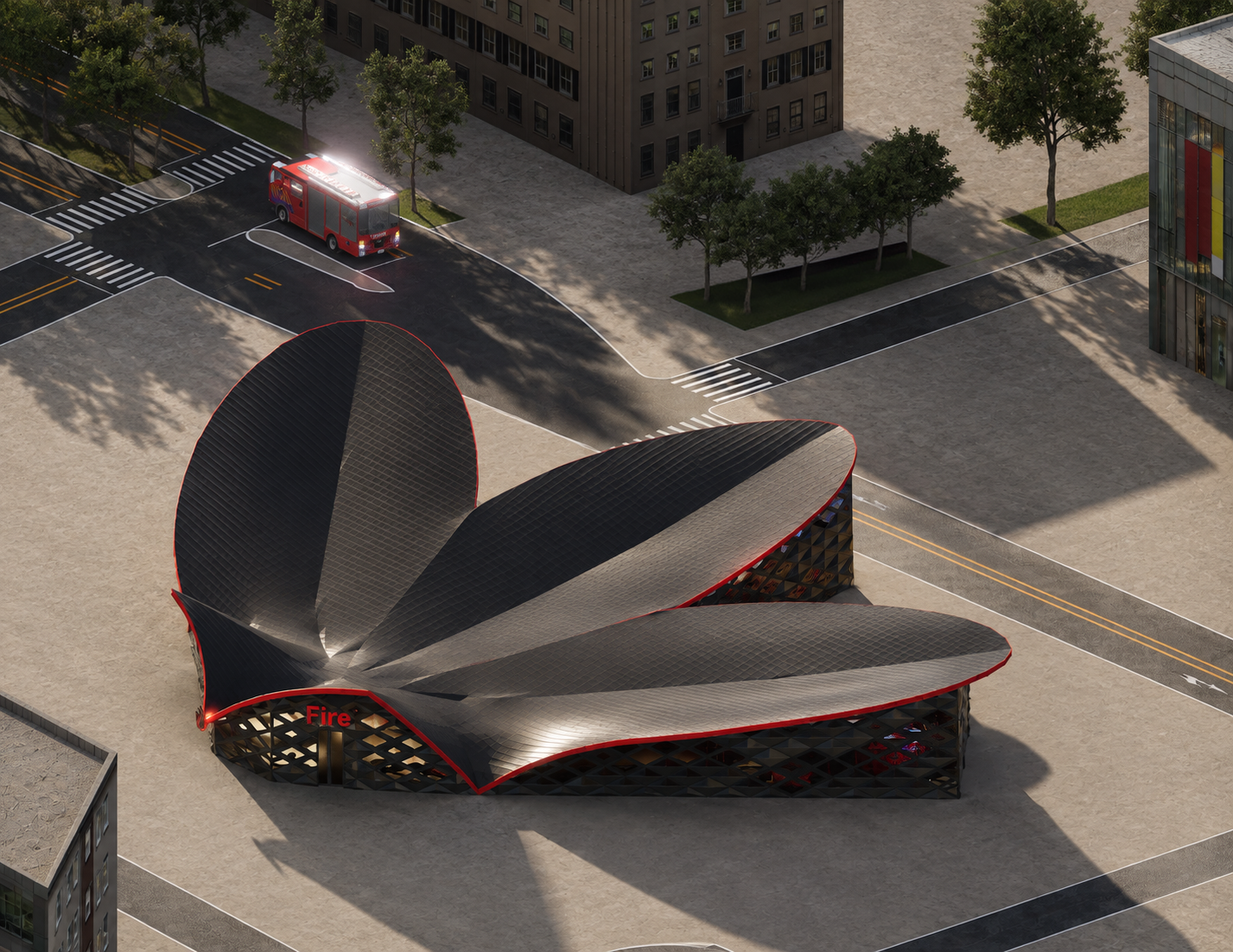
A fire station: rising from the ashes of the fires it fights.
The form of the fire station is inspired by the phoenix, a symbol of rebirth and a second life. From the front, the architecture forms the abstract beak of the phoenix, from which the two wings and the tail extend towards the back. The roof consists of three large, abstracted feathers that appear to rise from the ground, while the façade is composed of a repetition of scales and feathers.
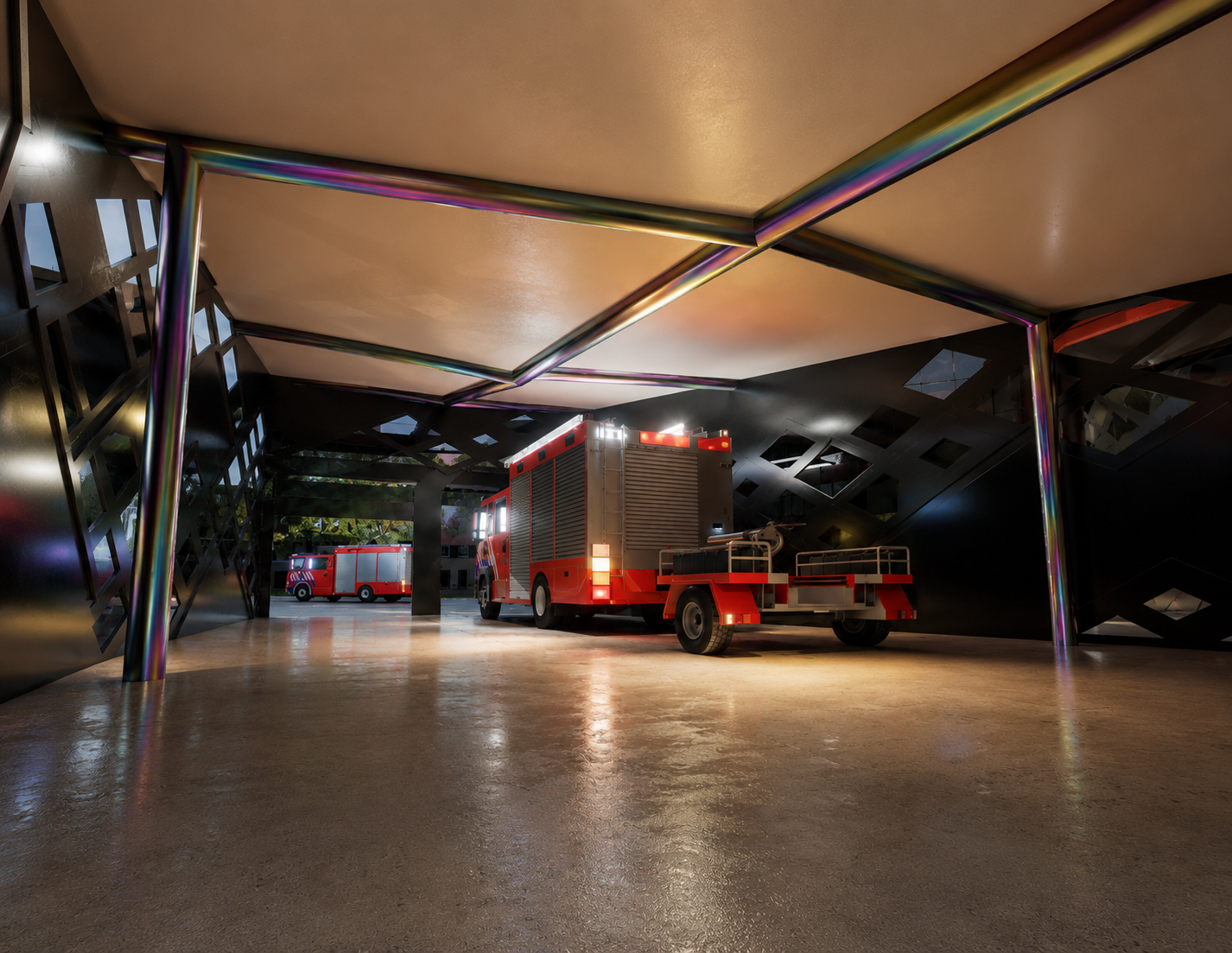
The idea of a second life is also reflected in the materiality. The steel on the interior is treated through titanium anodizing, giving it an iridescent, almost rainbow-like appearance. This transforms a material that is traditionally technical and industrial into something with a new identity through its changing colours.
Just as the phoenix rises from its own ashes, the material is given a second life, transforming the fire station itself into an expression of rebirth.
Fluenti Aerovia Fluid Airport
A space that : Automatically controls the crowds movement by default
What fascinates me is how form can guide people. I deliberately chose an airport because it is one of the most complex places where movement, stress, time pressure, and mass dynamics intersect. Travelers arrive by car, train, or bus.
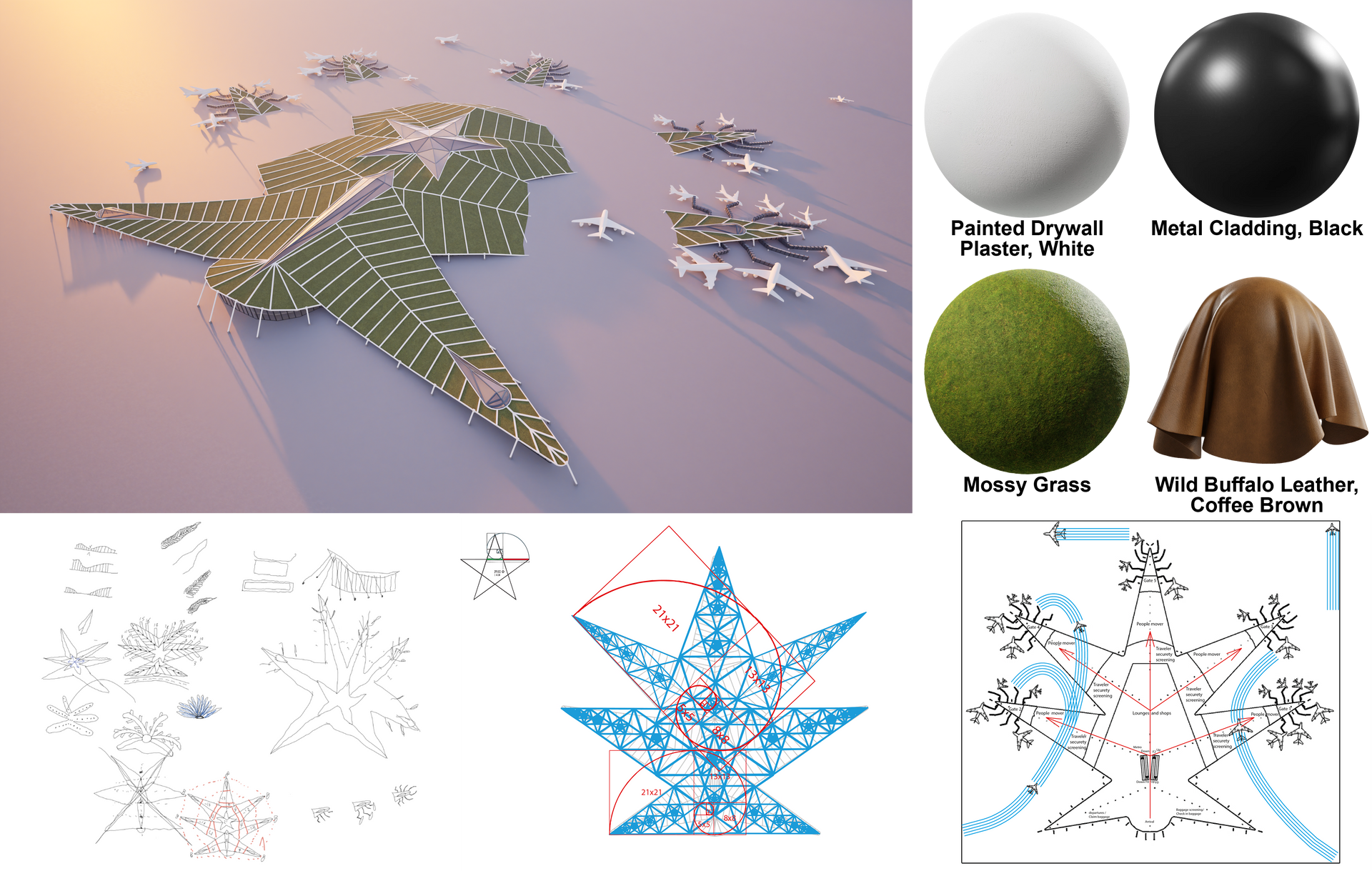
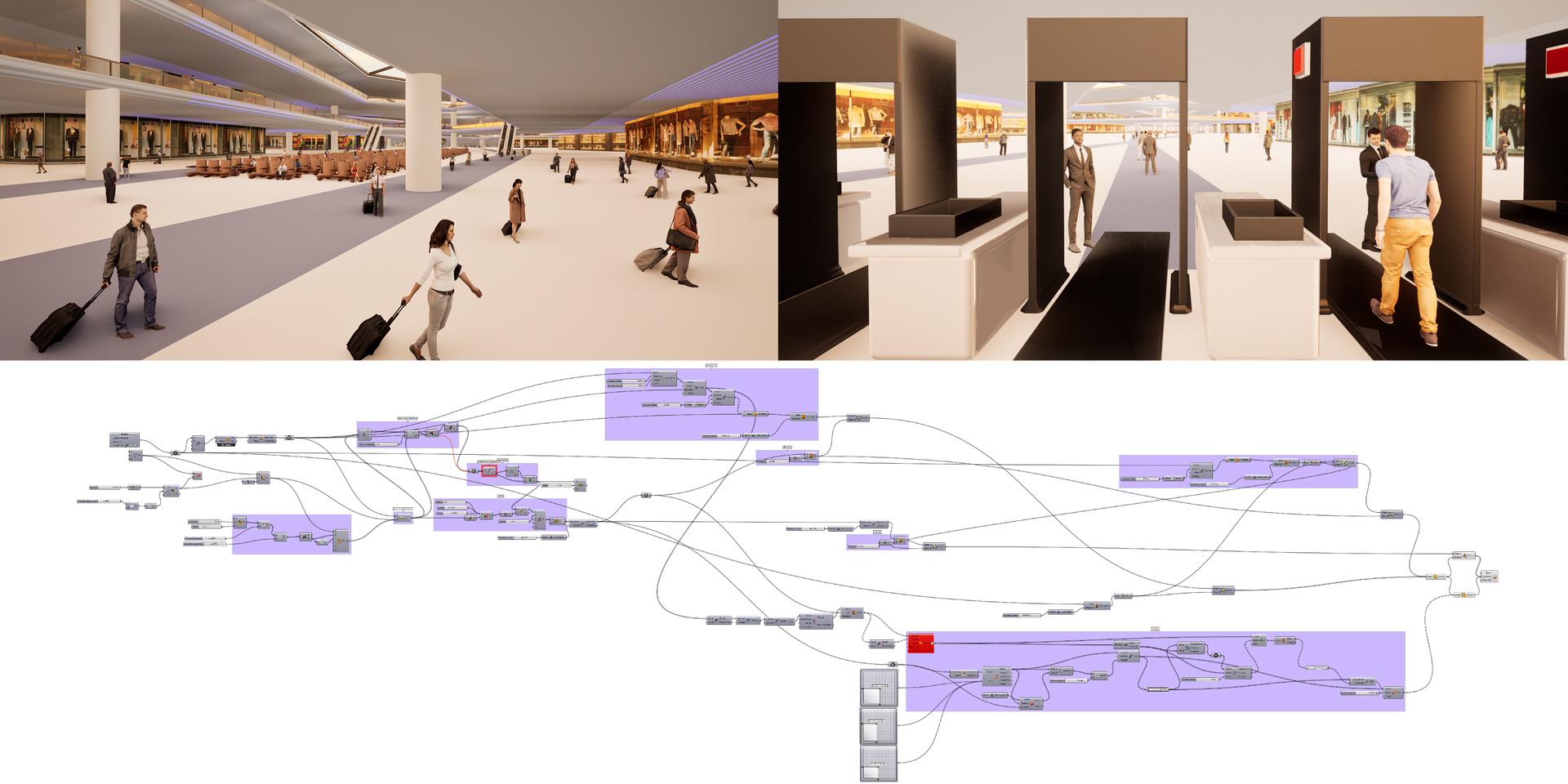
An airport consists of multiple layers, both horizontal and vertical: from kiss & ride to the terminal, from boarding to the aircraft. Often, these functions are situated at different heights. This offers a perfect opportunity to explore how depth, height, light, descent, and spatial sequences can provide direction, even without signage.
My central question is: How do I move people through form?
To investigate this, I combine parametric techniques with principles from nature, such as flocks of birds, currents, and ants. These patterns slow down, speed up, or split movement, just like passenger flows. Additionally, I experiment with light, color, and materiality to create a softer, more home-like experience within an infrastructure that often feels impersonal.
An airport is the most stress-sensitive and layered transportation hub we know. Therefore, it is the ideal case study to investigate how the overall form can intuitively guide people.
Because if it works here, it works everywhere.
Domus Natura Living in an ecosystem
What if: removed architecture returned as a unity of nature and living
What bothers me is the tension between the architect’s creative freedom and the economic
logic of residential development. Apartment buildings are often designed to be as efficient as possible, maximizing the number of dwellings on the smallest possible footprint. As a result, buildings often become simple rectilinear volumes without recesses, since every cut-out represents a direct loss of usable floor area.
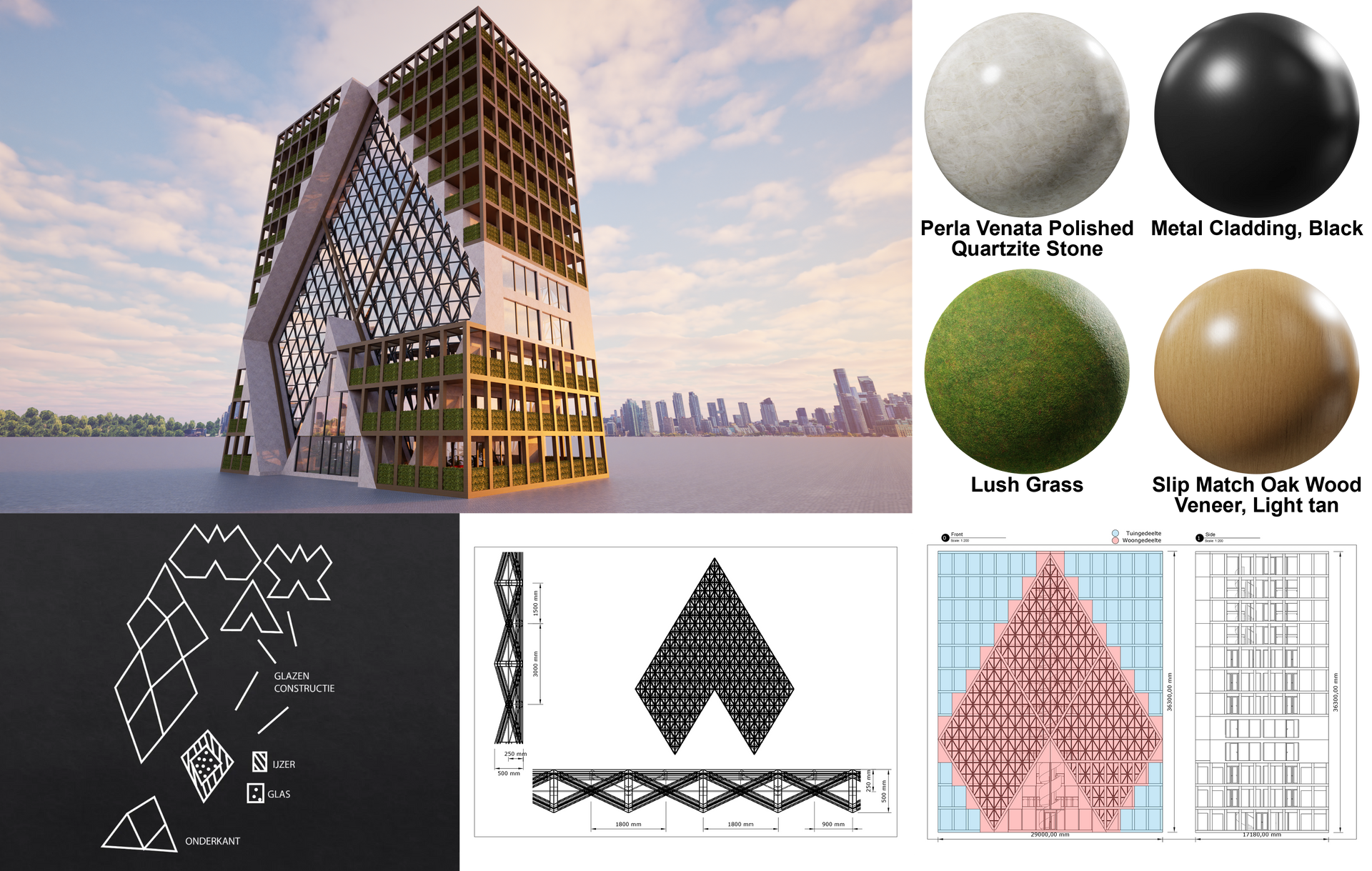
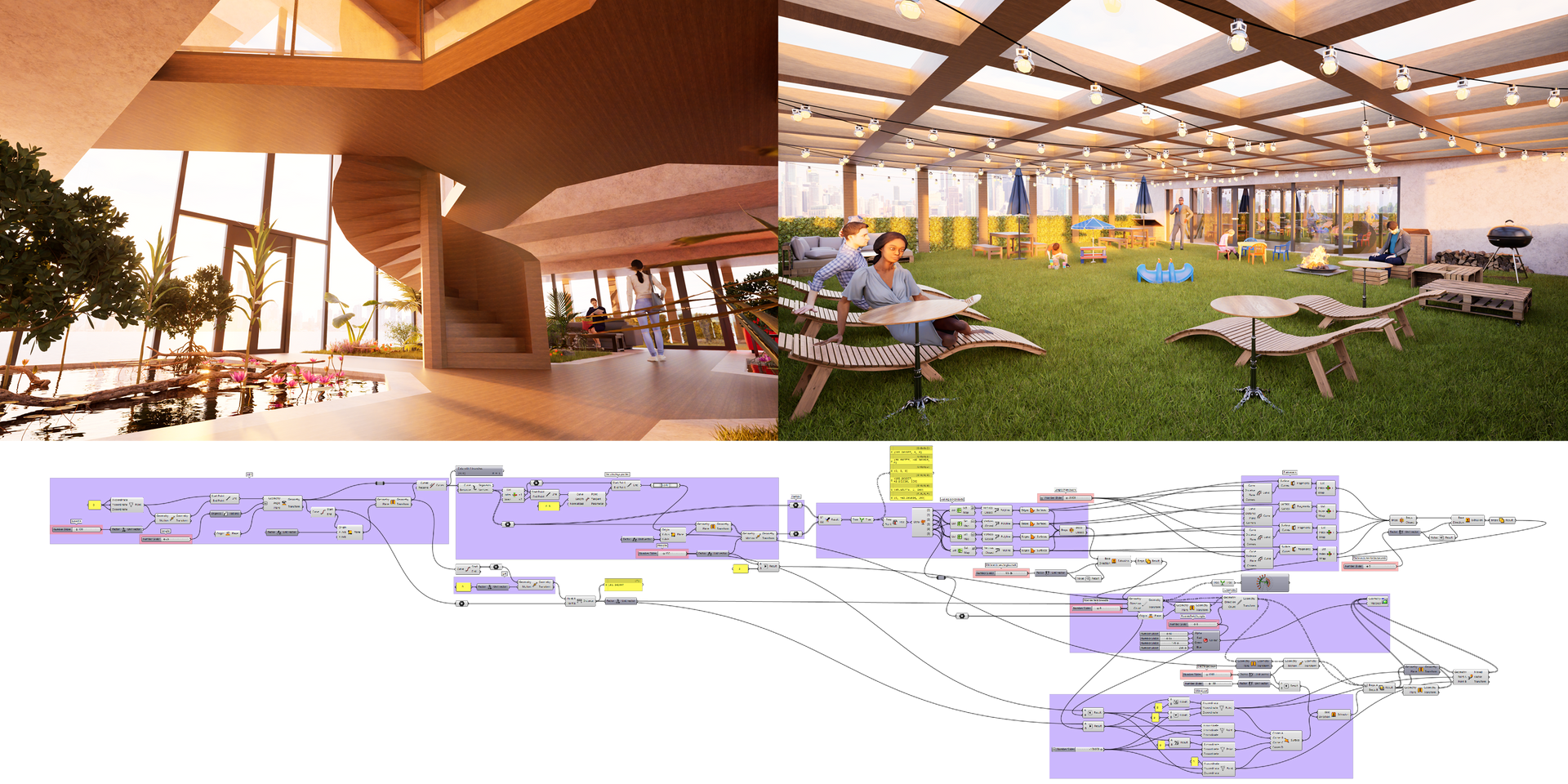
Within this project, I investigate what happens when that lost mass does not disappear, but returns as collective living space and nature. Instead of a fully solid volume, each floor is given fixed dimensions in which recesses are created that are returned as roof terraces and shared outdoor spaces.
My central question is: What if removed architecture returns as a unity of nature and living?
To investigate this, I combine parametric design with spatial optimization. The form responds not only to efficiency, but also to light, sightlines, social interaction, and quality of life. This results in a residential building where nature is not an afterthought, but becomes part of the architectural mass itself.
The project investigates how densification does not automatically have to lead to a loss of spatial quality. Precisely by removing mass, architecture can return space to people and nature simultaneously.
Apertura Lumos The view through to the light
A labyrinth where: light guides perception instead of direction
What has always intrigued me is how light influences our spatial perception and mental state. Daylight has a positive effect on people, even within museum spaces. At the same time, a conflict arises there, because direct sunlight can damage works of art.
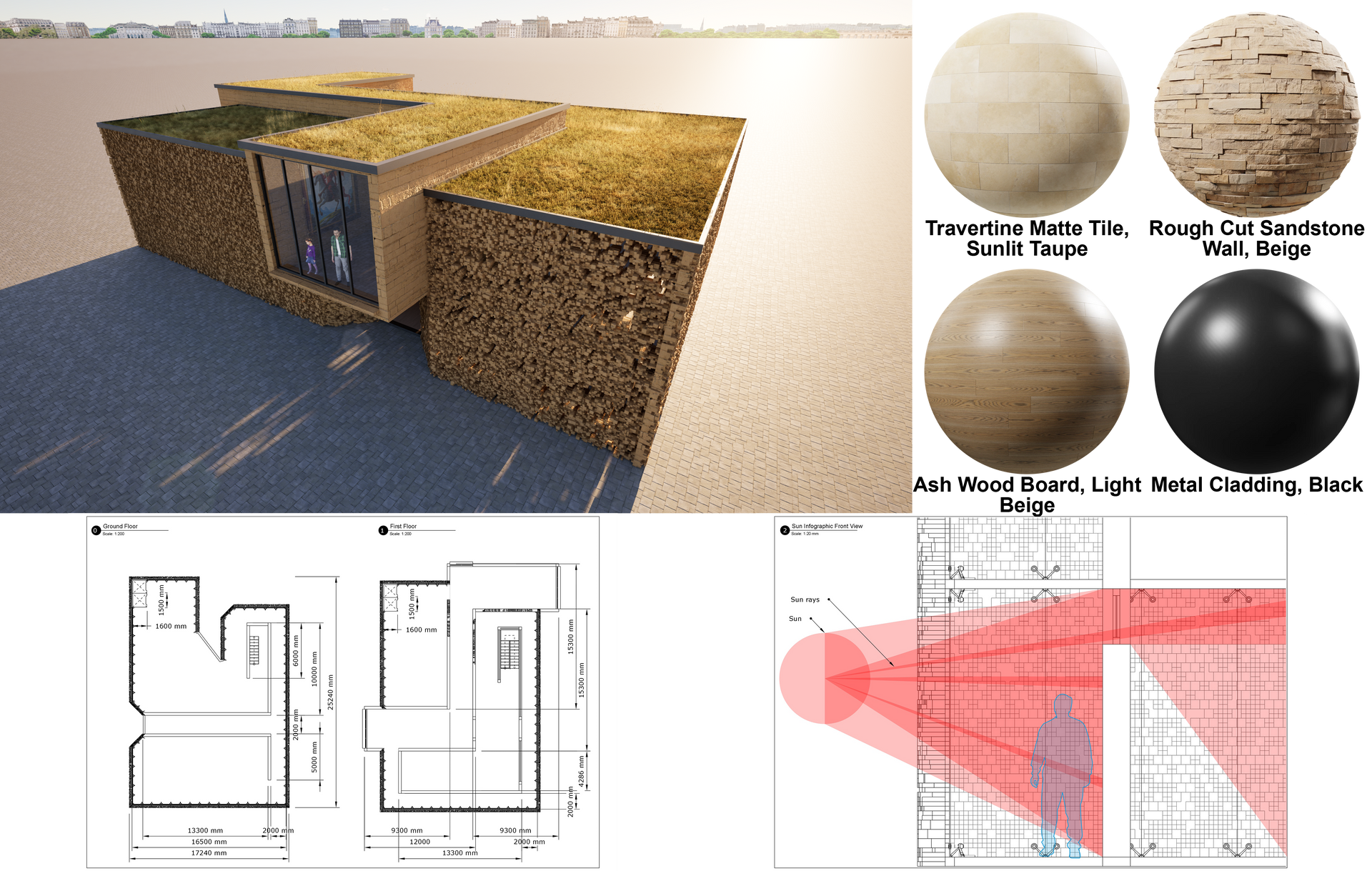
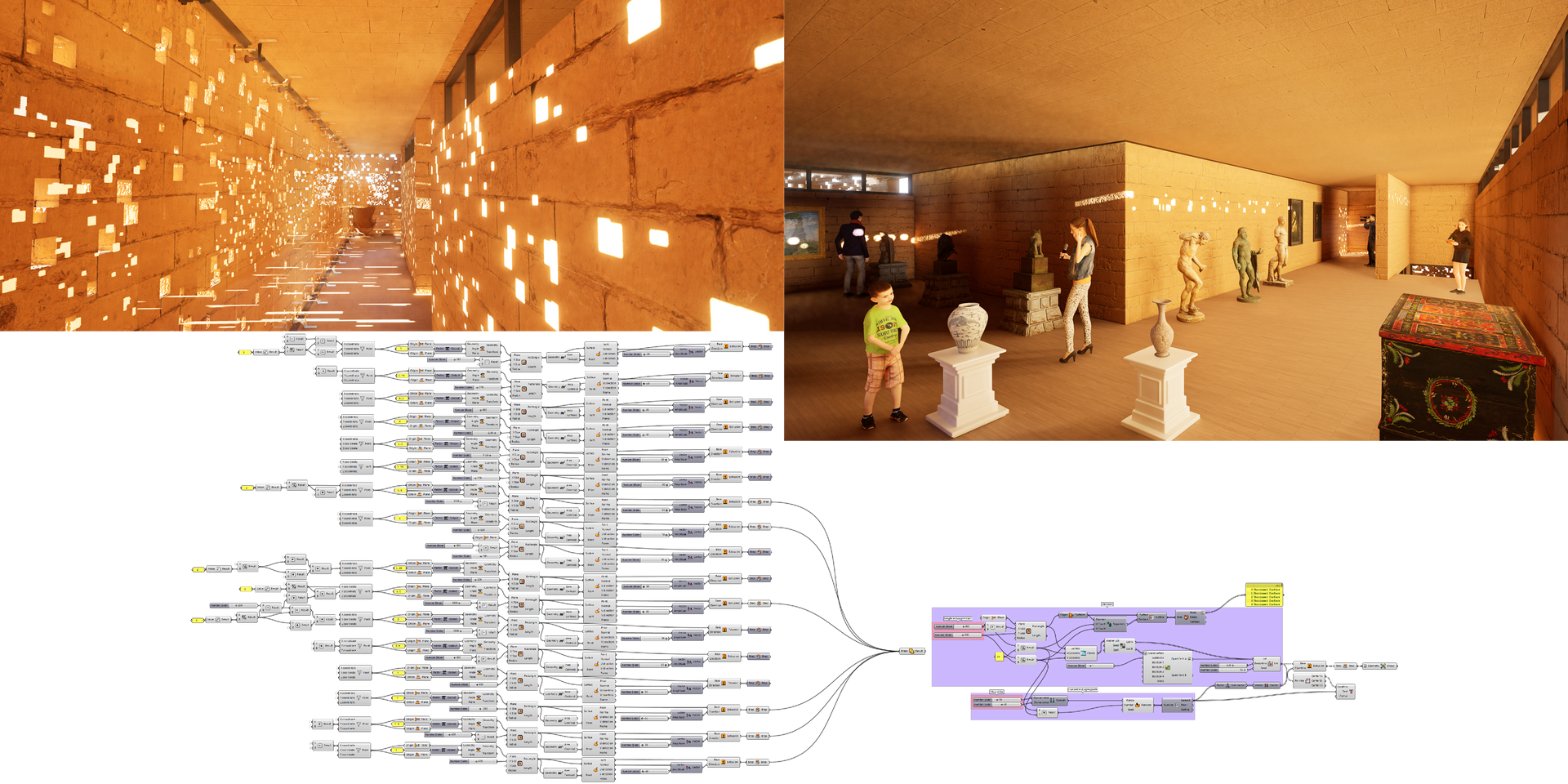
Within this project, I investigate how indirect daylight can still become part of the museum experience. By working with a double wall and strategically placed openings, a system is created in which the light first travels along an intermediate space before reaching the exhibition space diffusely. As a result, direct sunlight never enters, but precisely enough indirect light to illuminate the spaces in a natural way.
My central question is: How can I transform daylight into indirect light without damaging the art?
To investigate this, I combine light studies with a labyrinthine spatial structure. By deliberately breaking sightlines and allowing routes to run indirectly, disorientation is created, making the museum feel larger than it actually is. In this context, light functions not only as illumination but also as a spatial compass.
The museum thus becomes not only
a place to view art, but also an experience in which light, direction, and space are in constant dialogue with one another.
Oude kraan 34-70
I found the Master's program in Architecture to be incredibly inspiring. My desire is to explore the nuances of construction technology more thoroughly, enabling me to transition into the architecture program equipped with essential skills after completing my current studies. Previously drawn to the artistic aspects, I am now eager to investigate the technical dimension more deeply. The groundbreaking contributions from this secondary minor particularly resonate with me, fueling my motivation to acquire this knowledge. Consequently, I made the choice to pursue this minor alongside the Construction minor.
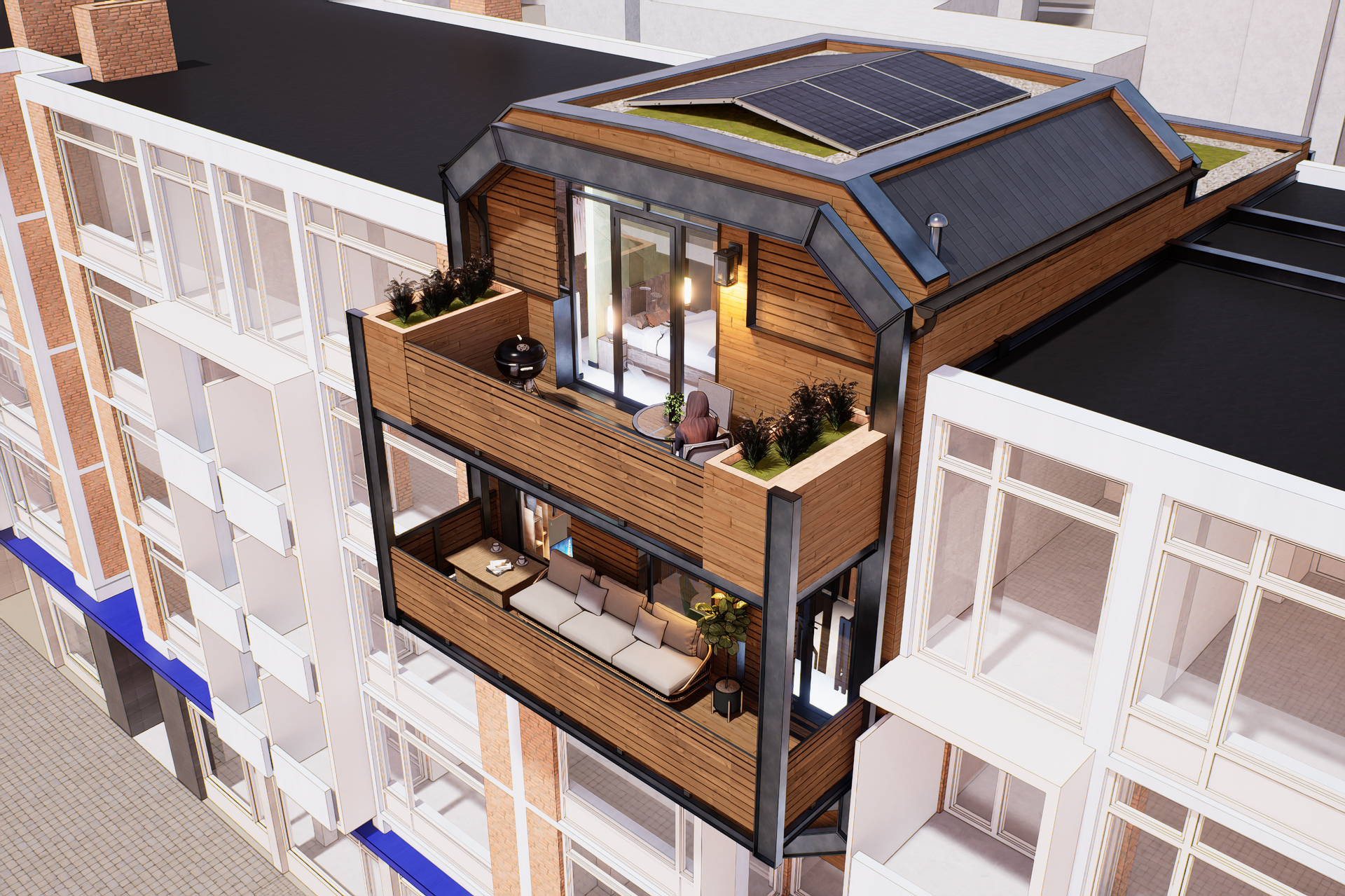
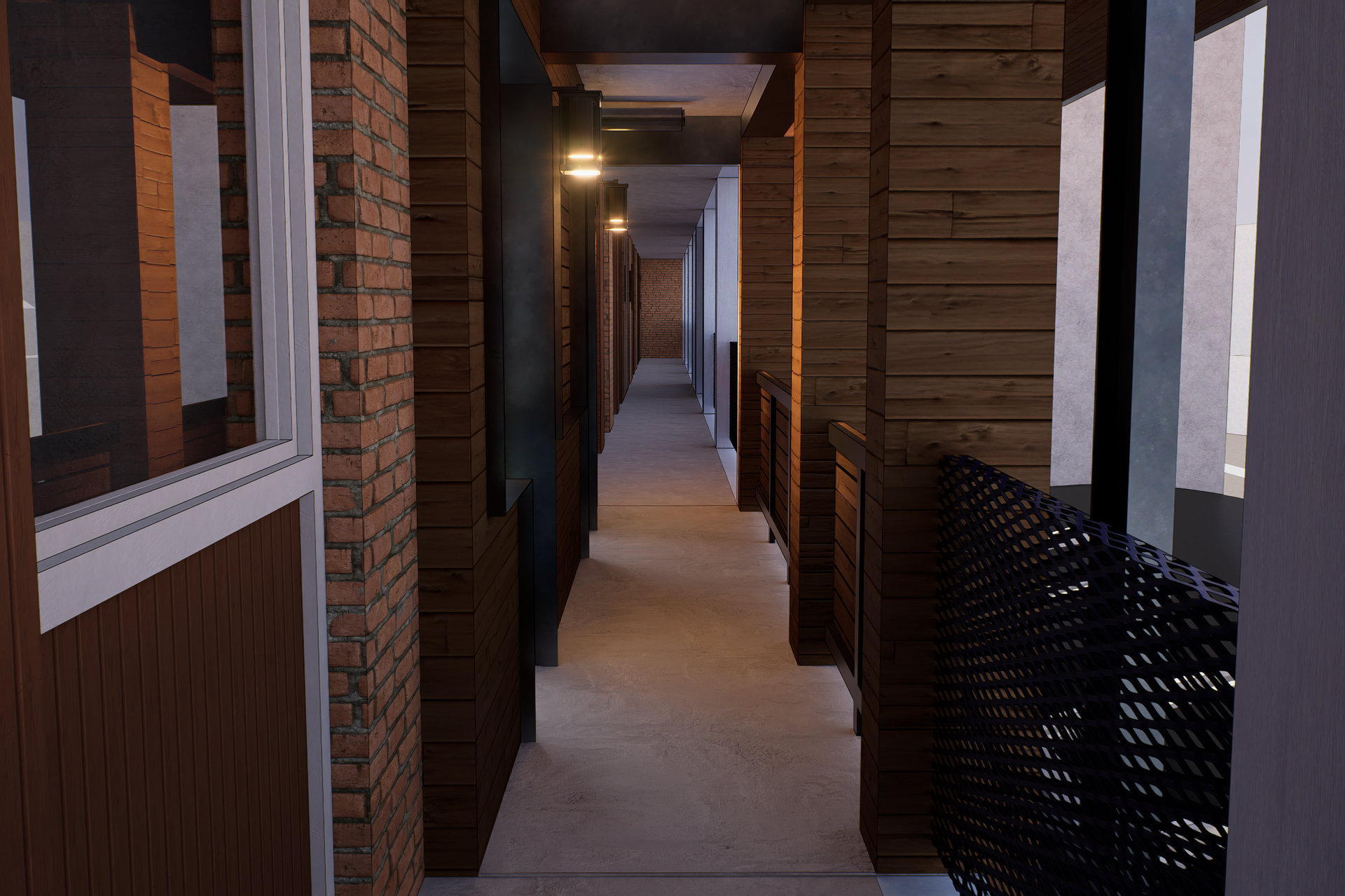
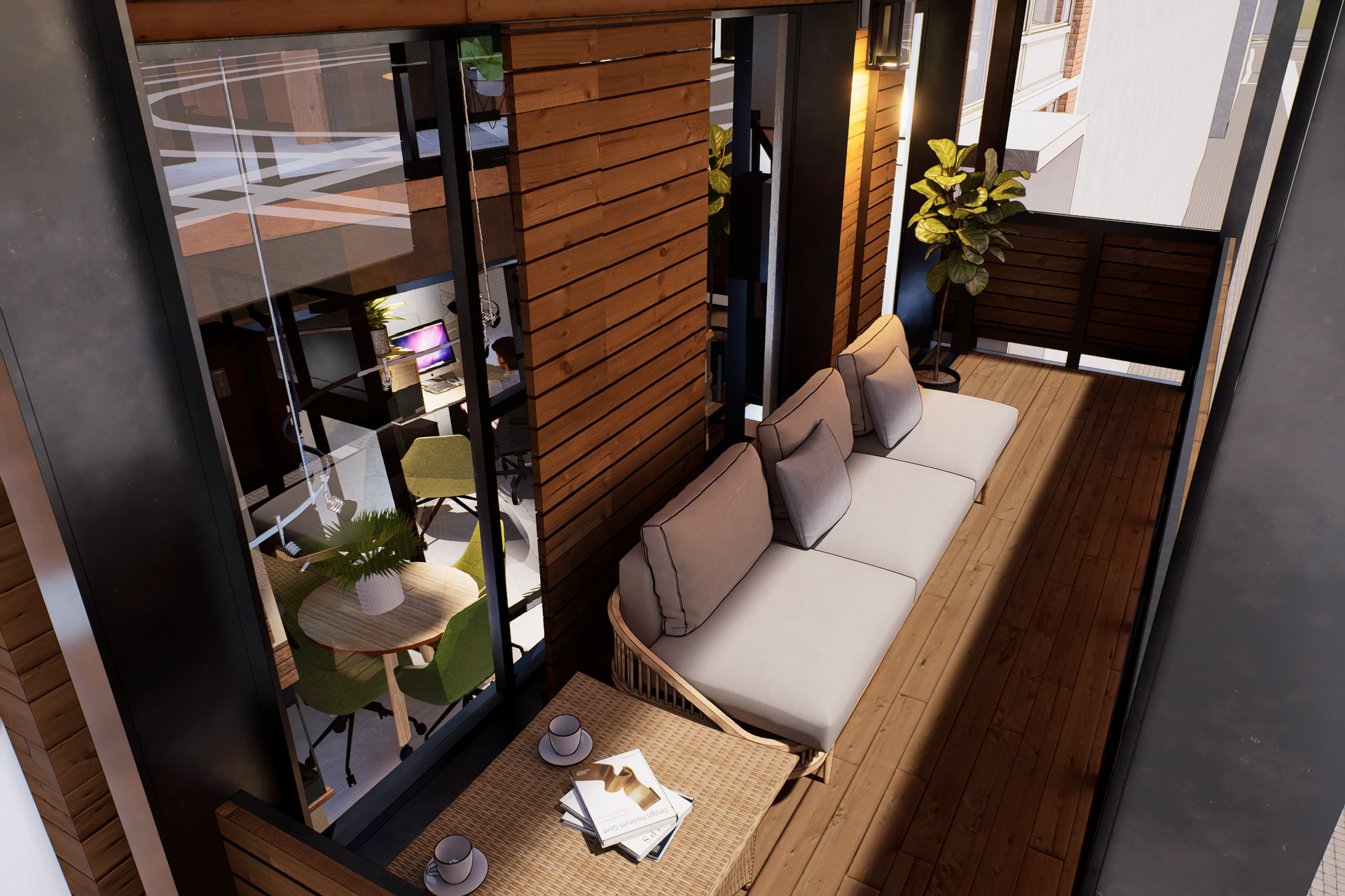
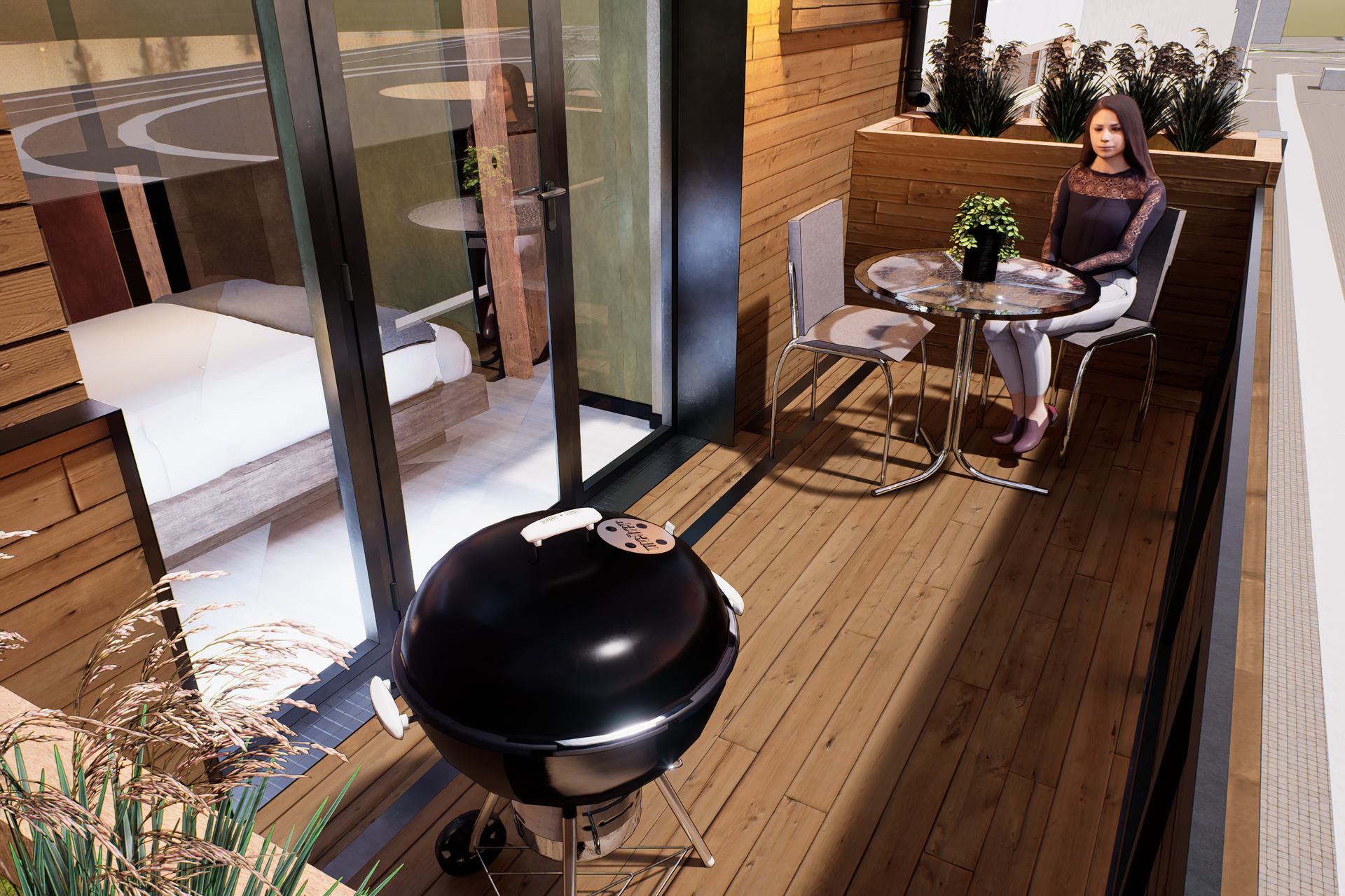
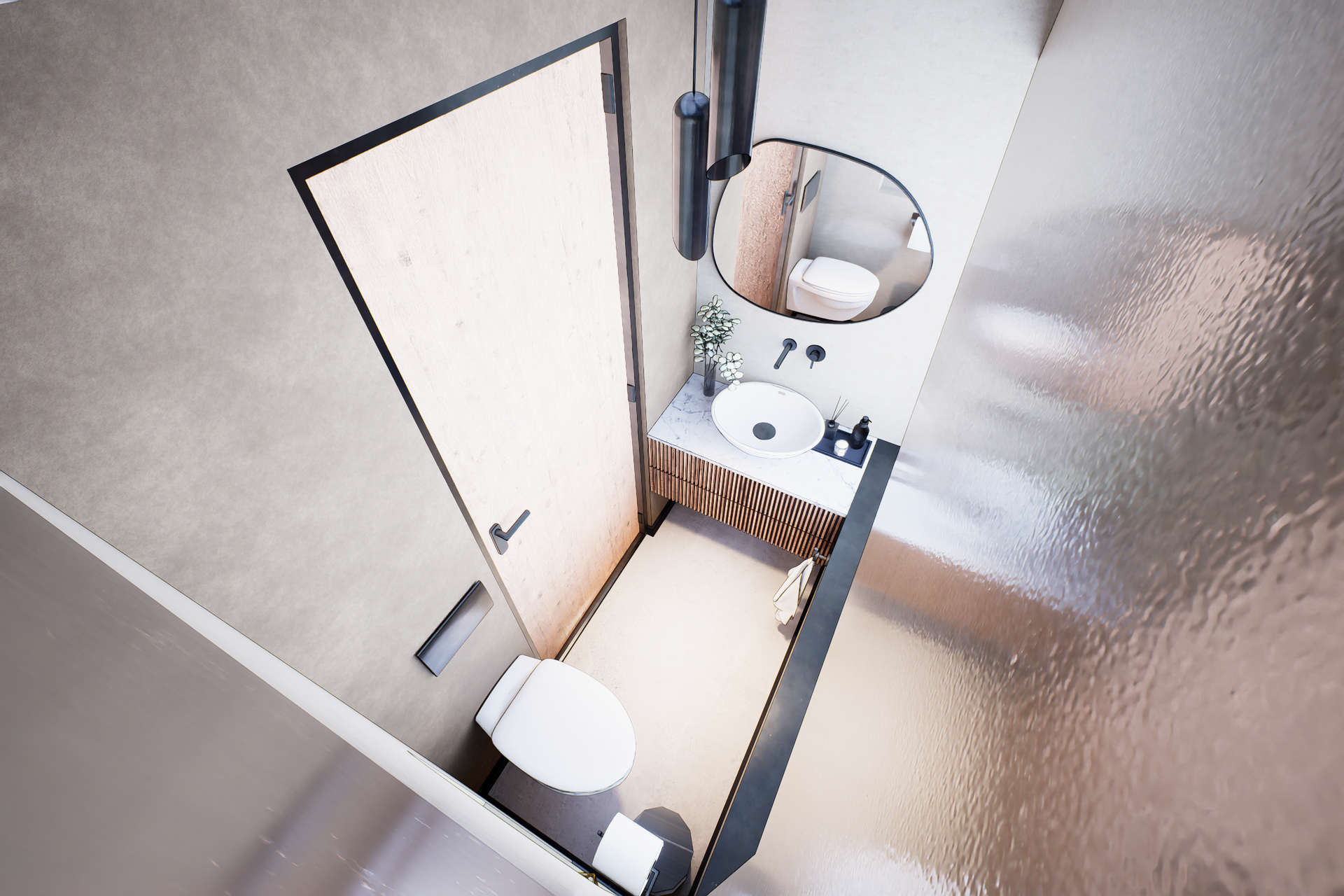
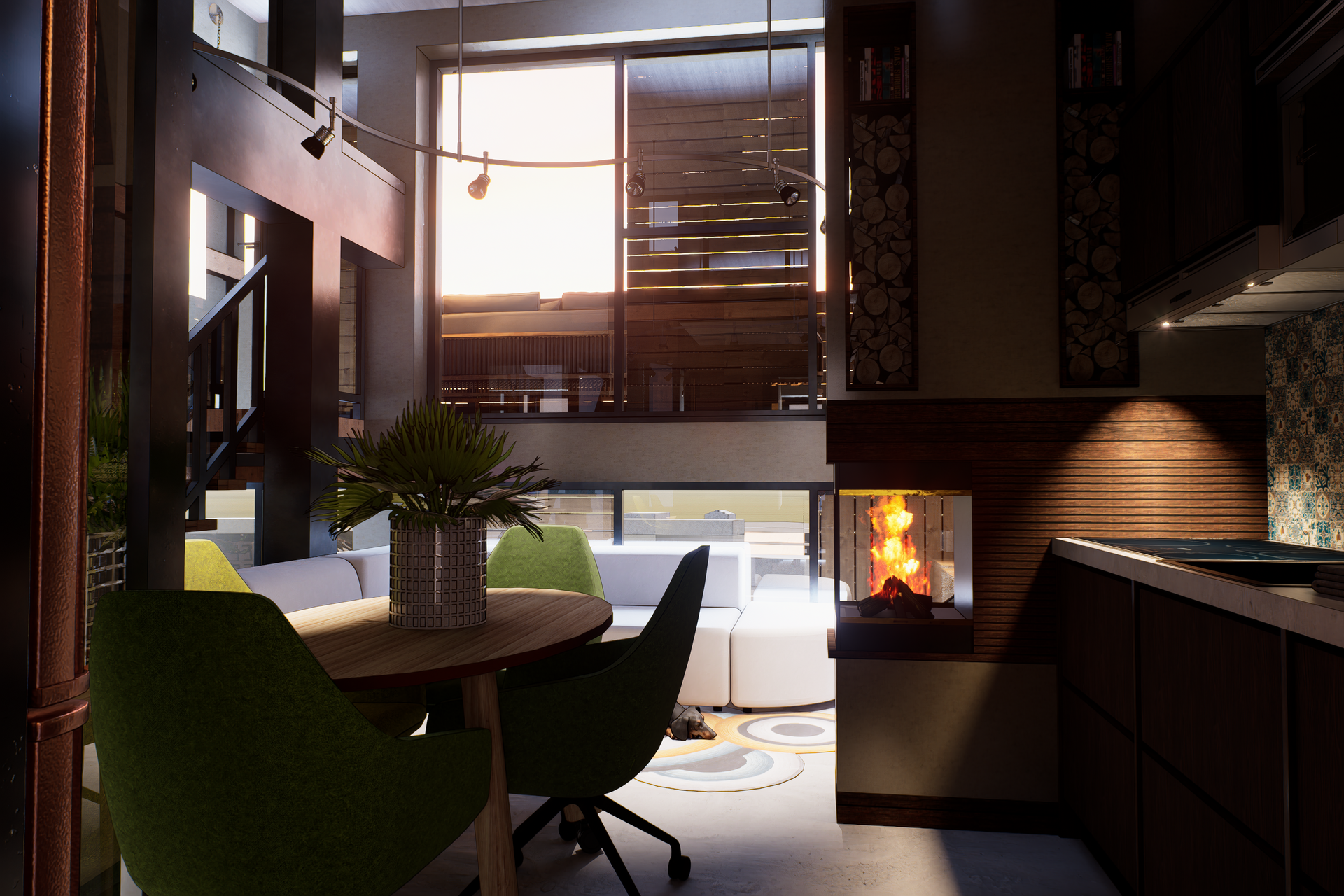
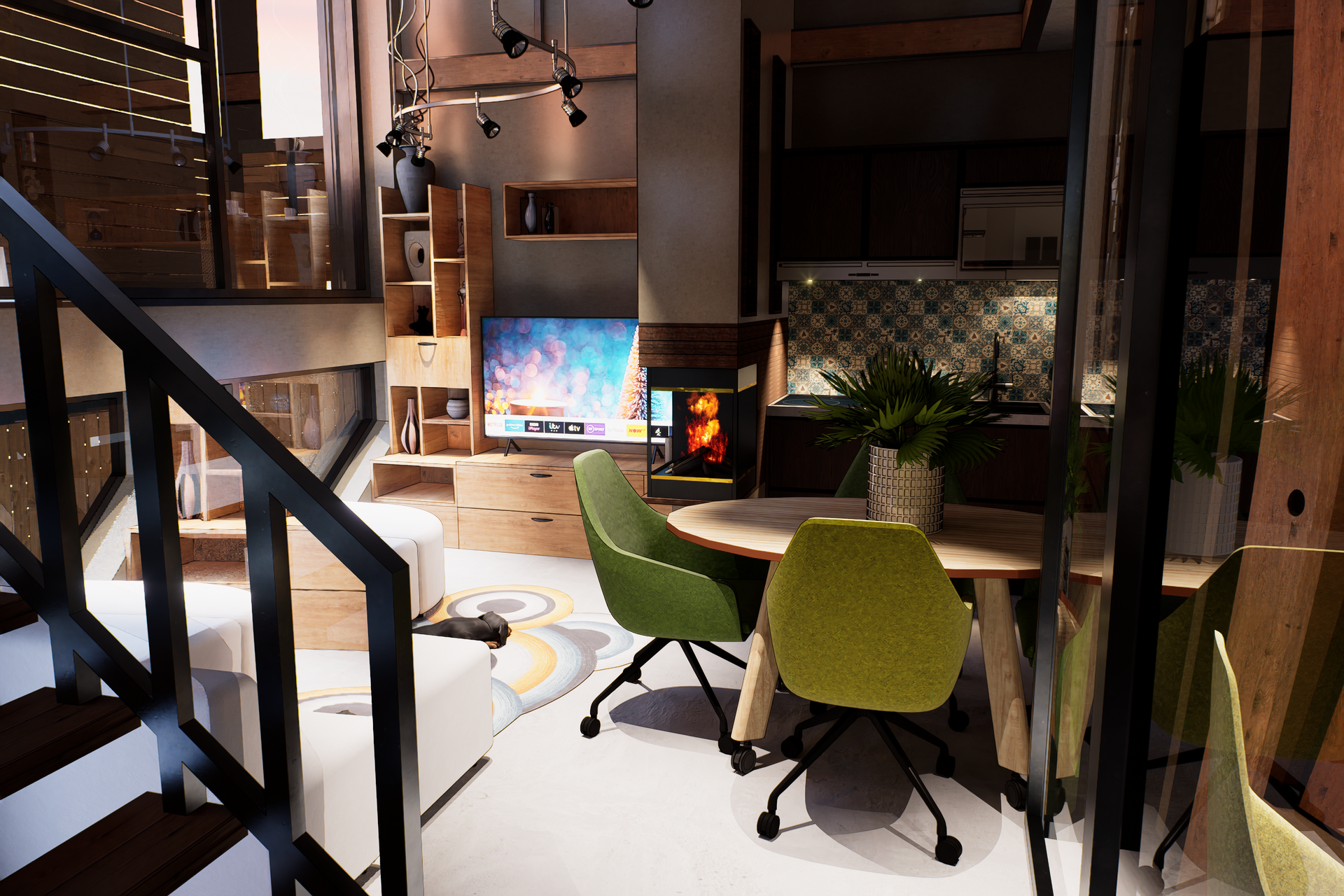
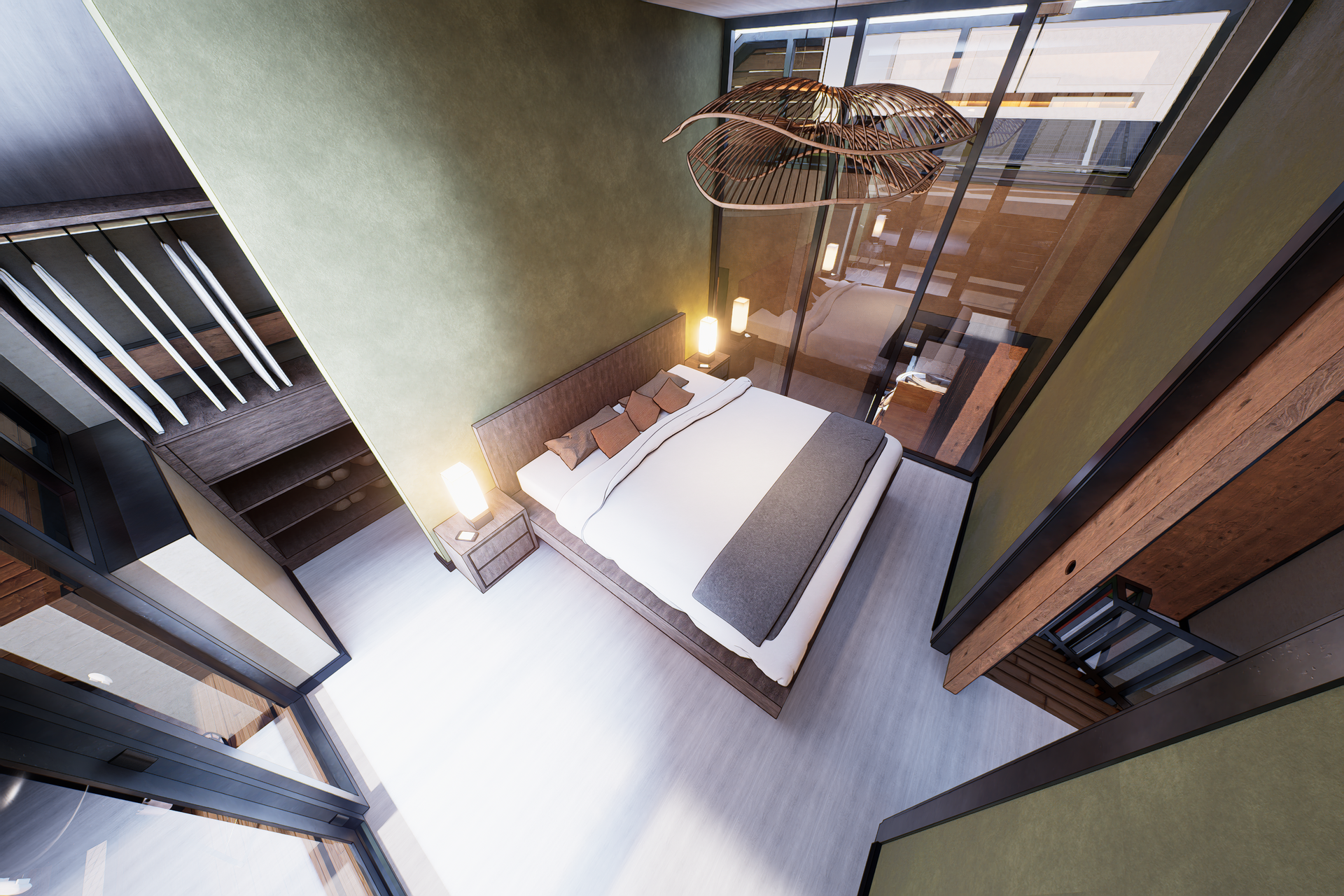
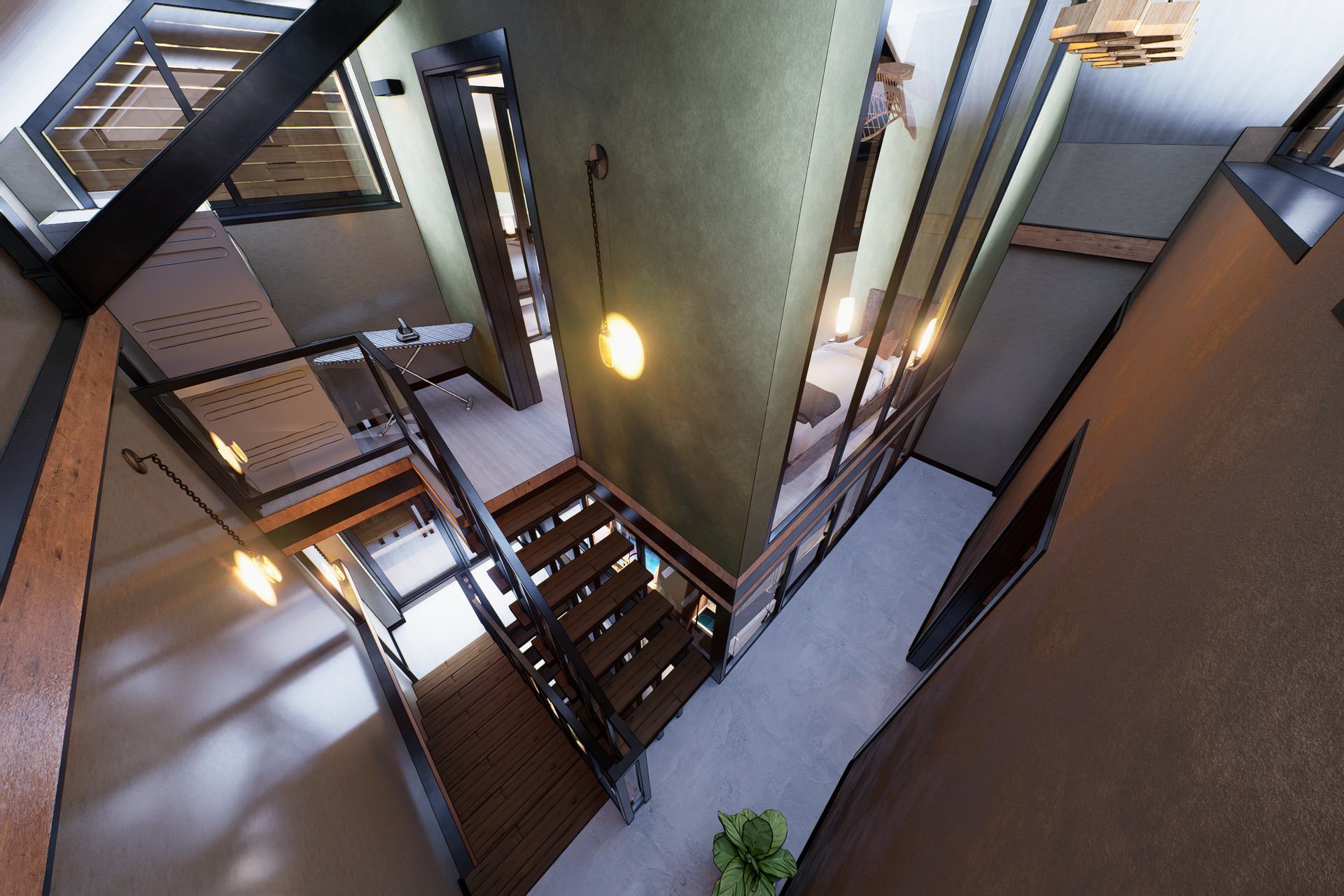
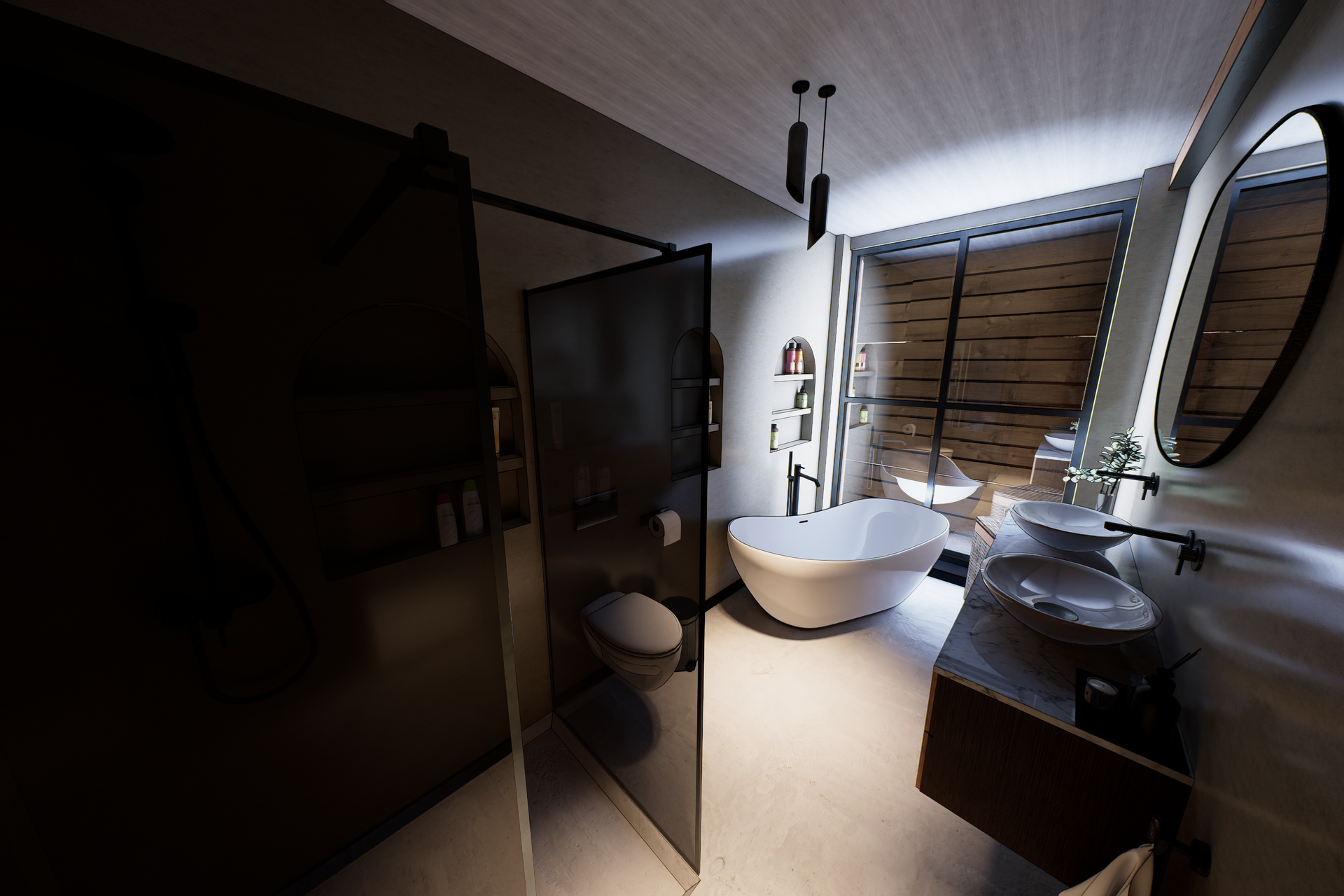
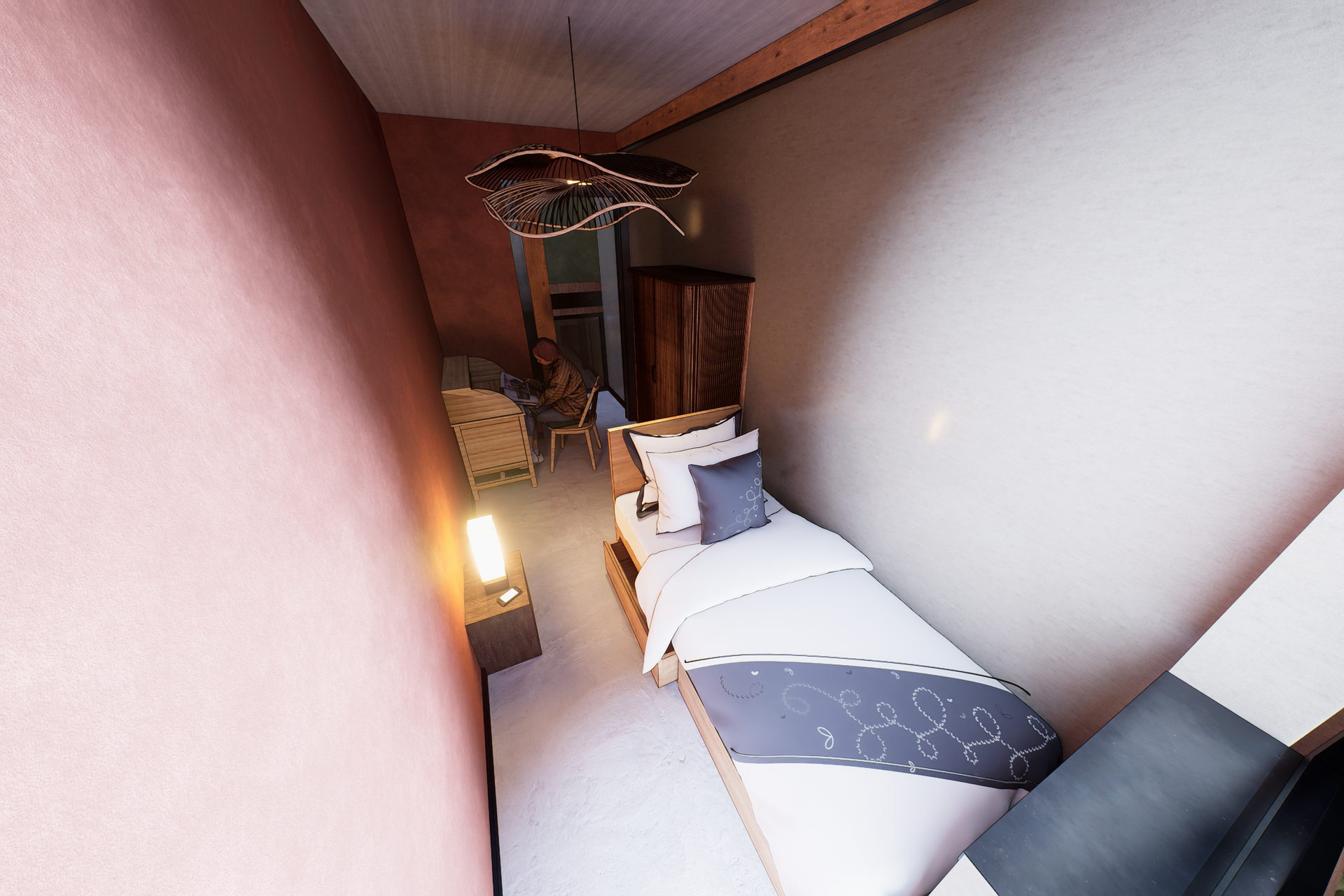
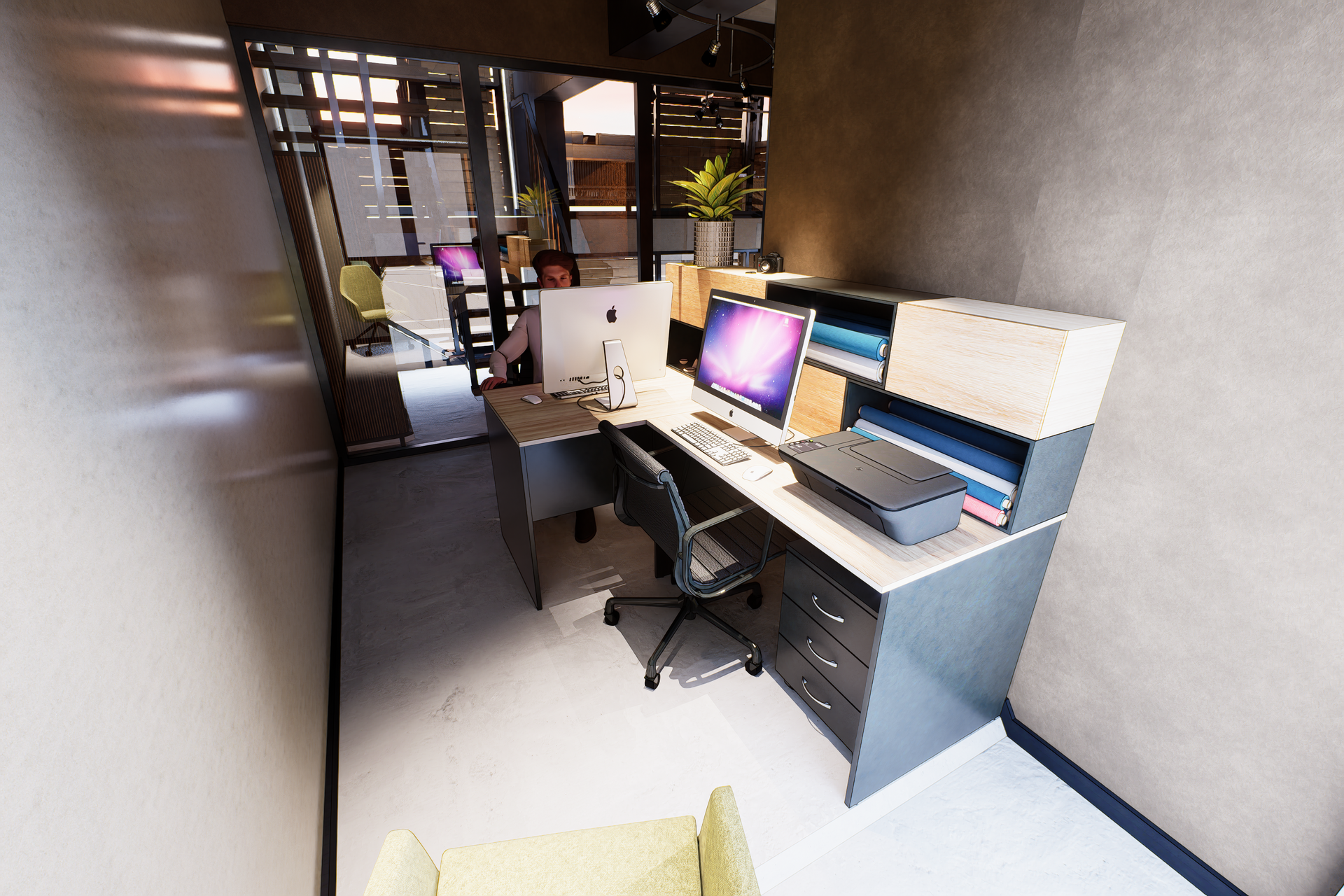
The ground floor, currently housing ArtEZ, will continue to serve as a vibrant creative hub, while the first through fourth floors will be reimagined as terraced units/apartments. The area above the ground floor includes 24 units that will be reshaped into 12 apartments, with each apartment comprising two units. Reflecting the artistic essence of the neighborhood, no visual quality guidelines will be imposed on the forthcoming development, allowing for significant freedom in the design of the facade. It is essential that the building retains a sense of internal division and that all existing units undergo transformation. This division will be established through collaborative discussions and is set to be finalized in week 38.
The municipality has given Coehoorn Centraal the chance to transform the Coehoorn area along with the Oude Kraan area into a creatively reimagined neighborhood. In Coehoorn, innovative insights are being uncovered regarding new approaches to revitalizing neighborhoods within urban settings. While occupying vacant buildings is a secondary aim, the core focus is on rejuvenating the neighborhood’s vitality. Coehoorn illustrates how a community where diverse urban functions strengthen one another fosters a more appealing urban landscape. In a lively neighborhood, living, working, and entertainment converge seamlessly.
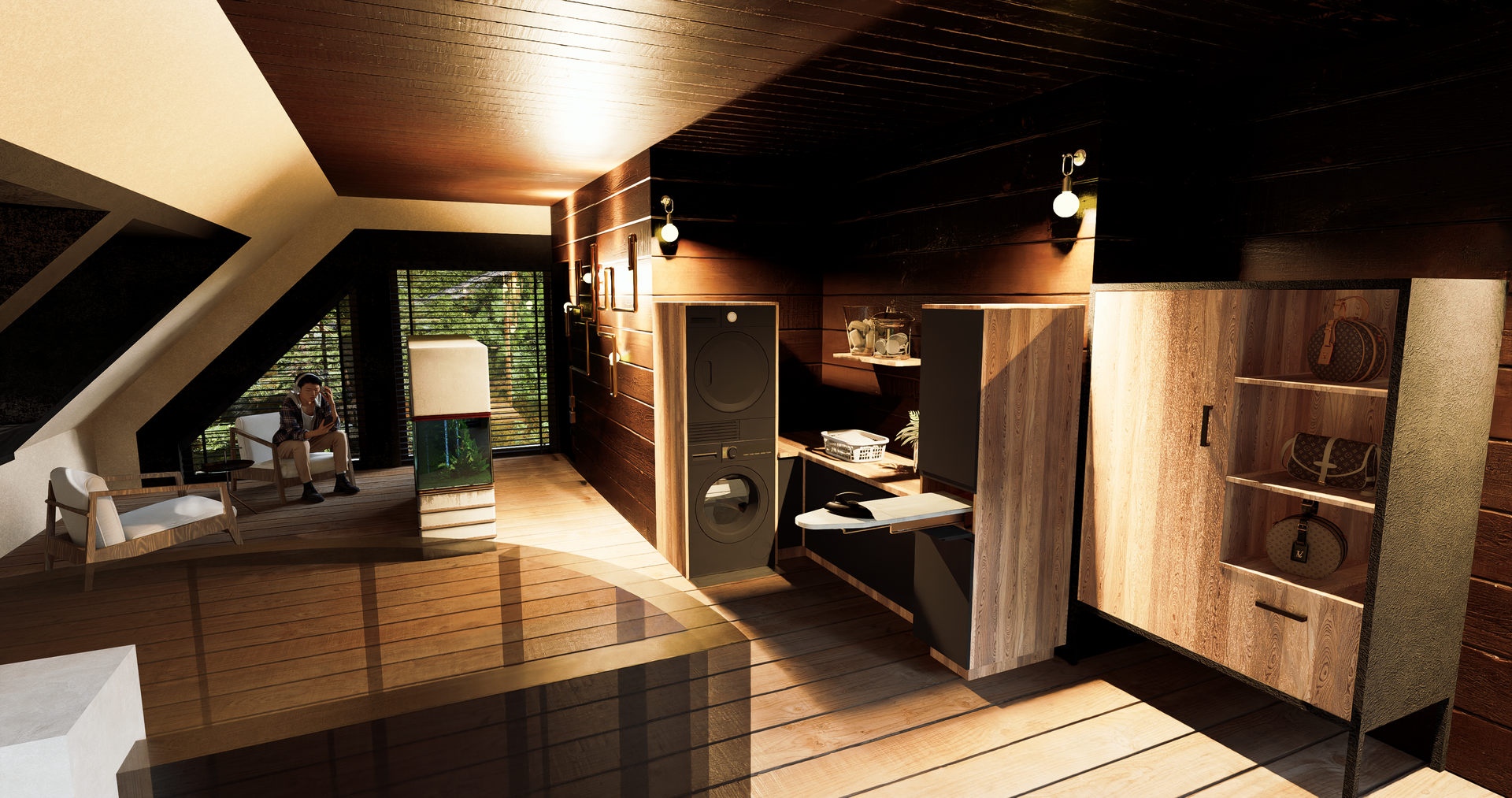
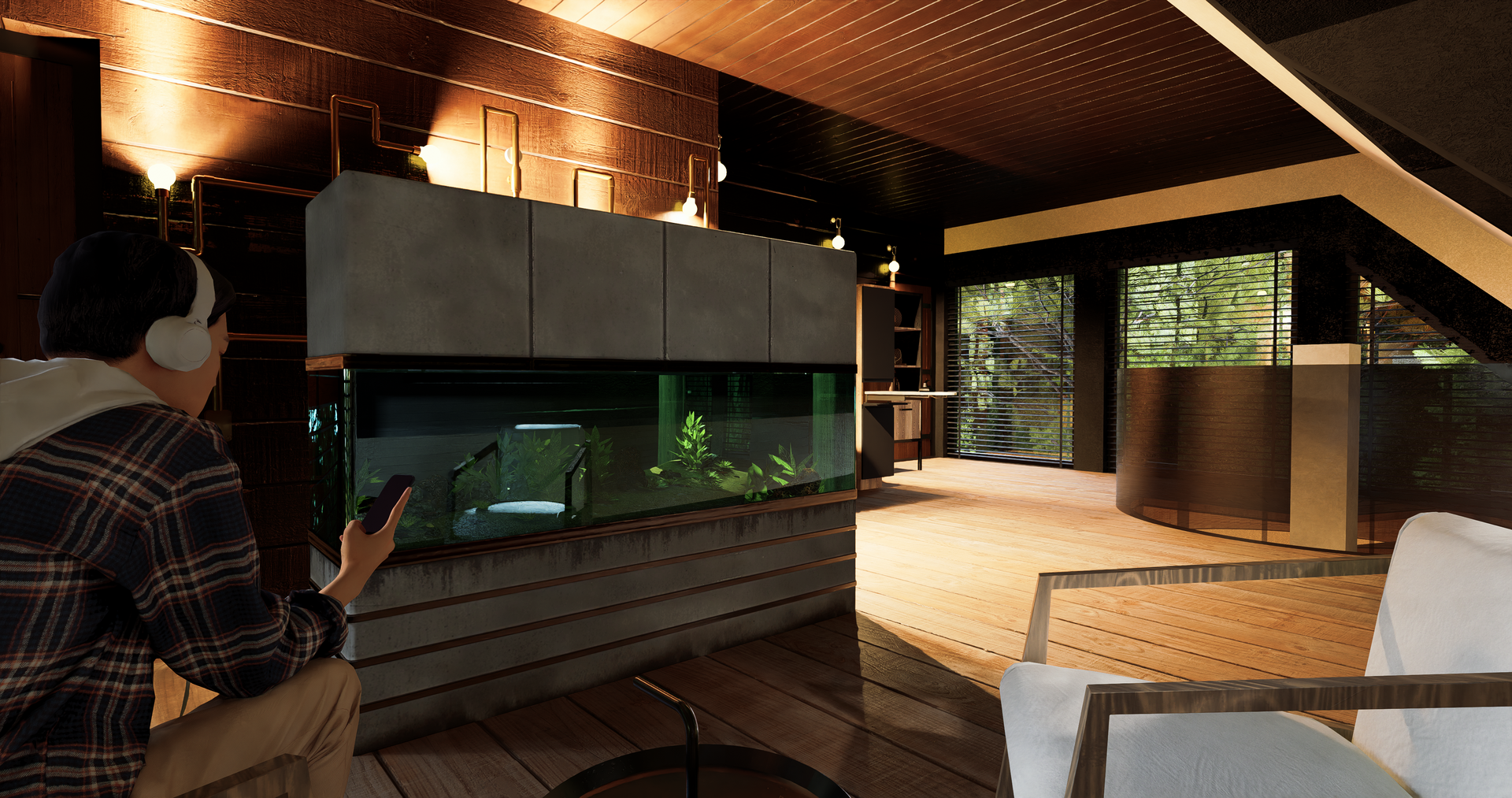
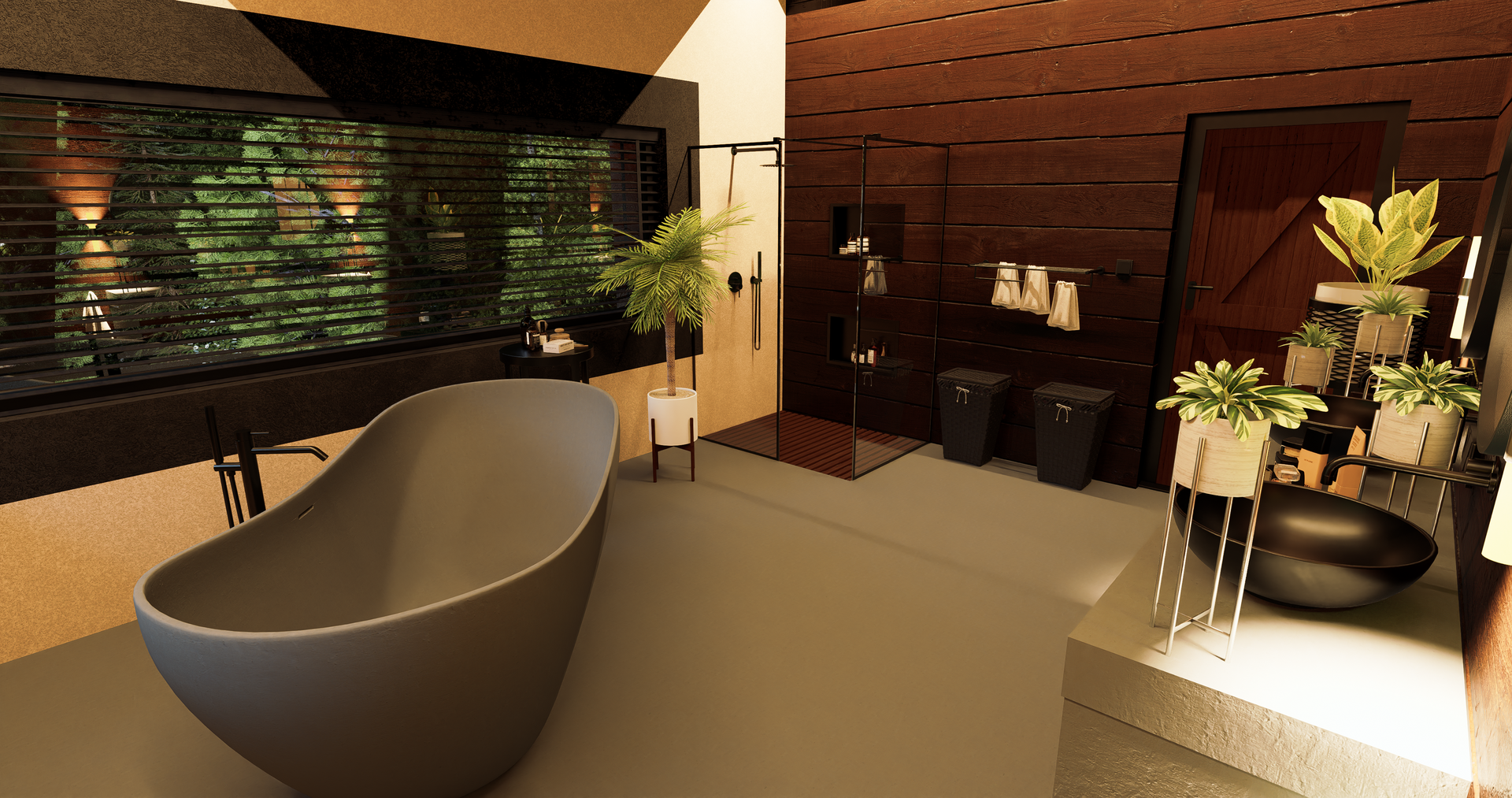
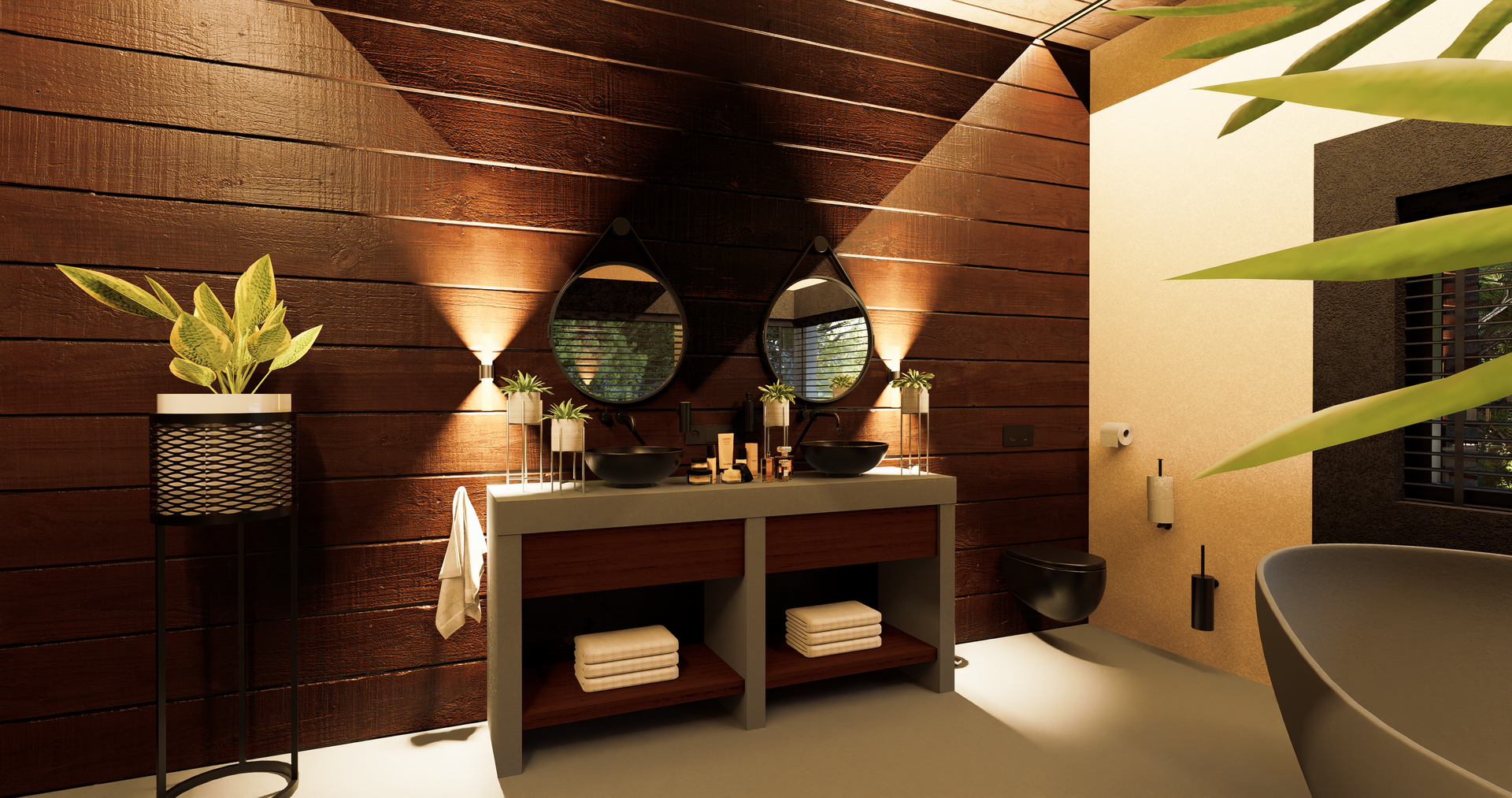
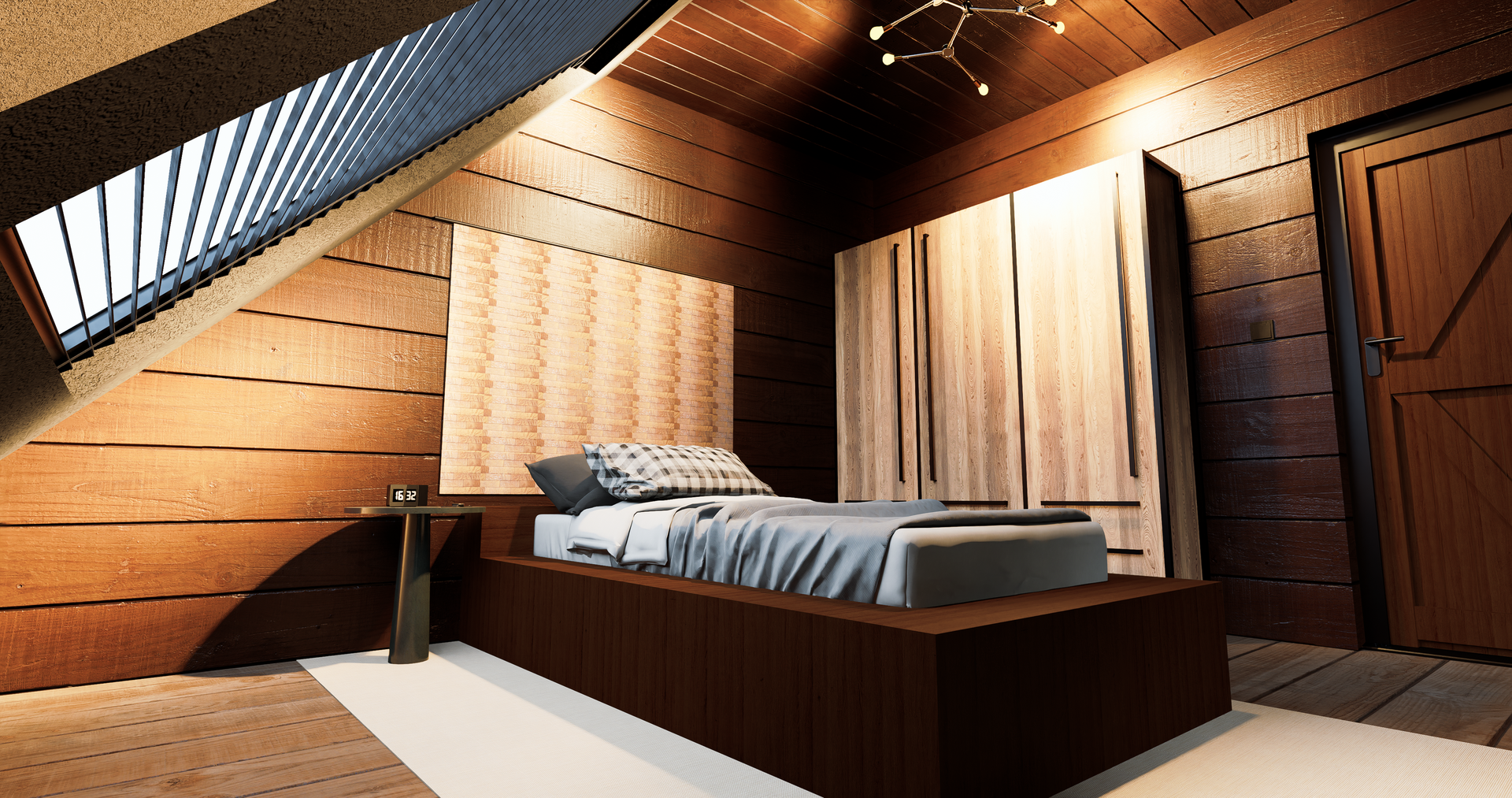
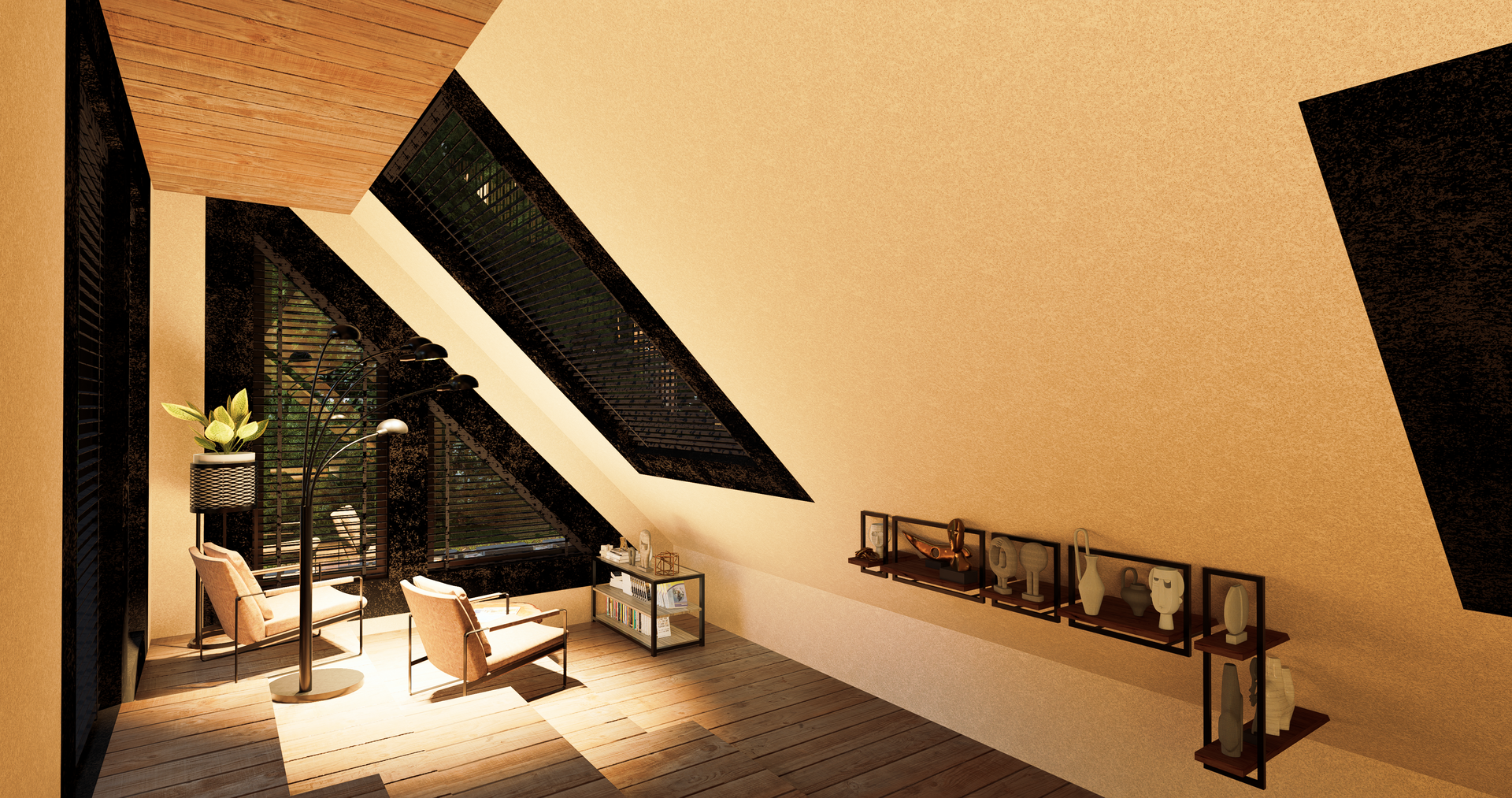
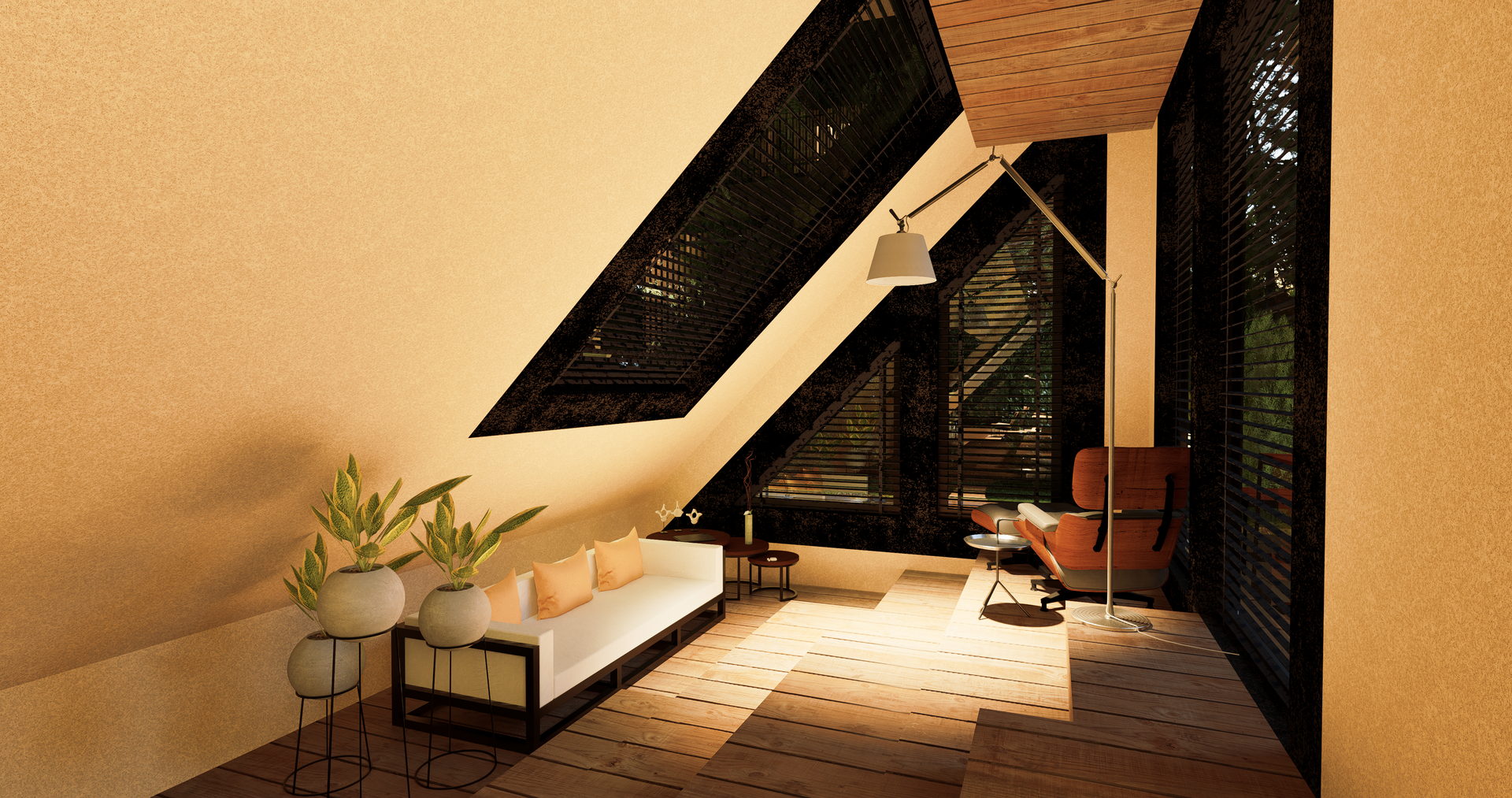
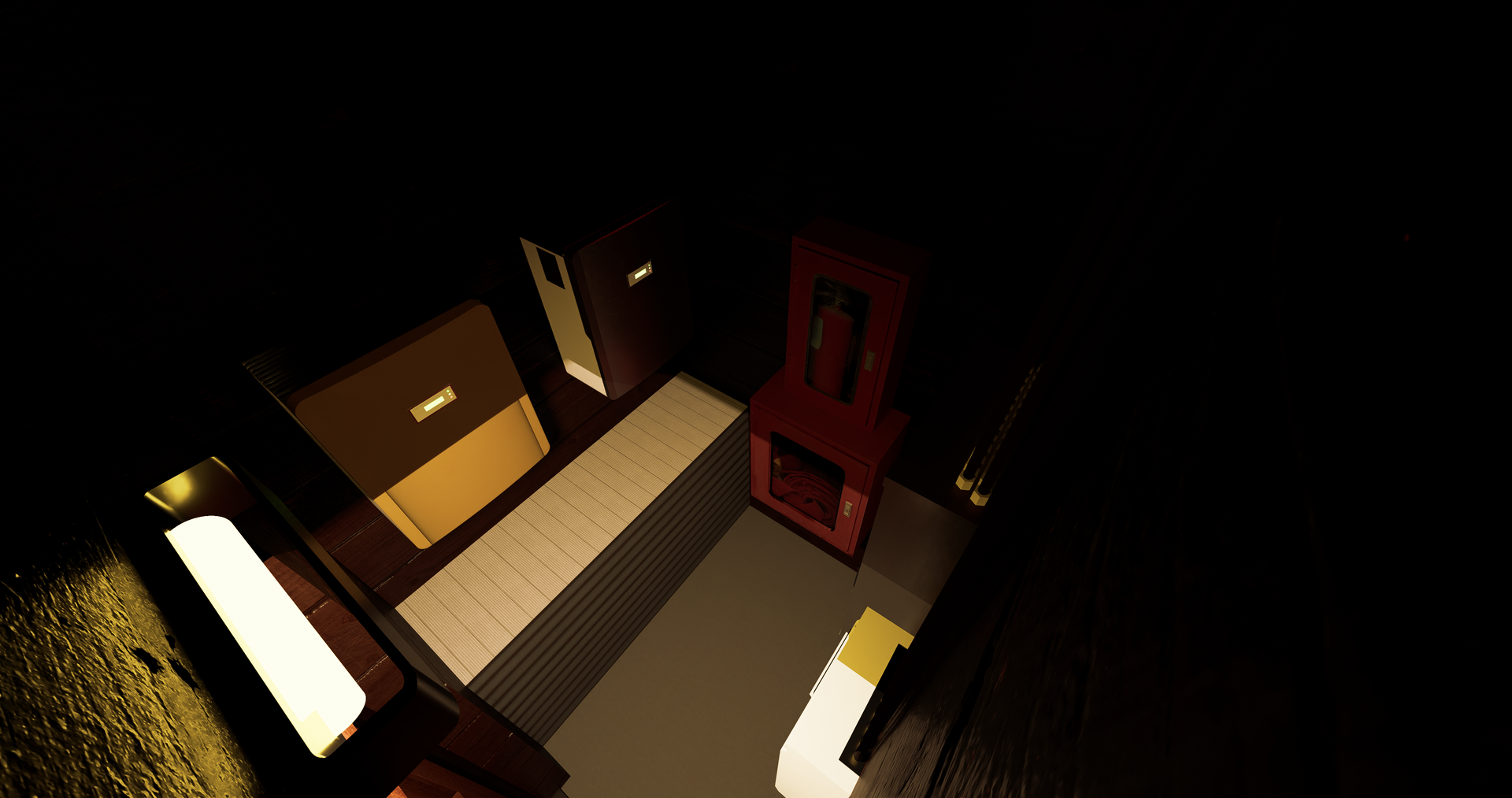
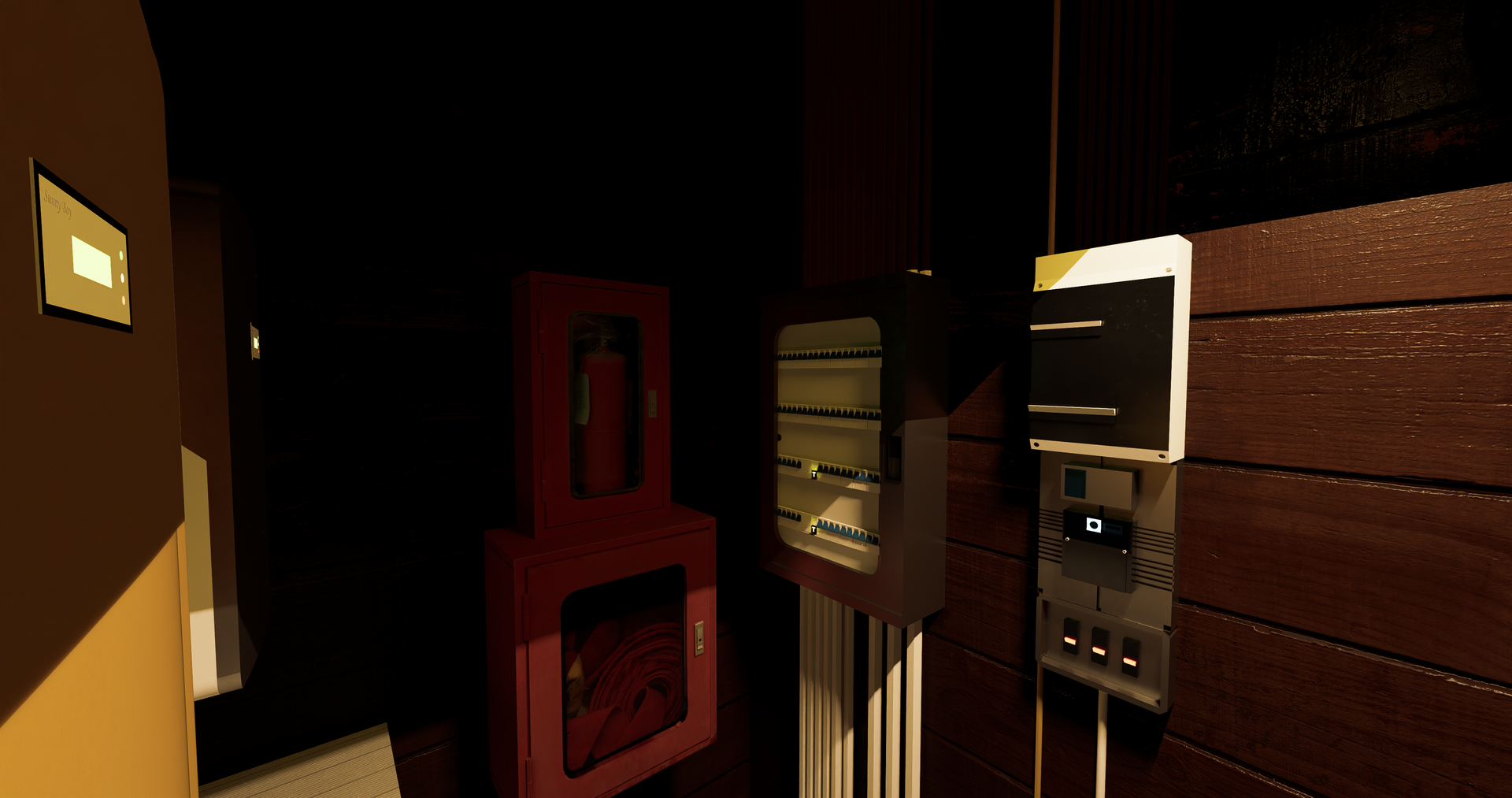
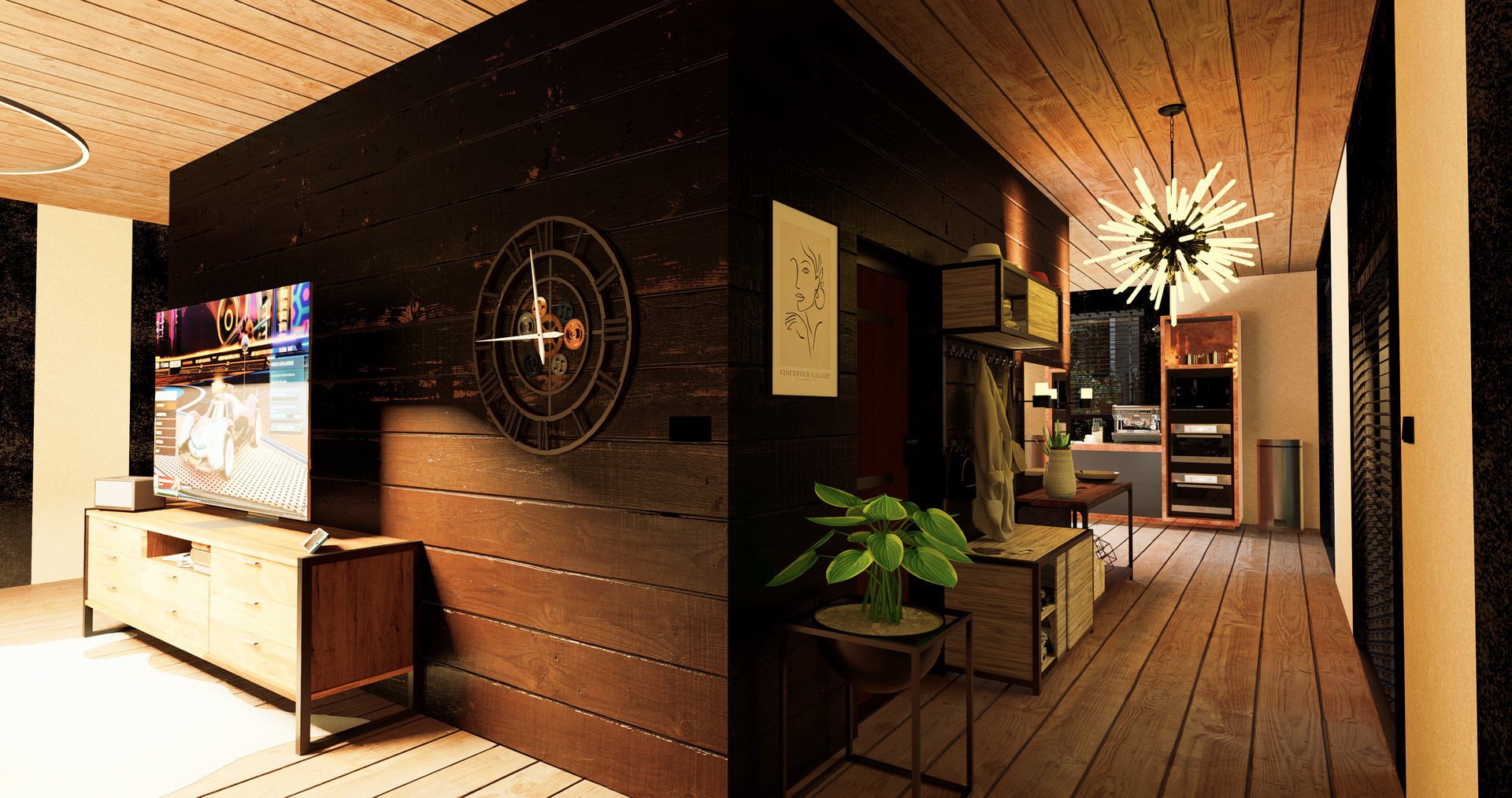
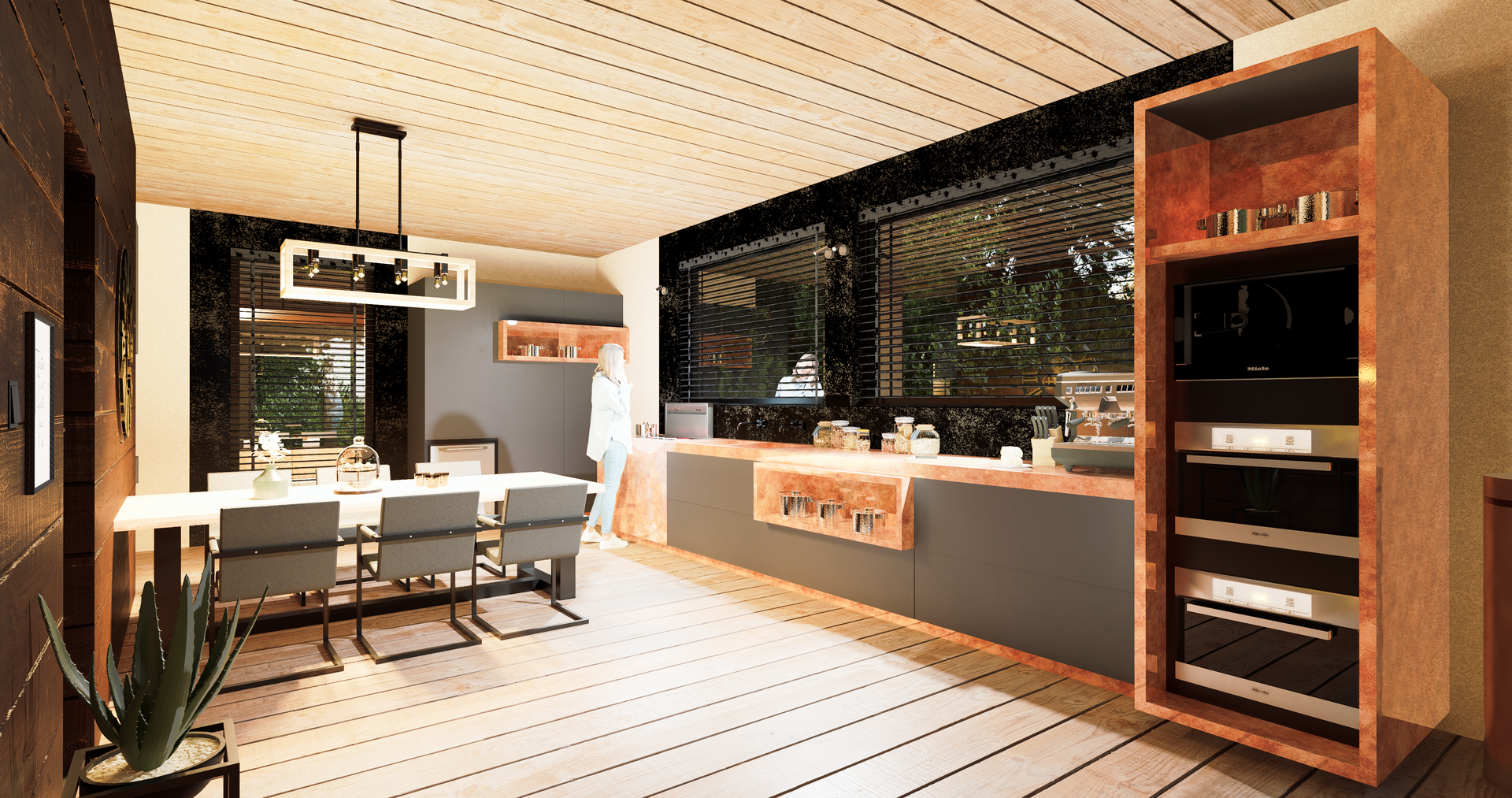
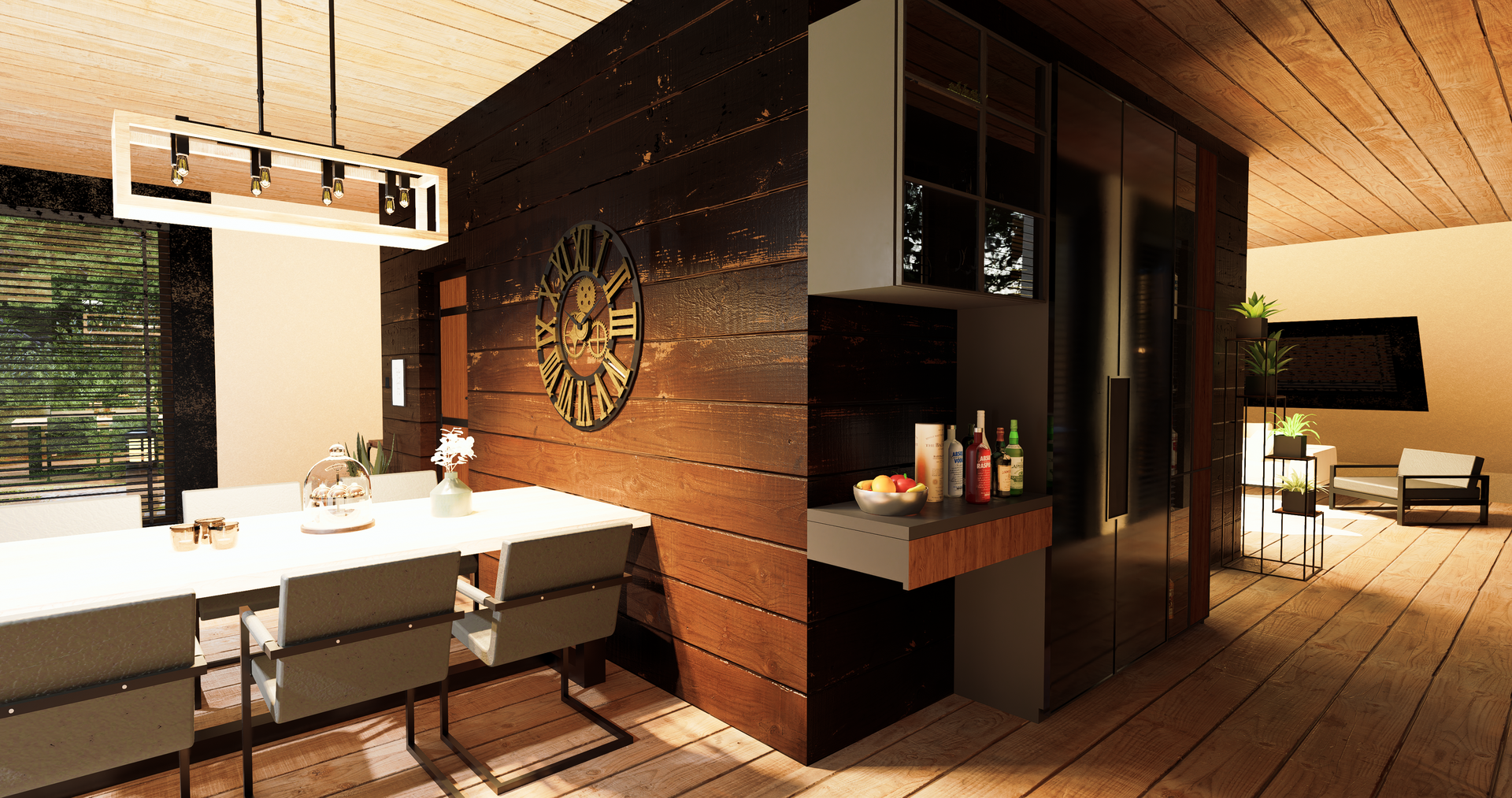
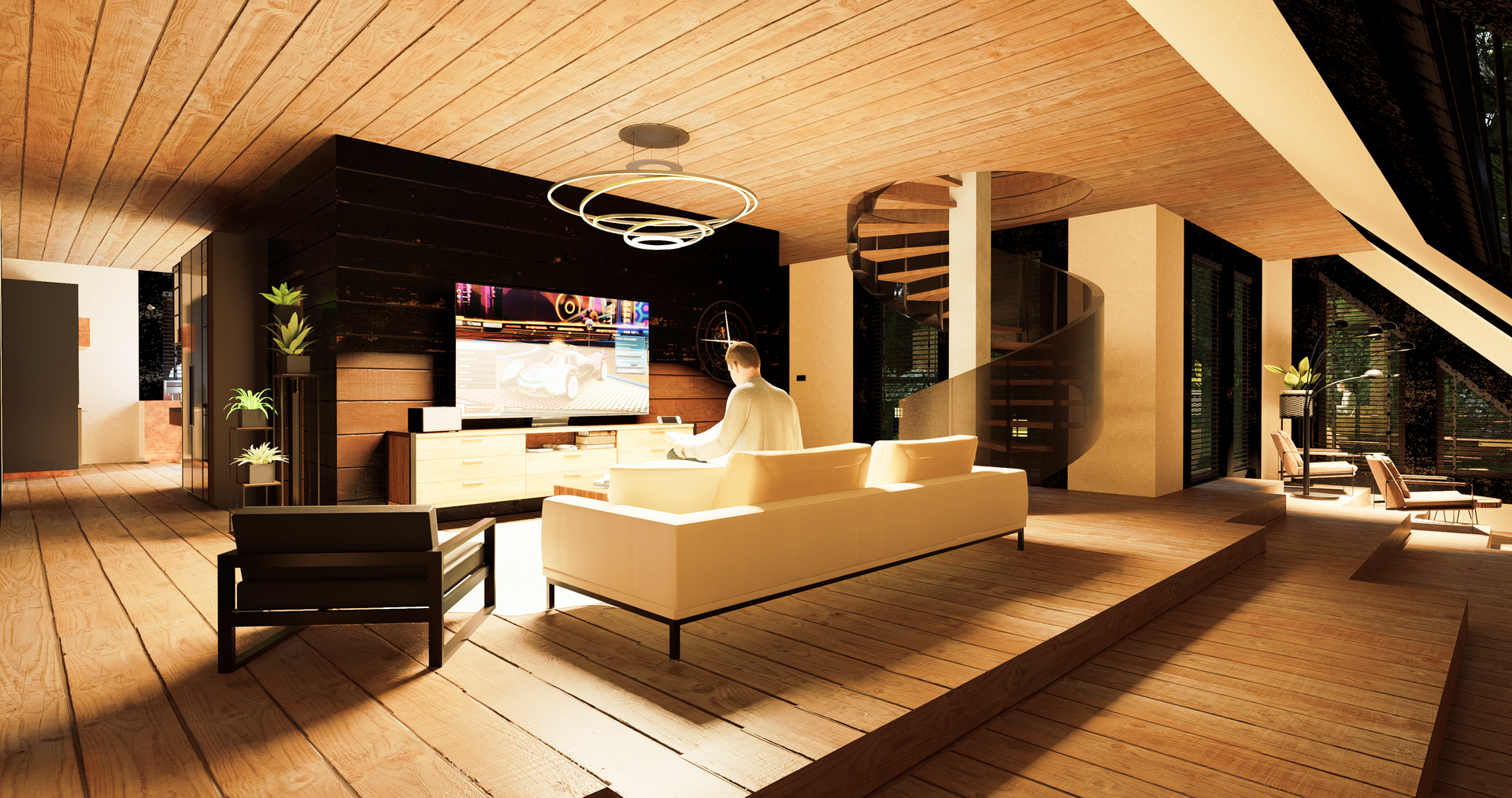
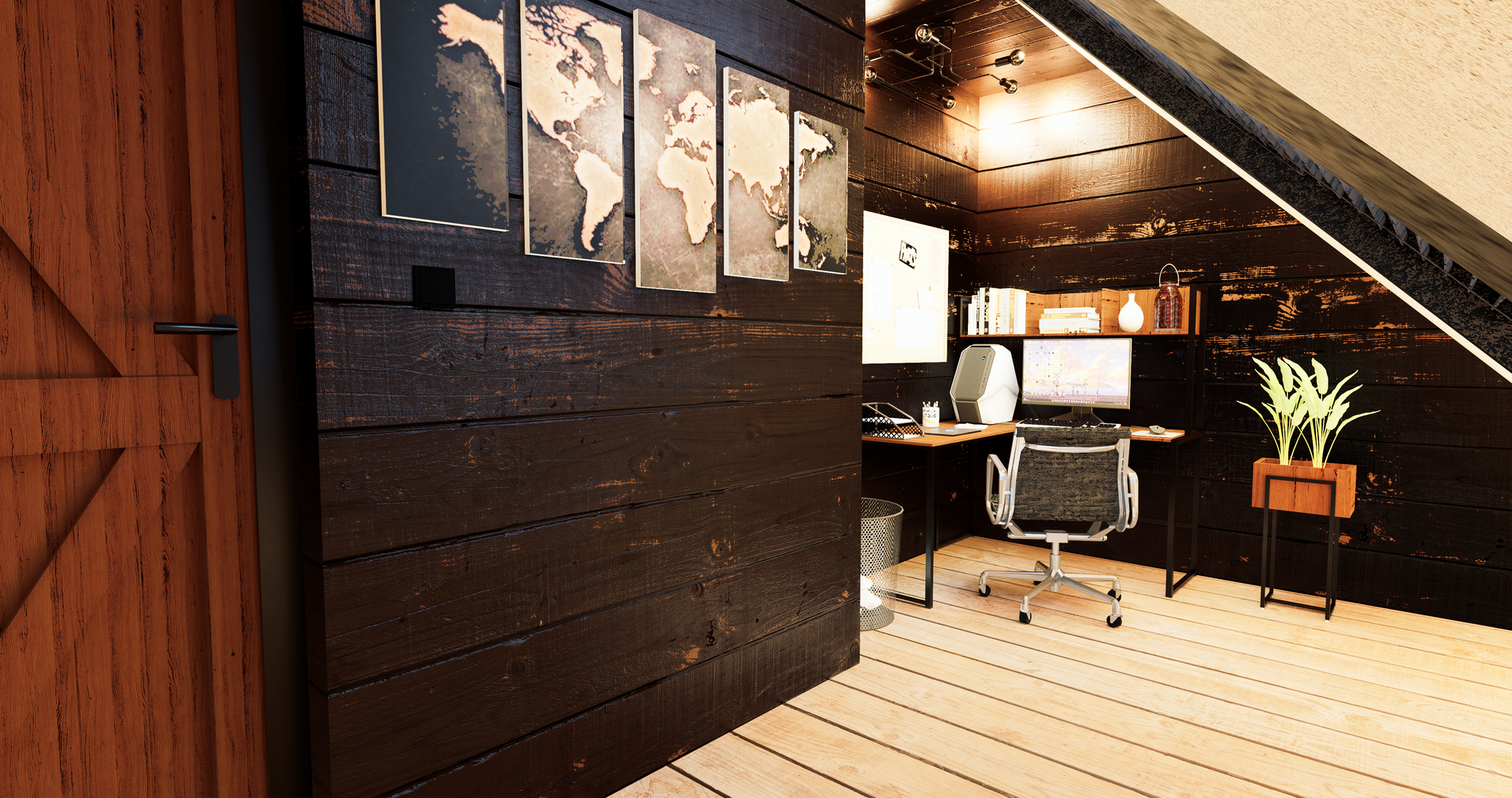
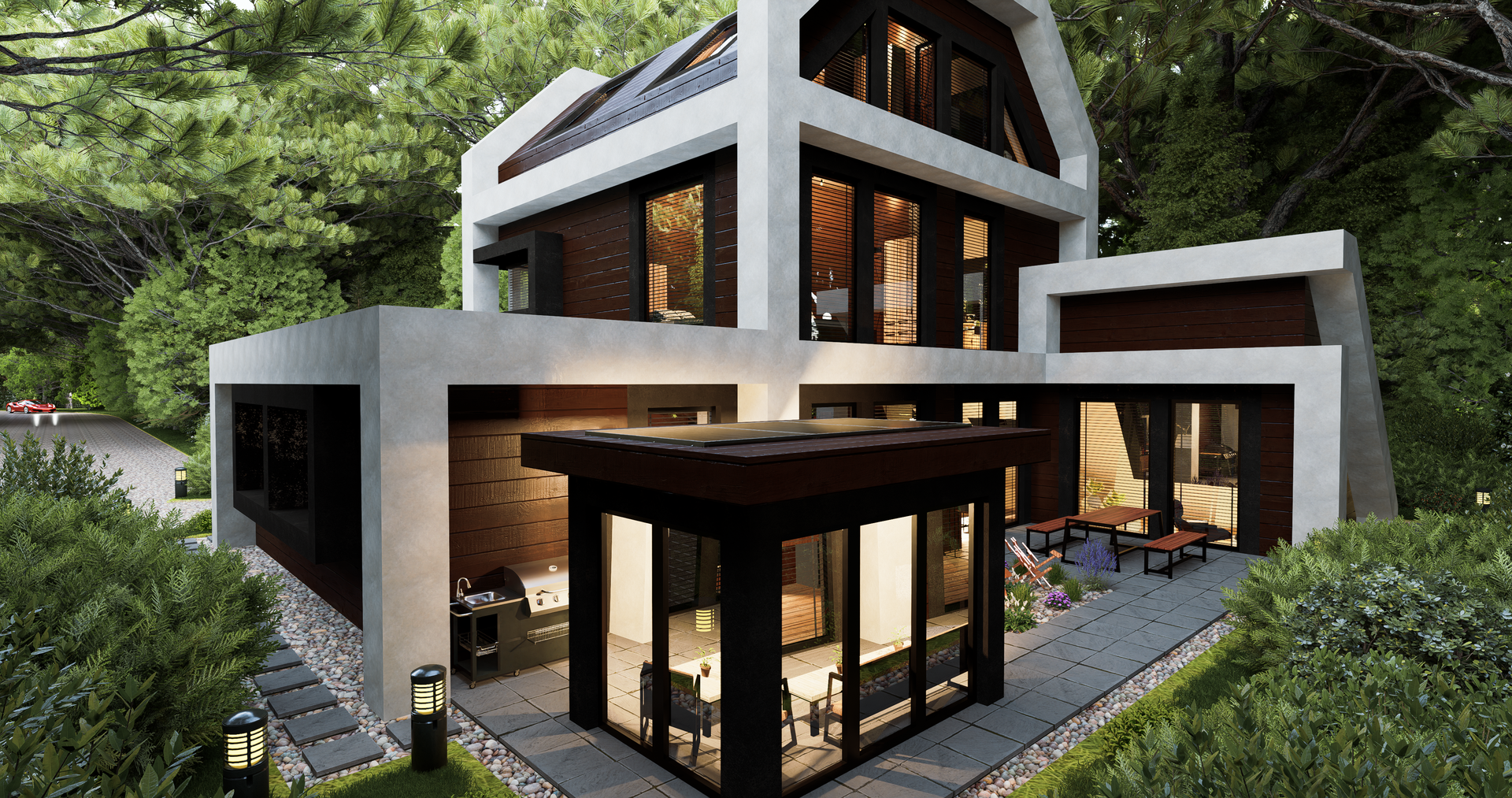
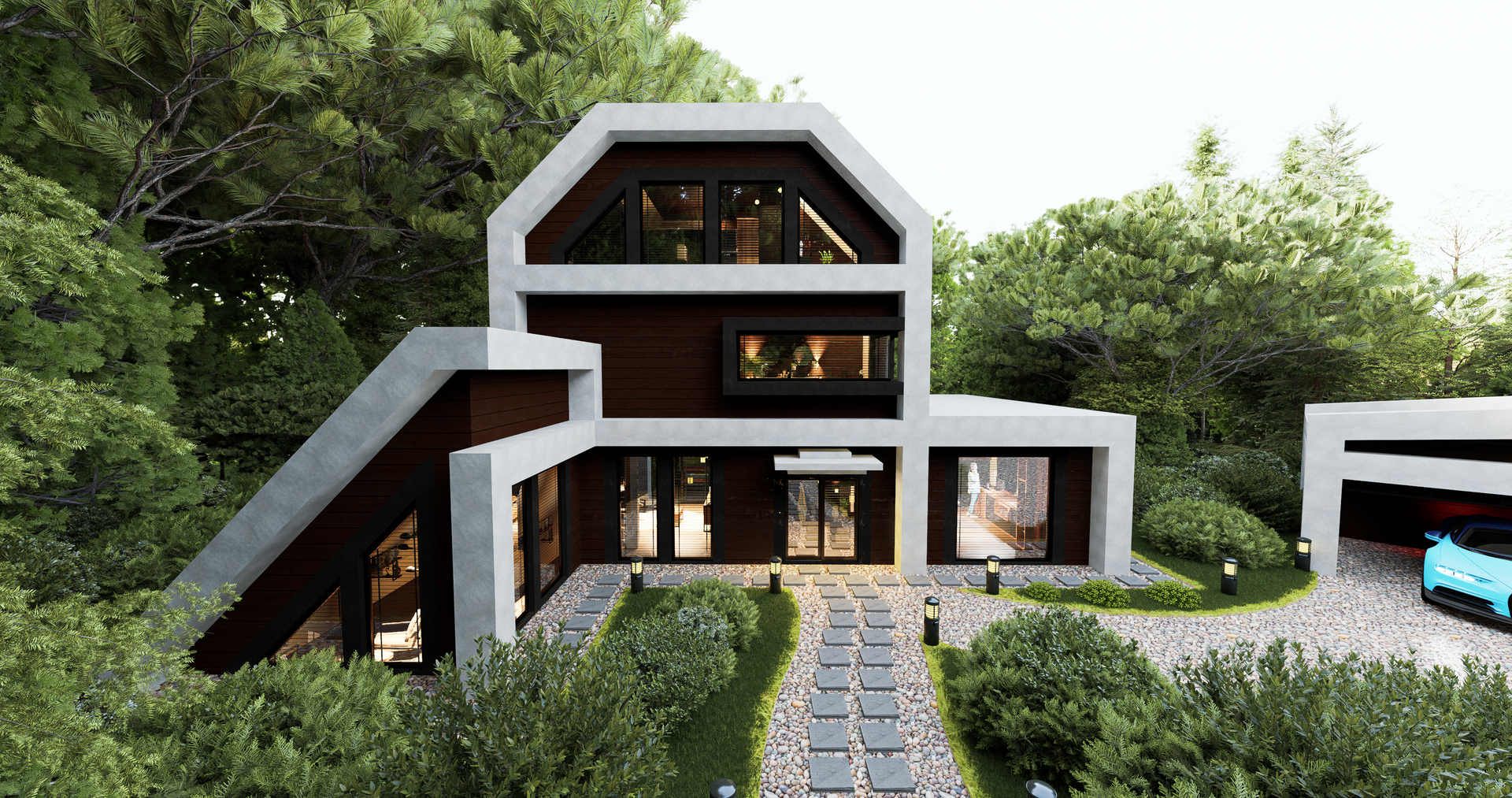
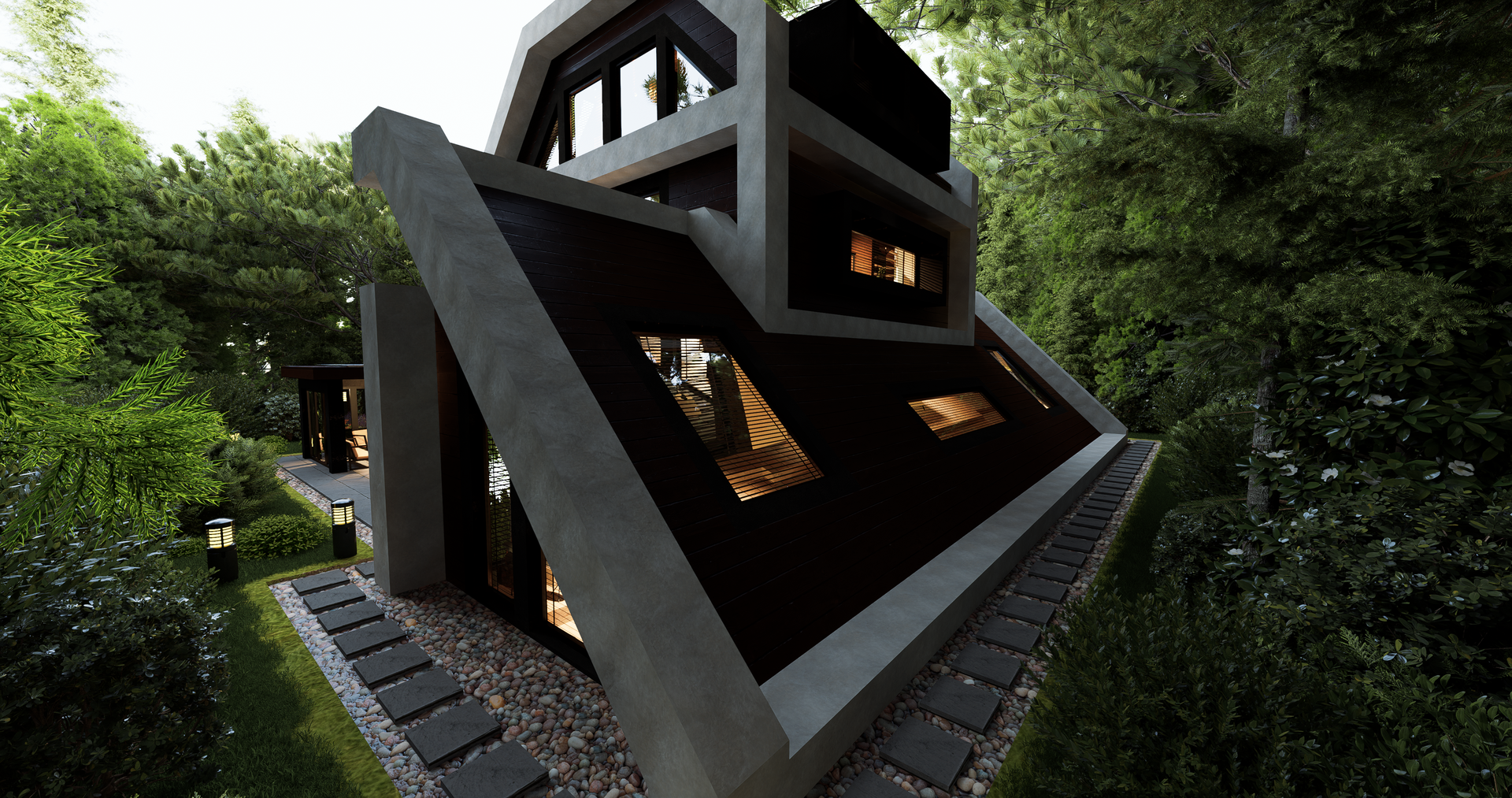
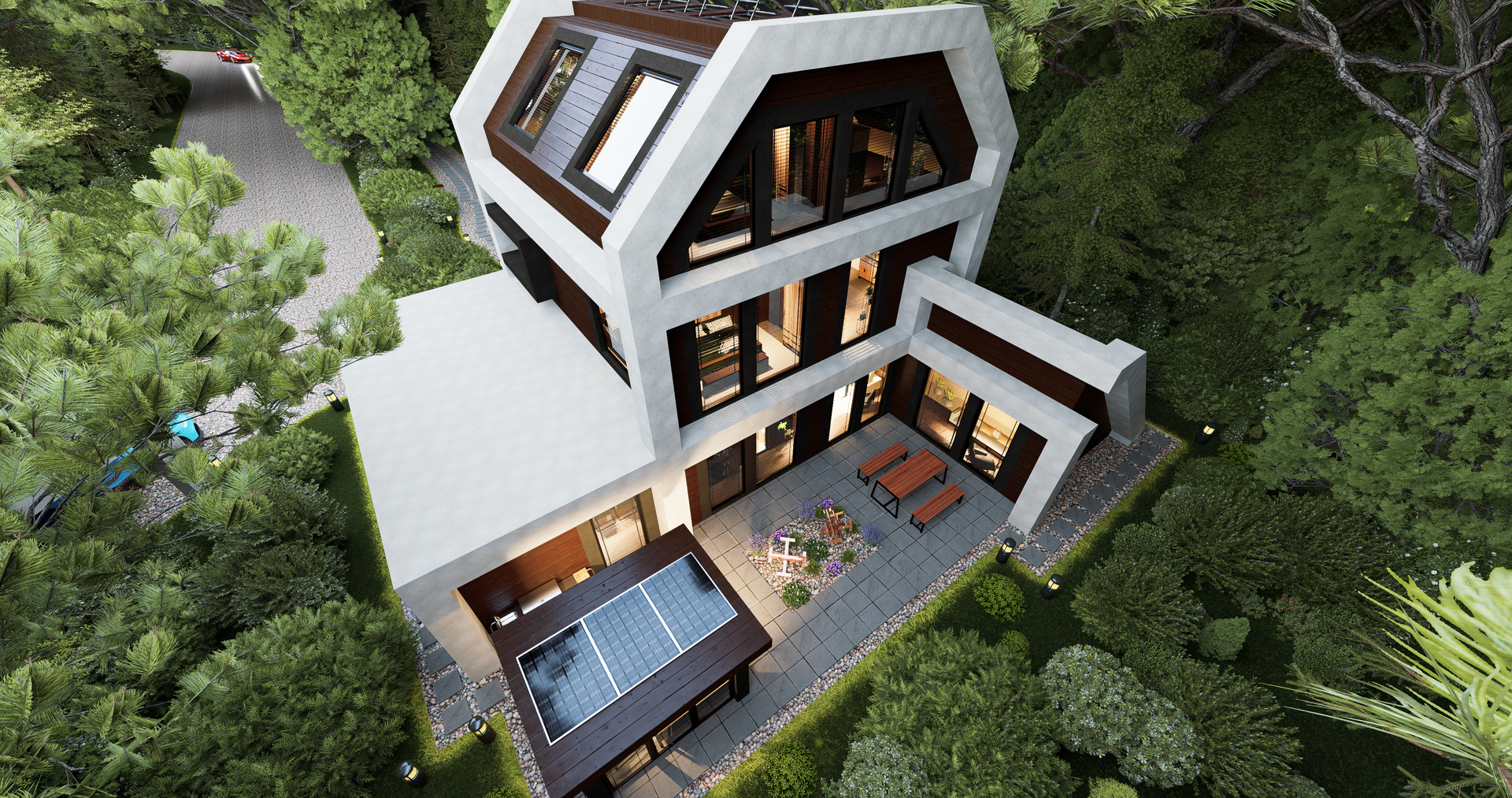
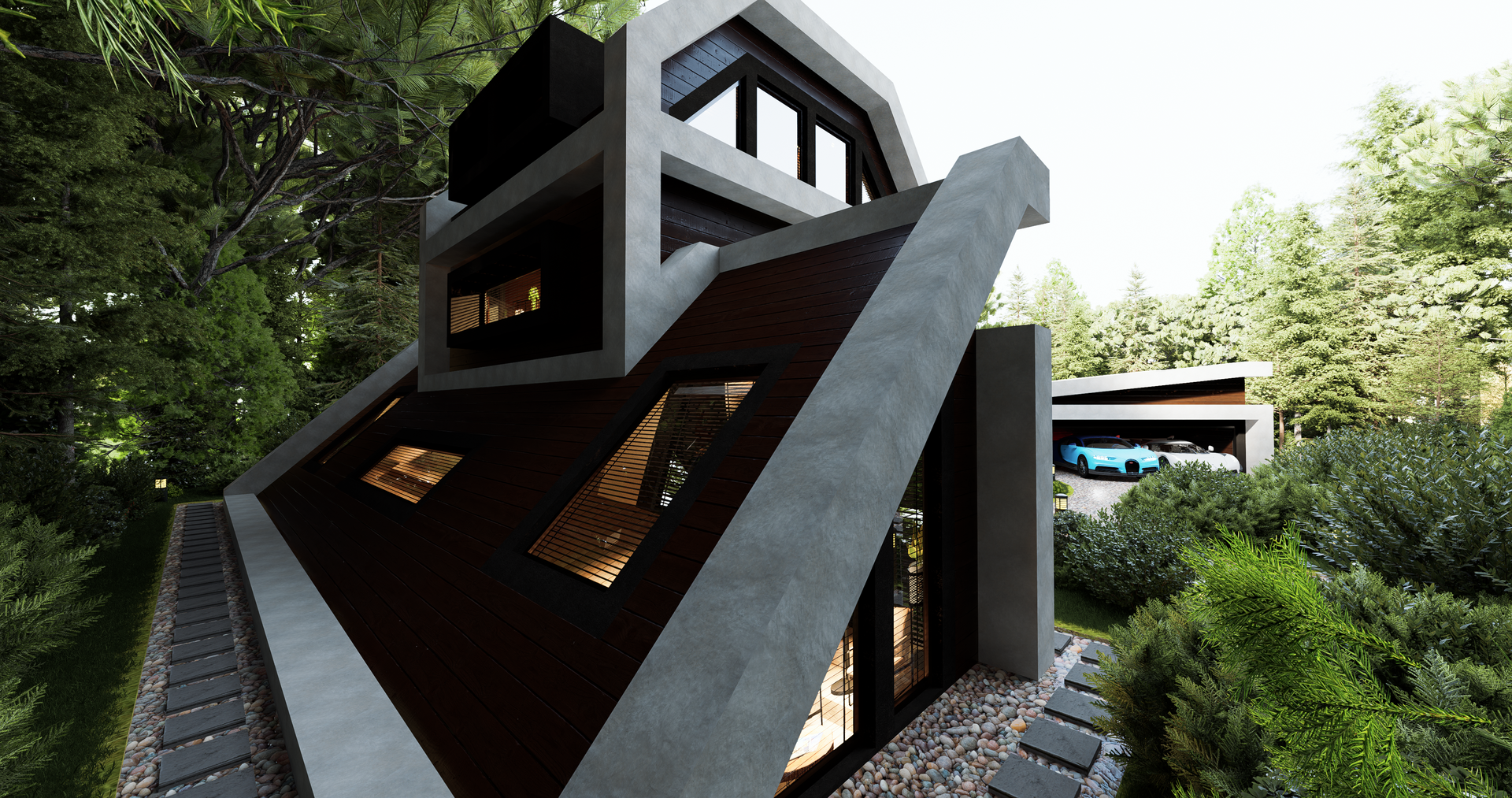
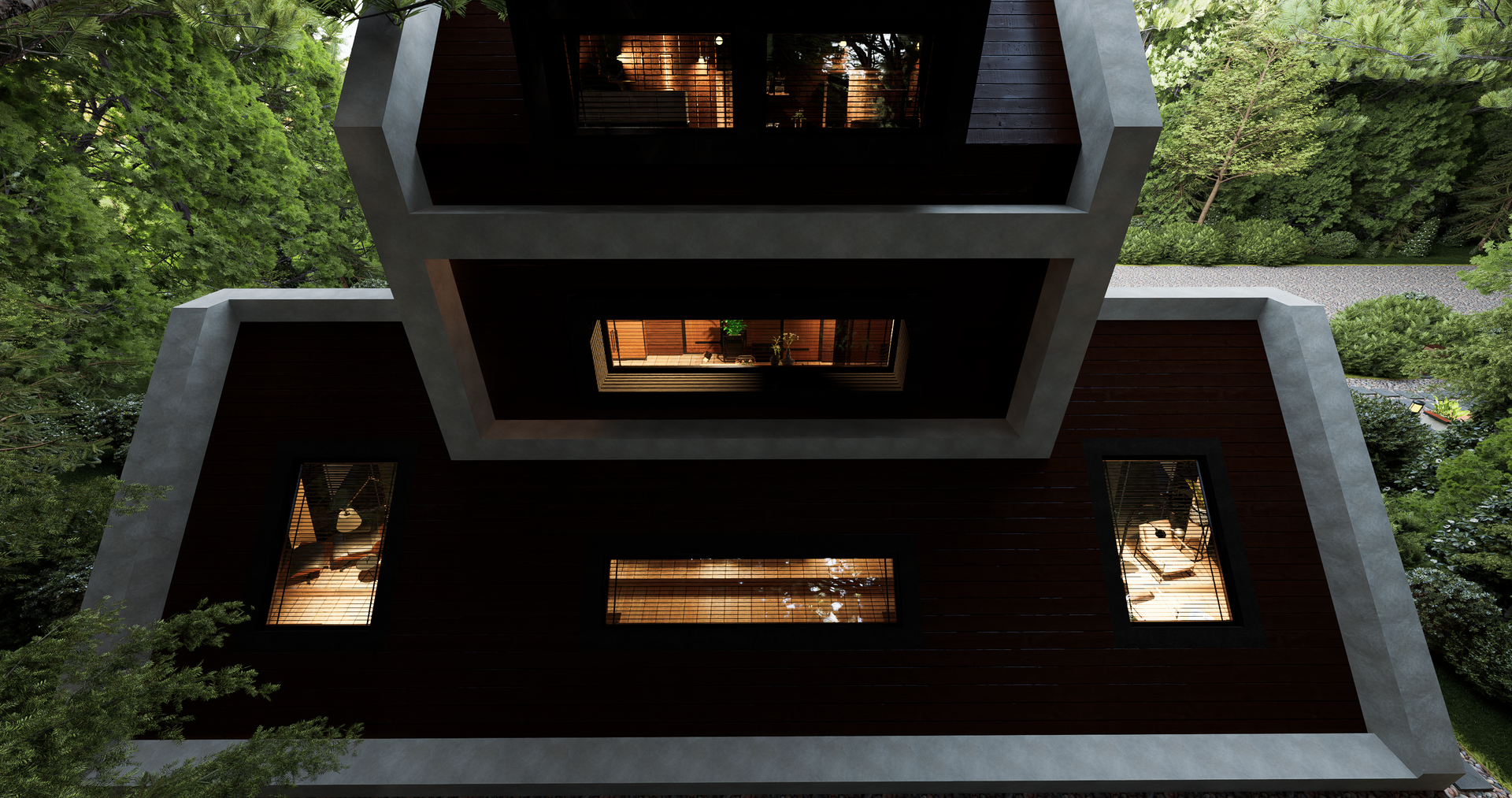
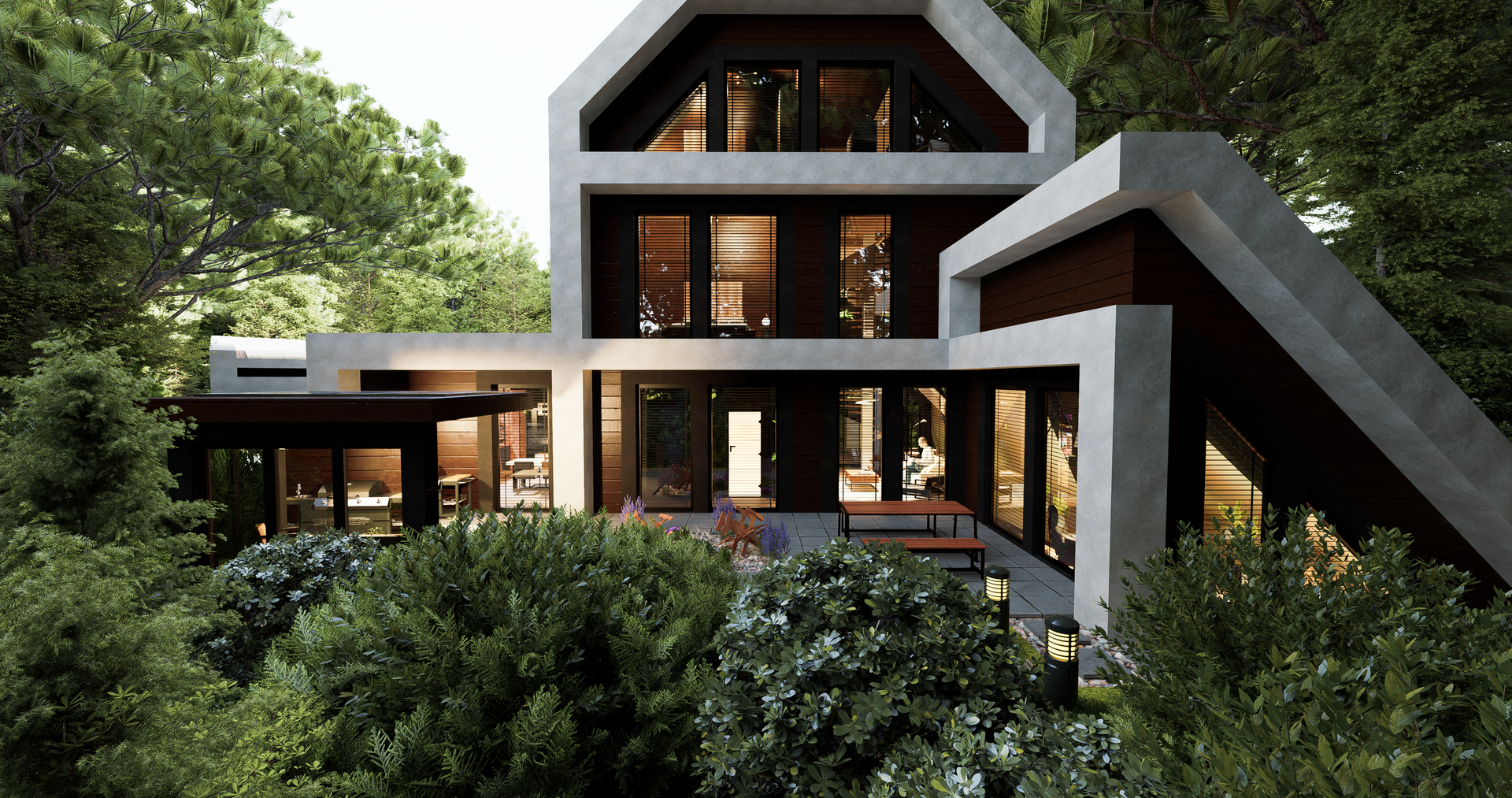
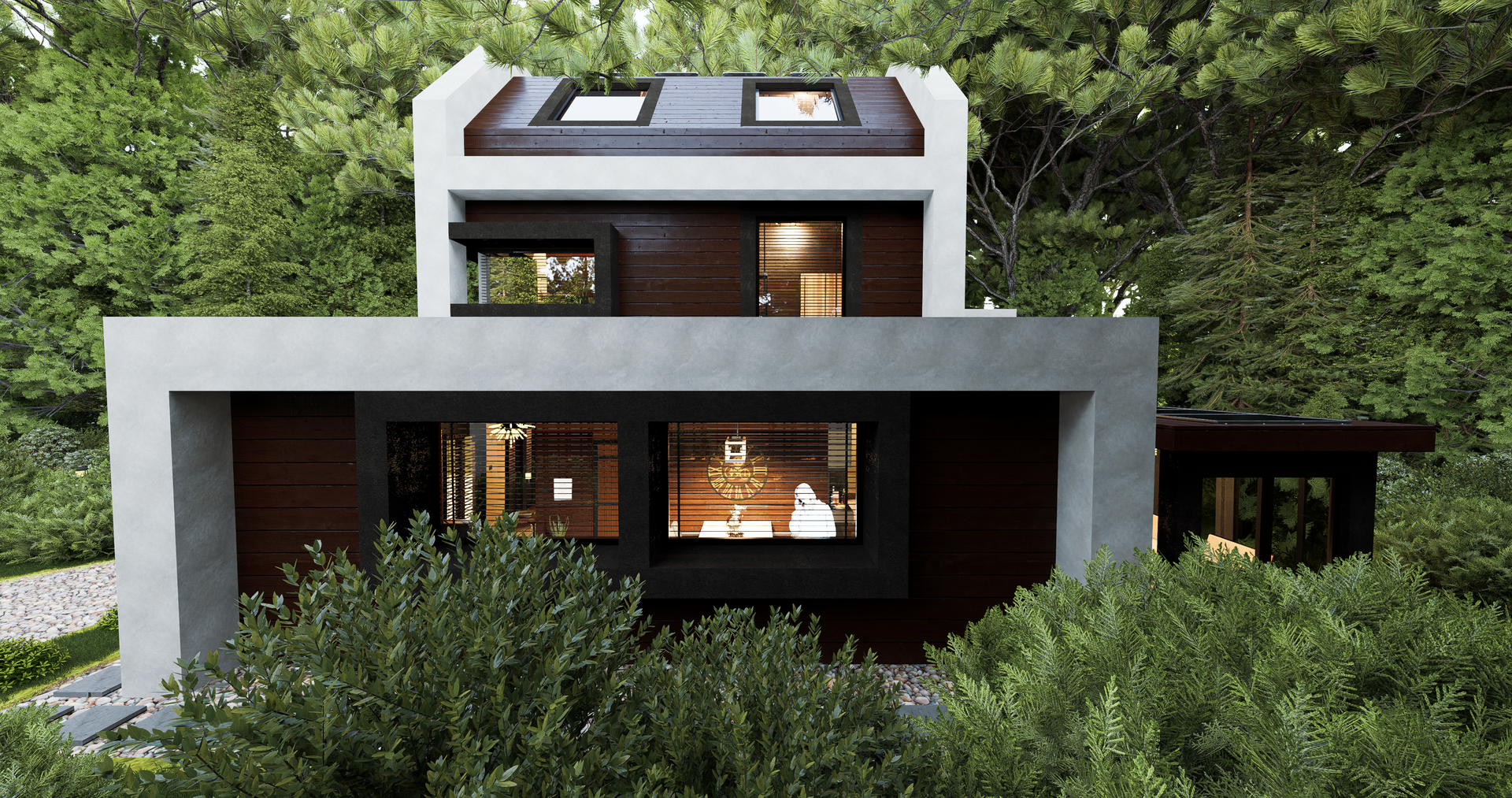
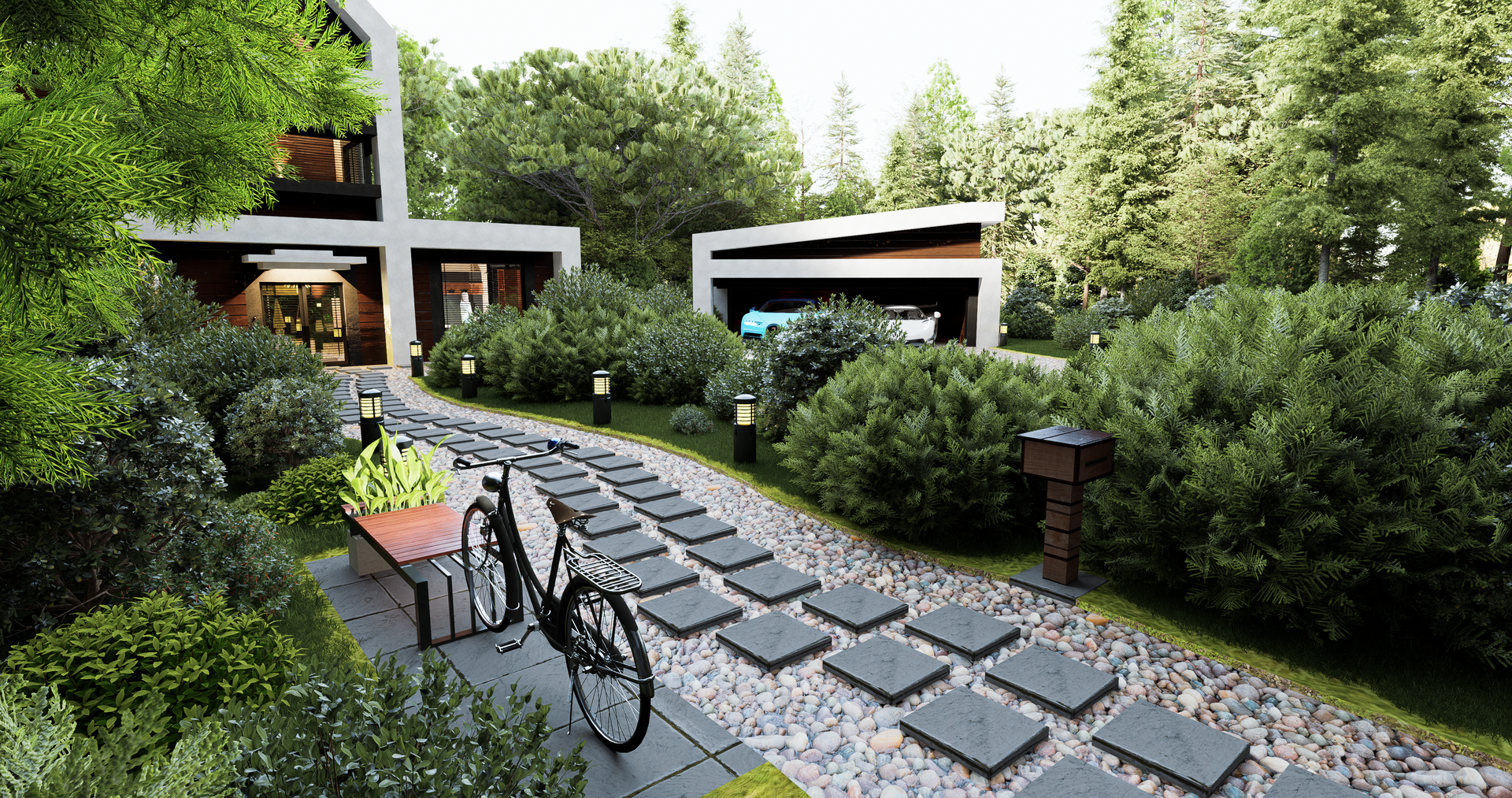
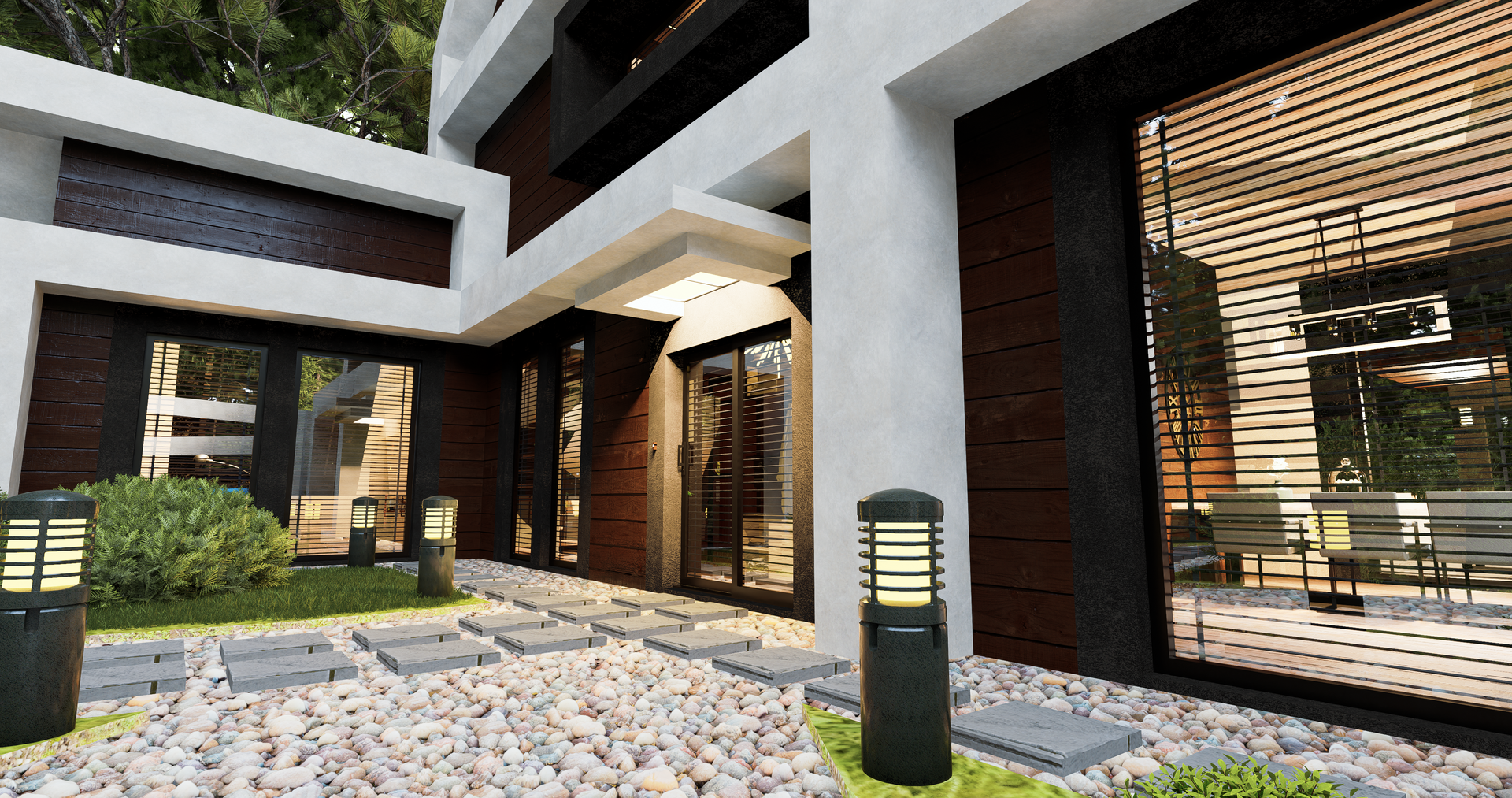
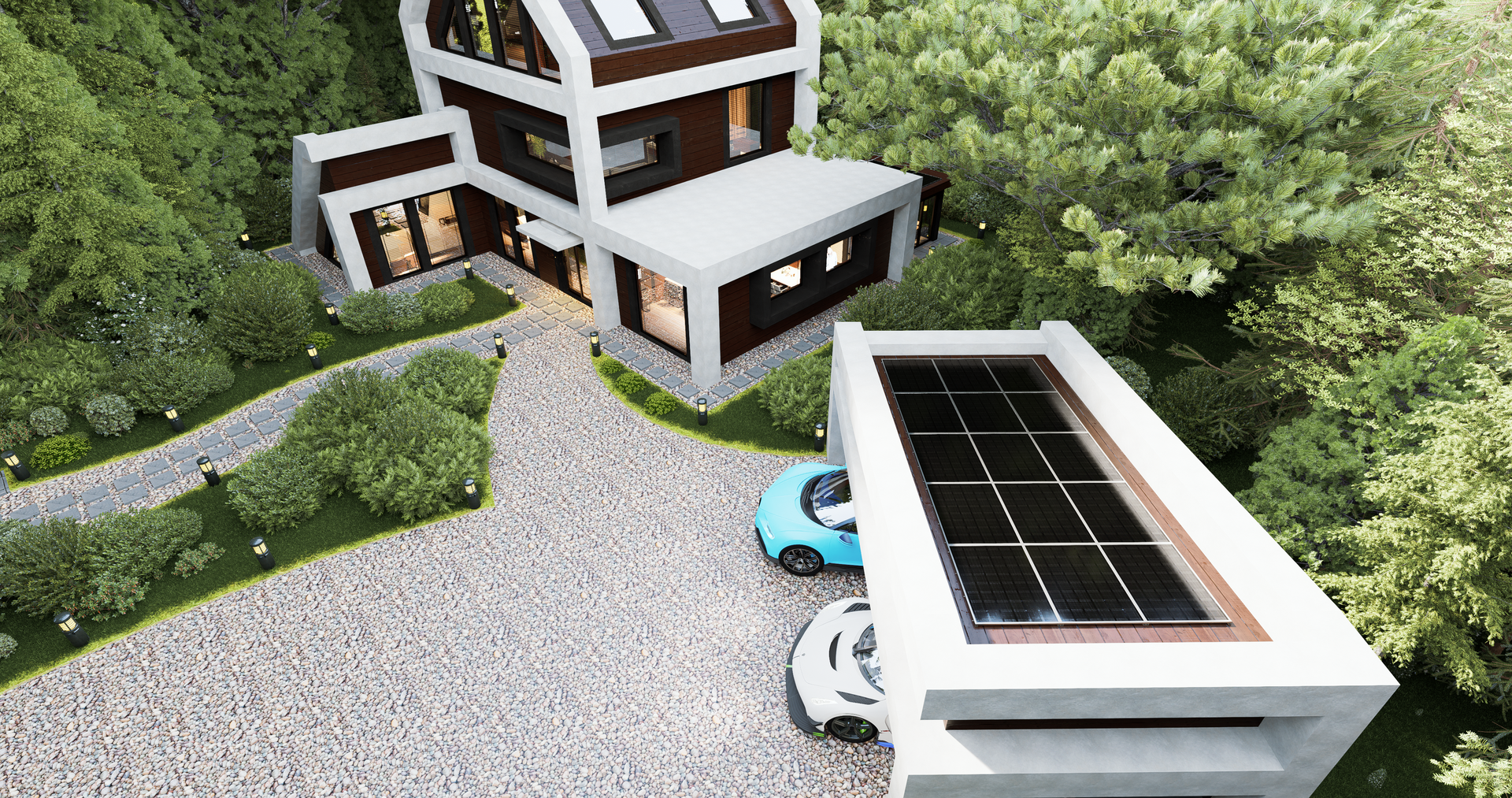
House designed by sunlight
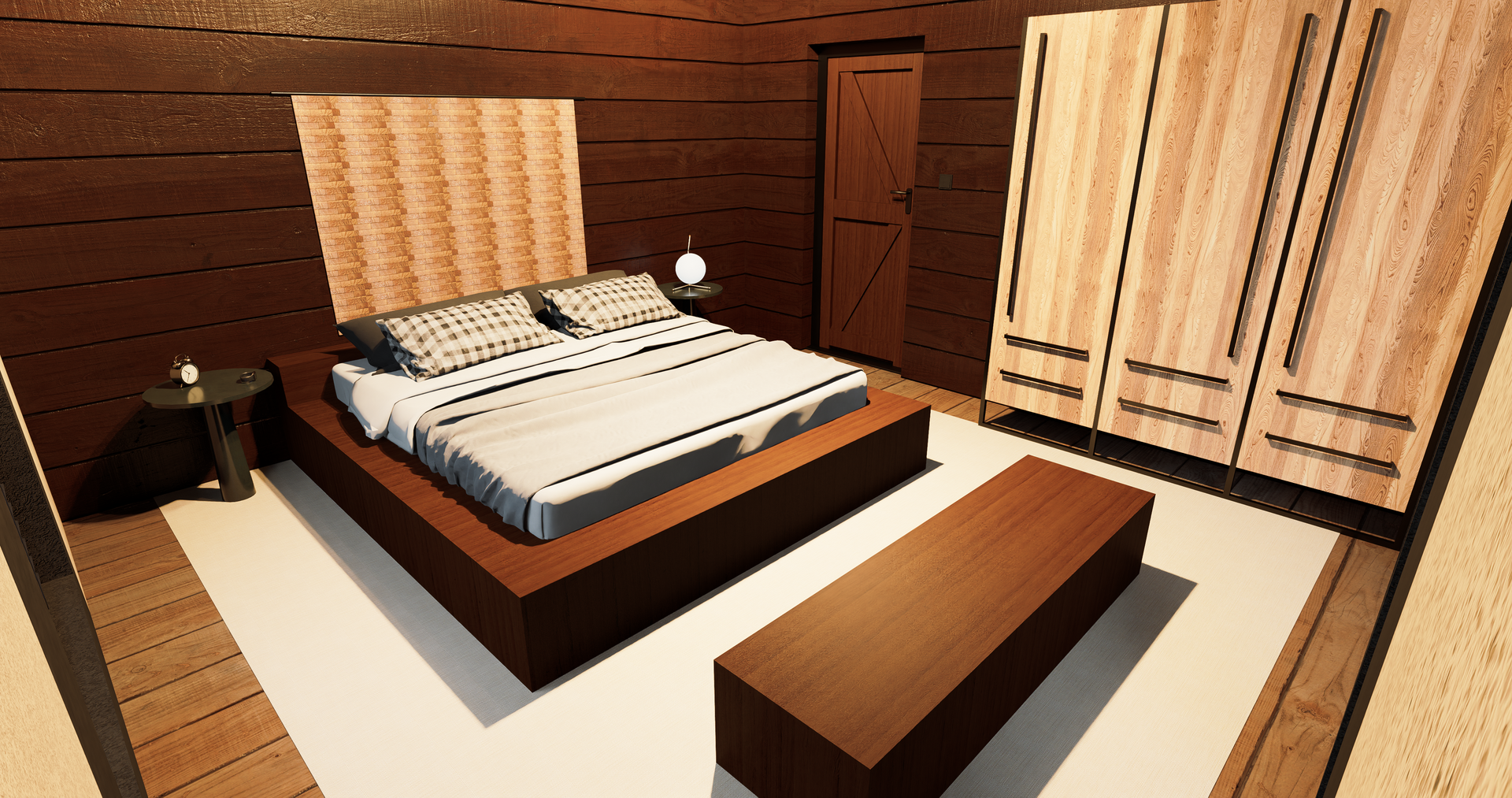
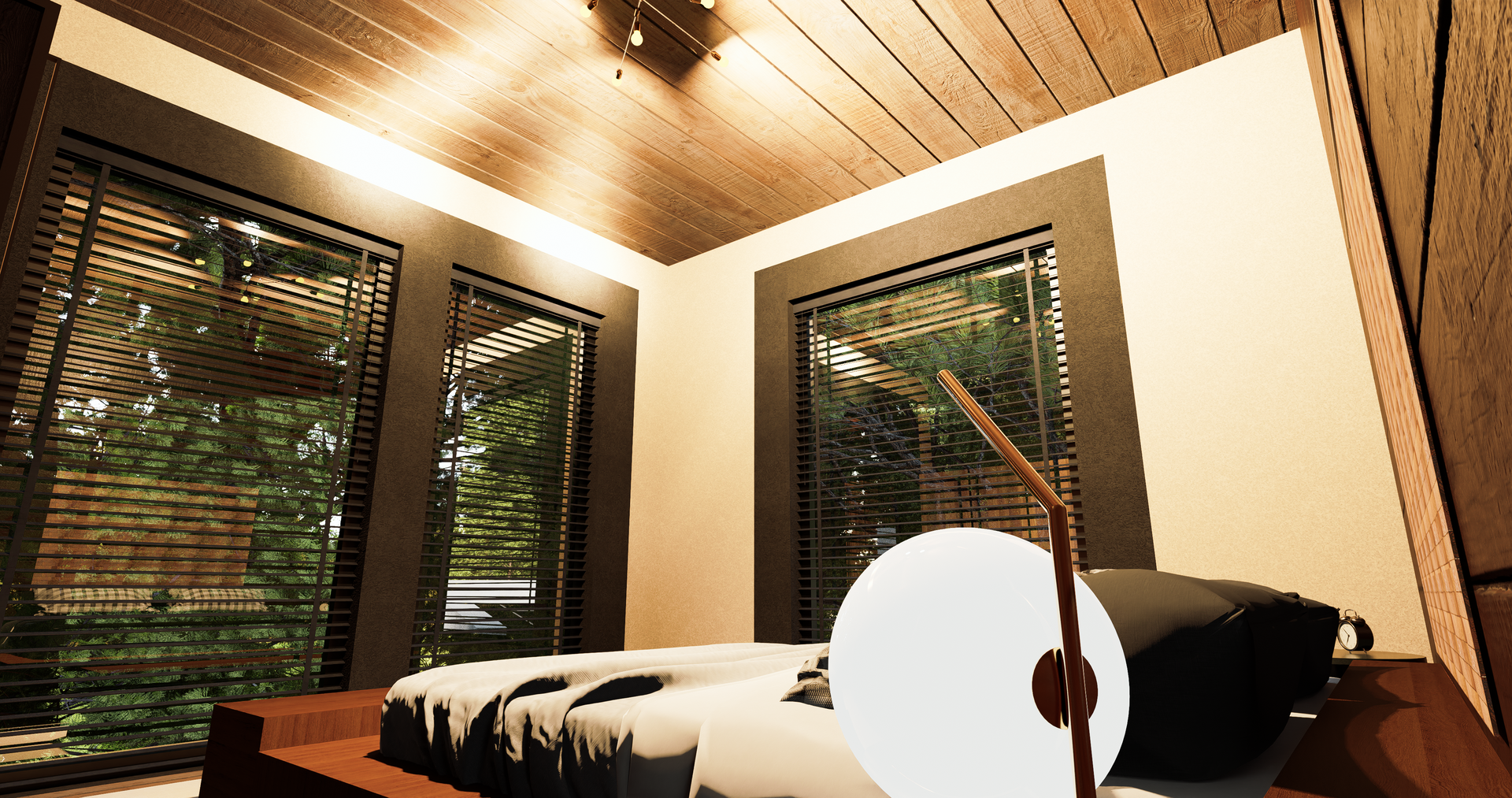
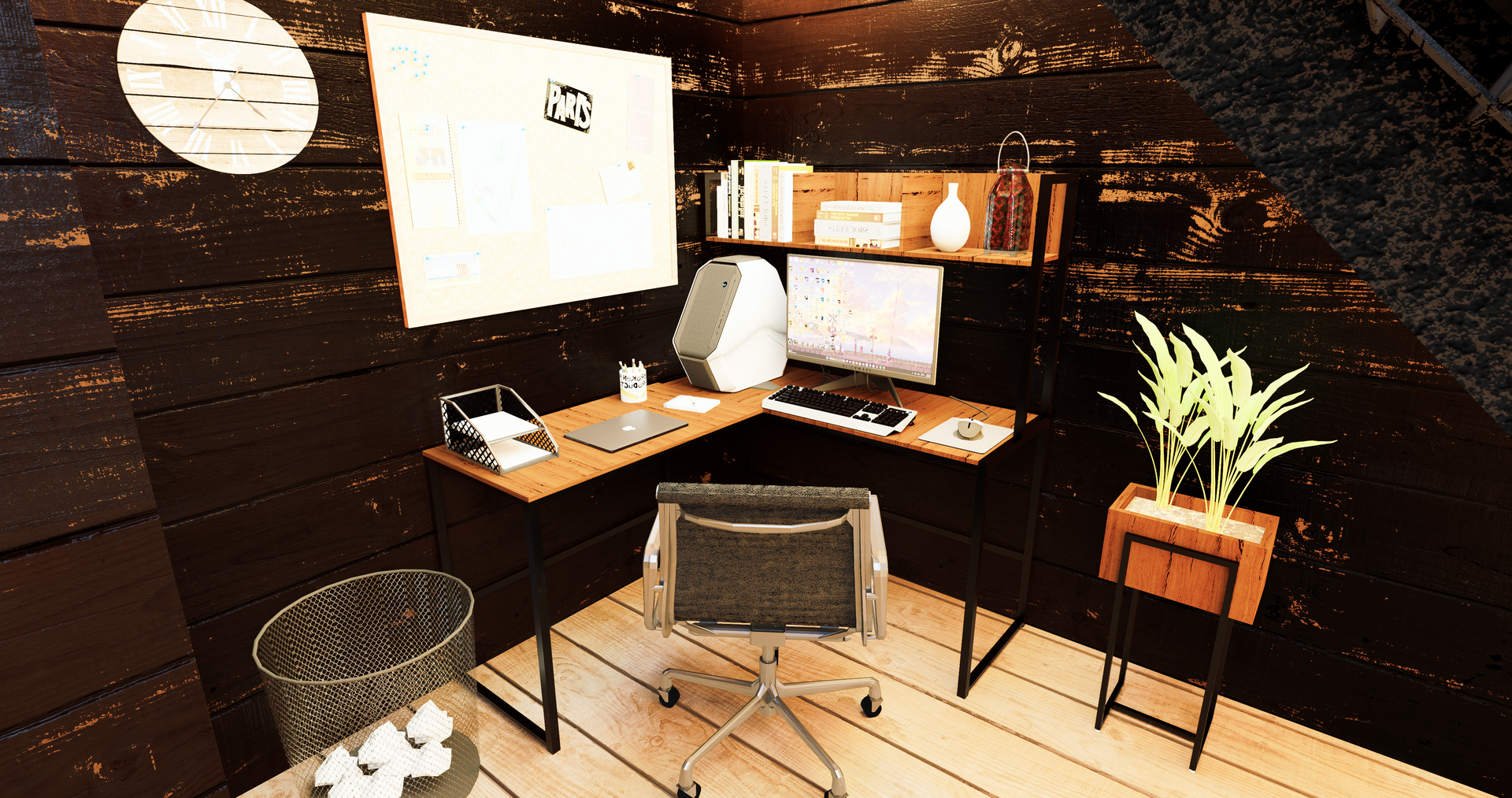
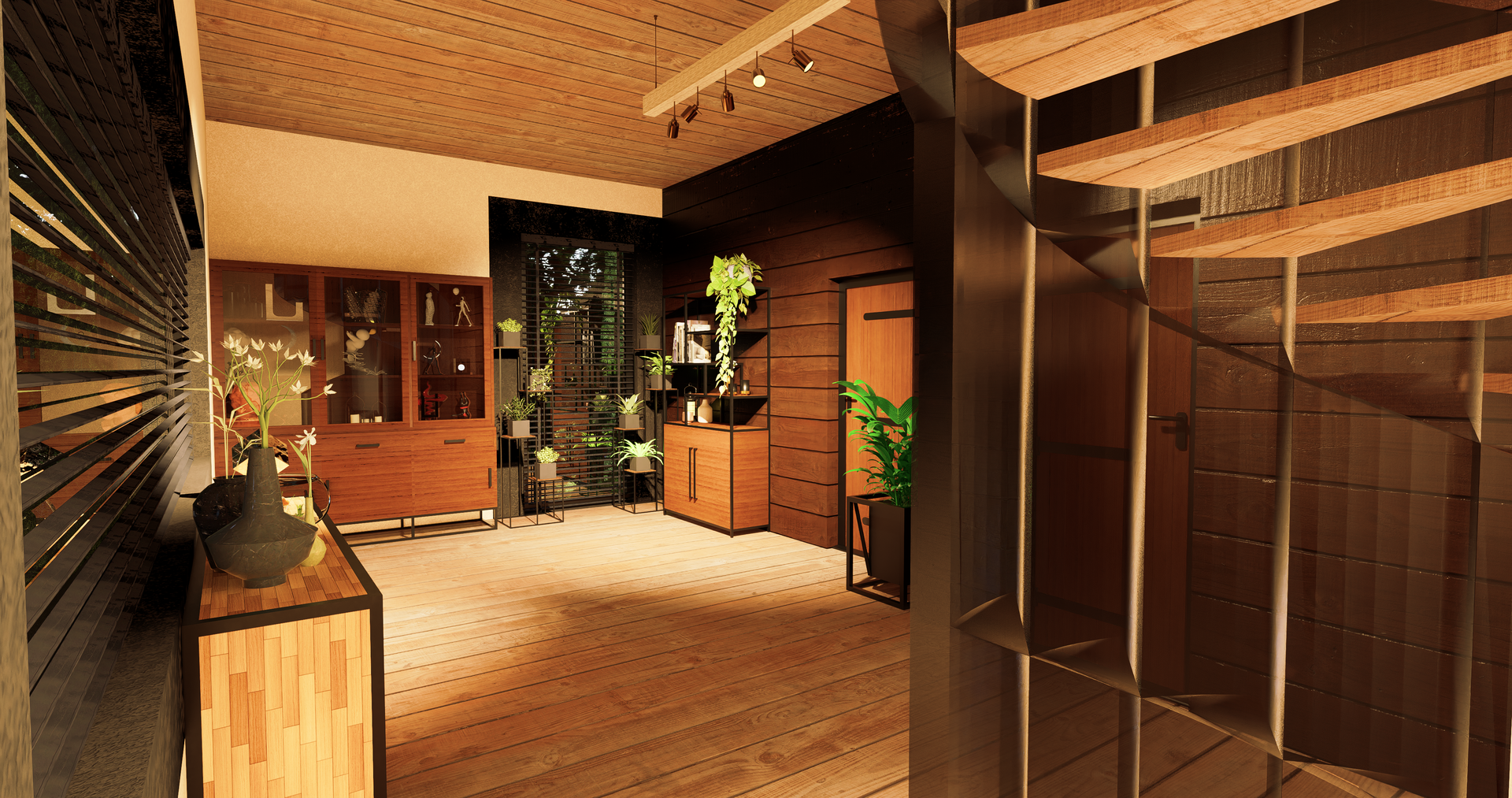
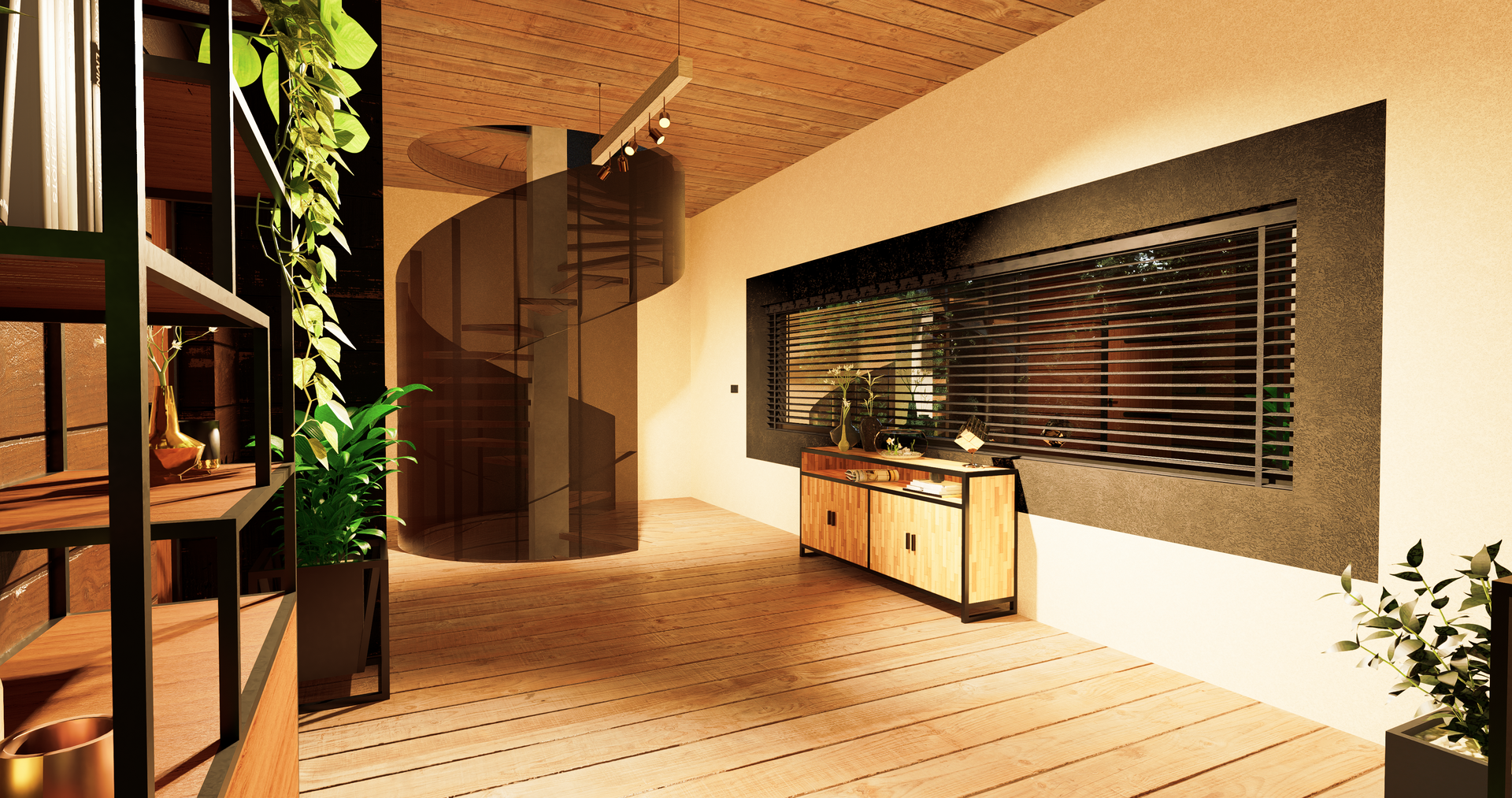
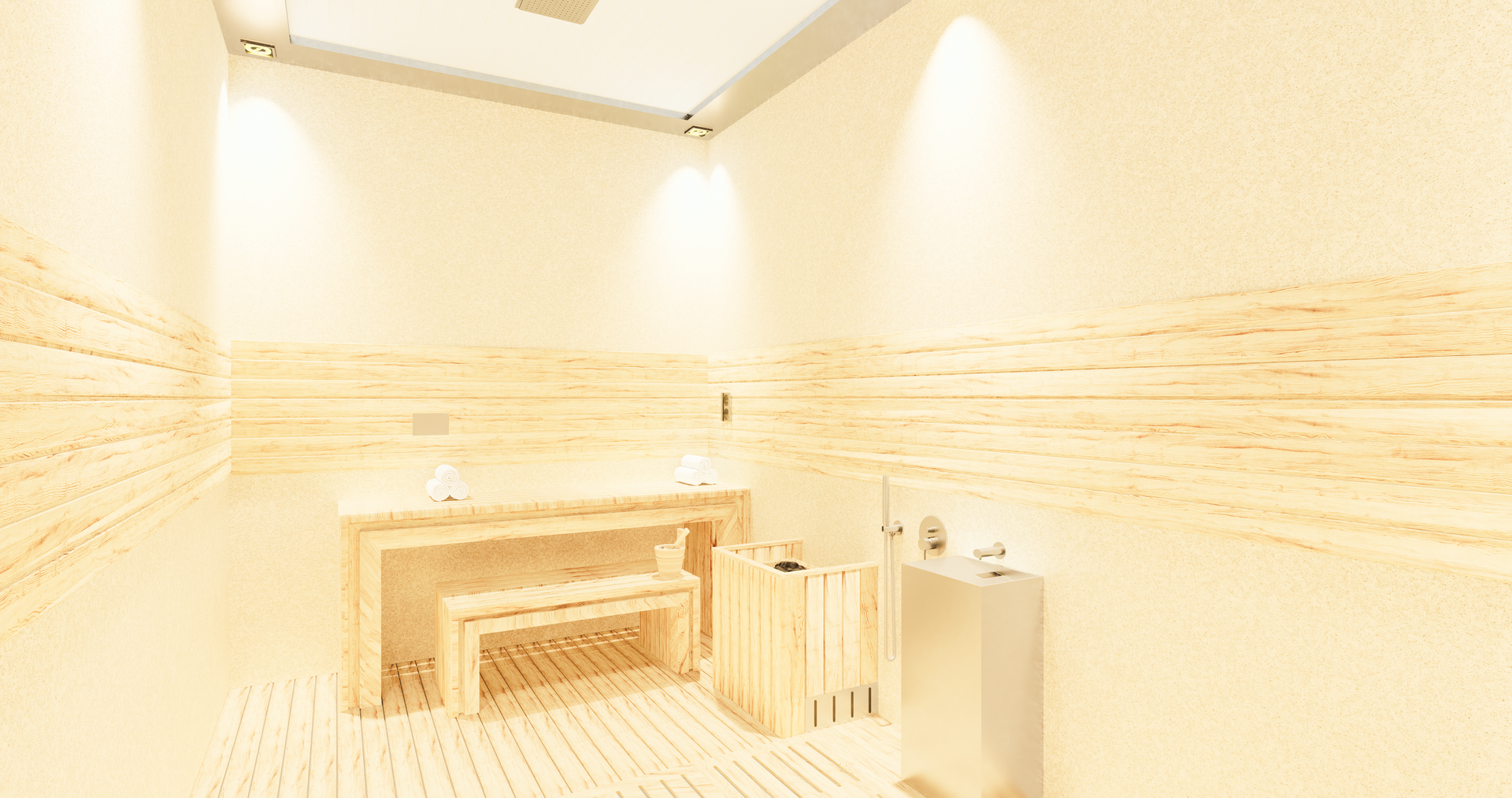
Why not embrace daylight design, which offers greater energy efficiency? I consider the functionality of every room, as workplaces and living areas thrive with ample daylight, whereas bedrooms often benefit from blackout solutions to ensure a restful night's sleep.
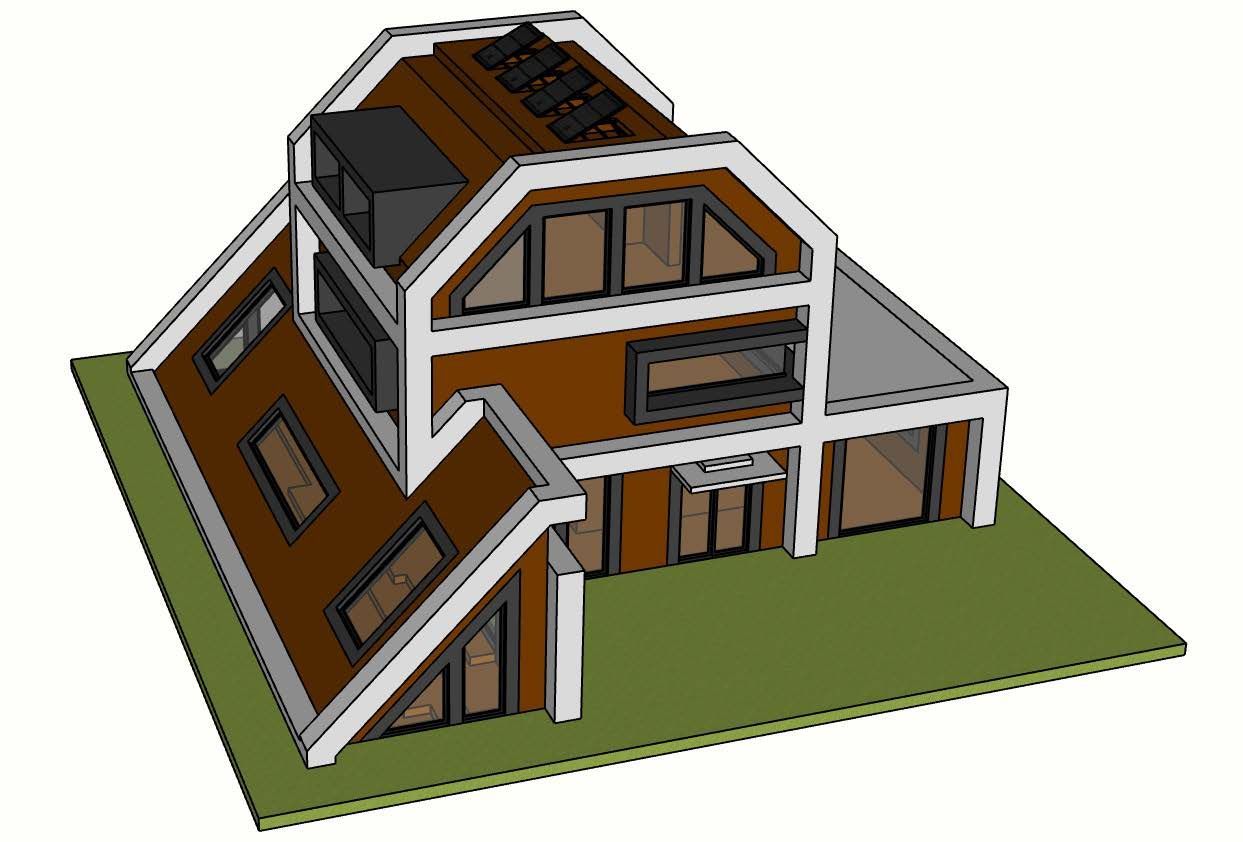
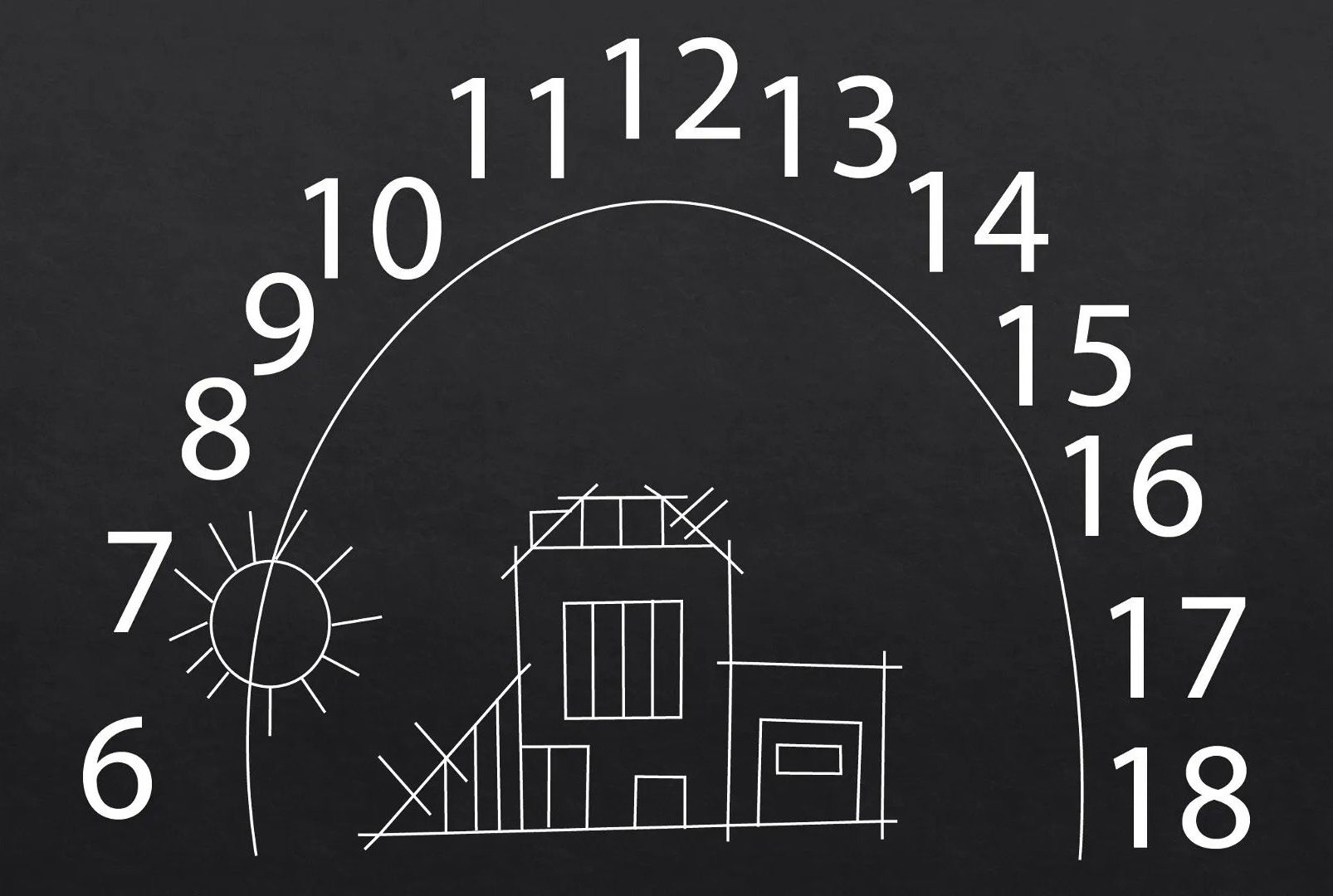
When I consider the concept of daylight, I find it quite challenging to incorporate into my own house designs. This has truly shifted my perspective on architectural design. Consequently, I aim to begin this journey by creating a house that reflects the sun's position and aligns with how each room is used.
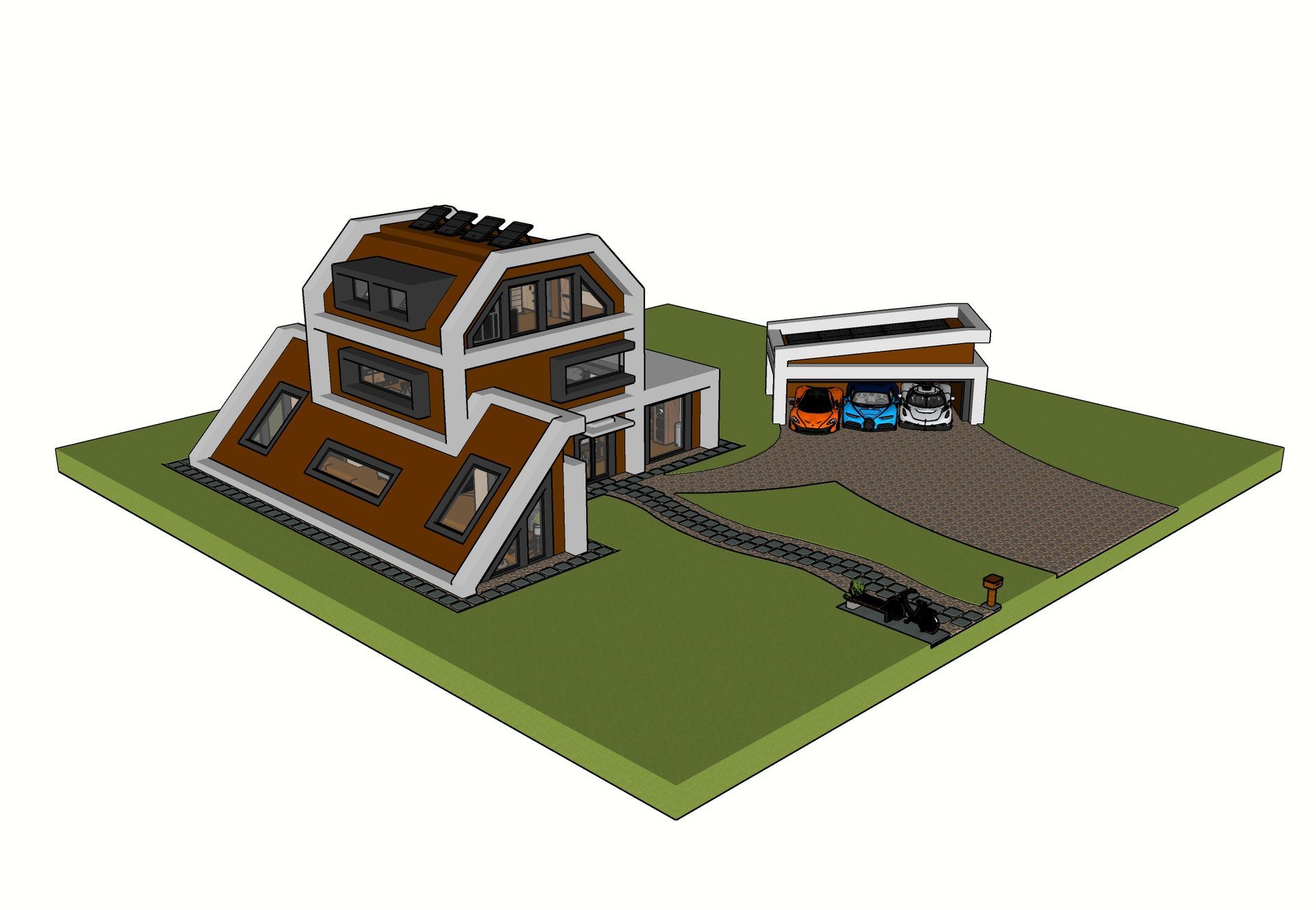
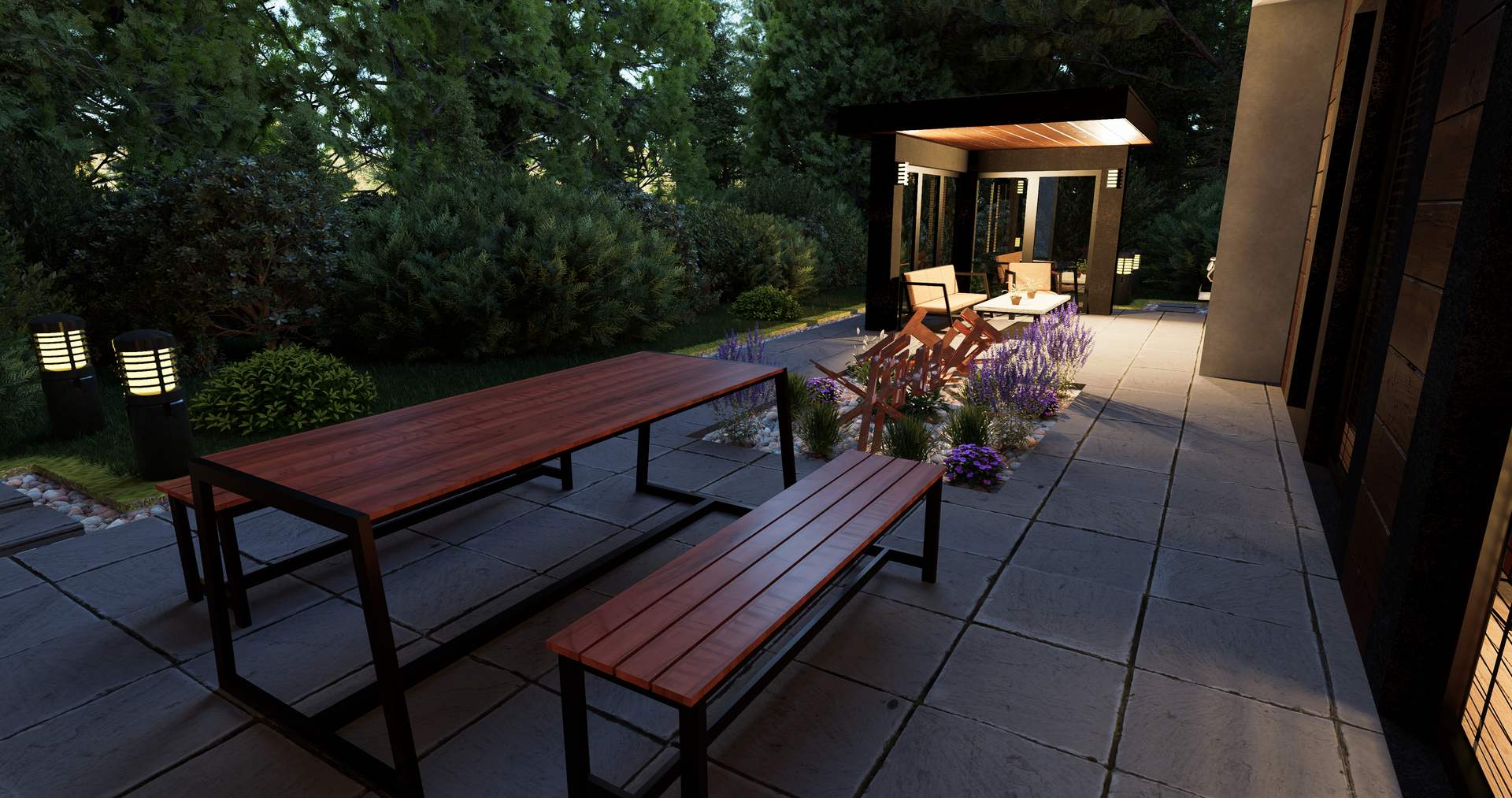
To delve deeper into this concept, I intend to create a house where the orientation, window placement, and utilization of each space are meticulously aligned with the sun's trajectory throughout the day. This design will be not only visually appealing but also serve as a model of how architecture can foster a sustainable and healthy living environment. The rooftop solar panels will rotate in harmony with the sun's position, while the solar panels on both sheds will remain flat.
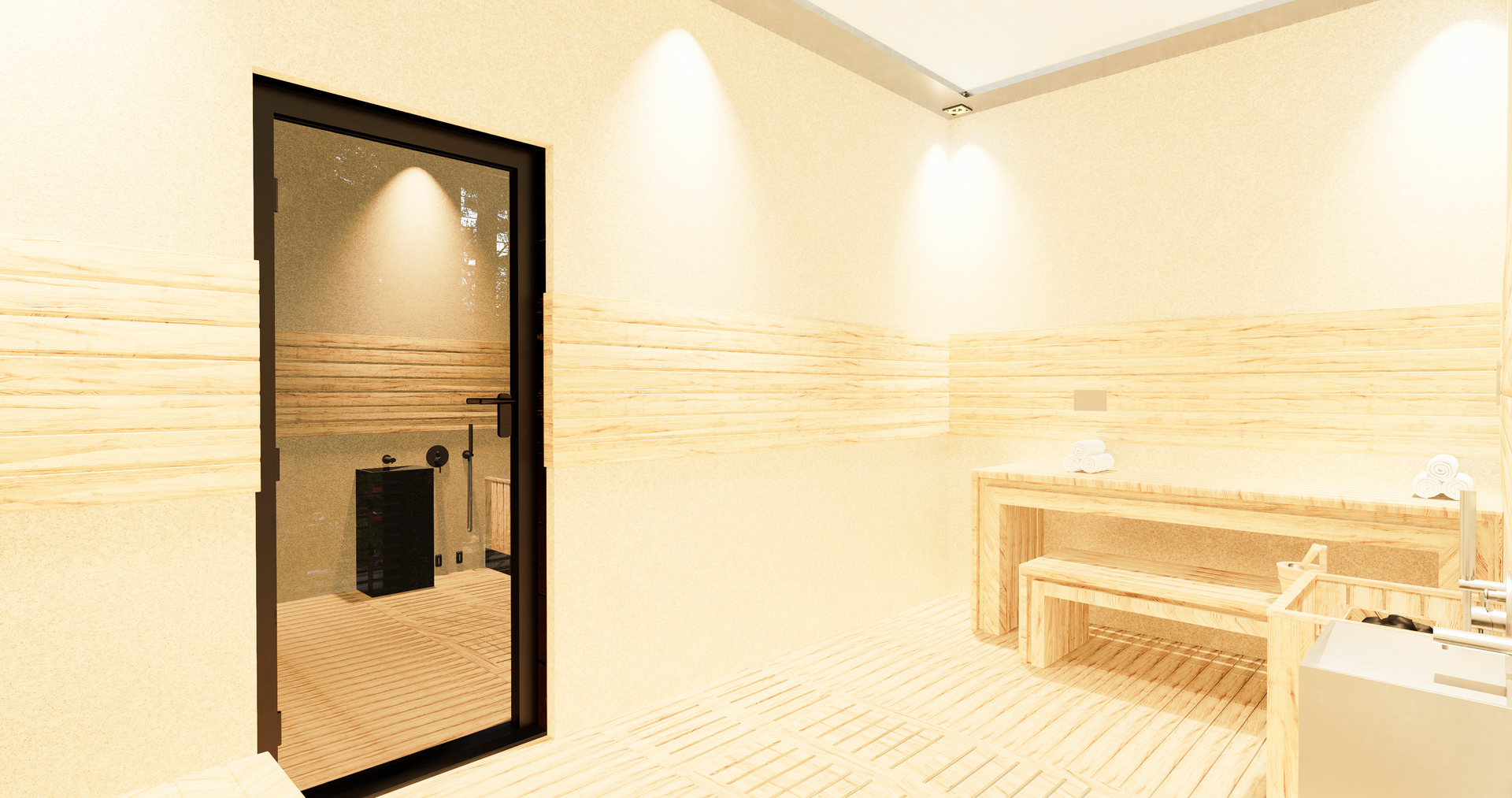
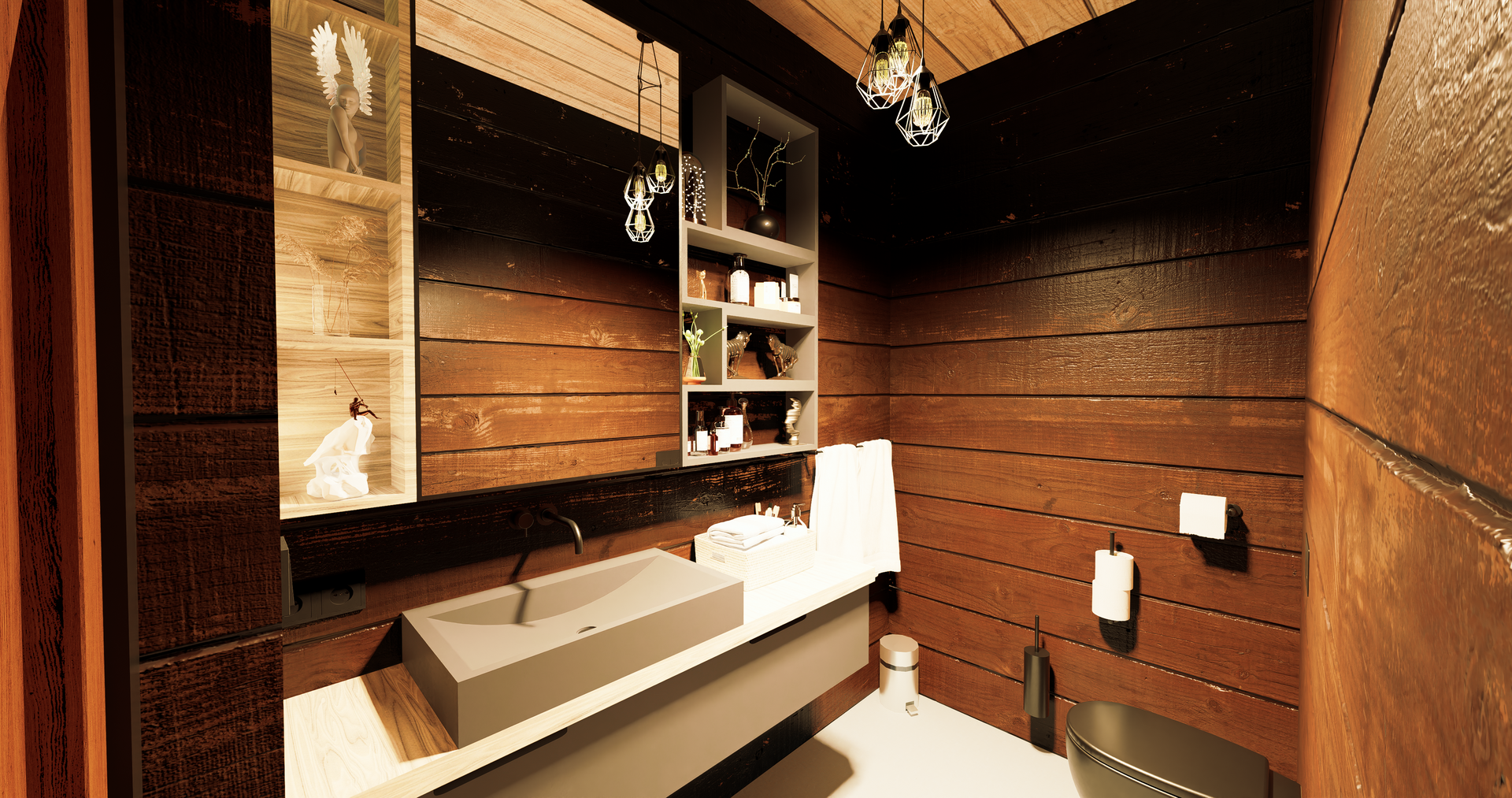
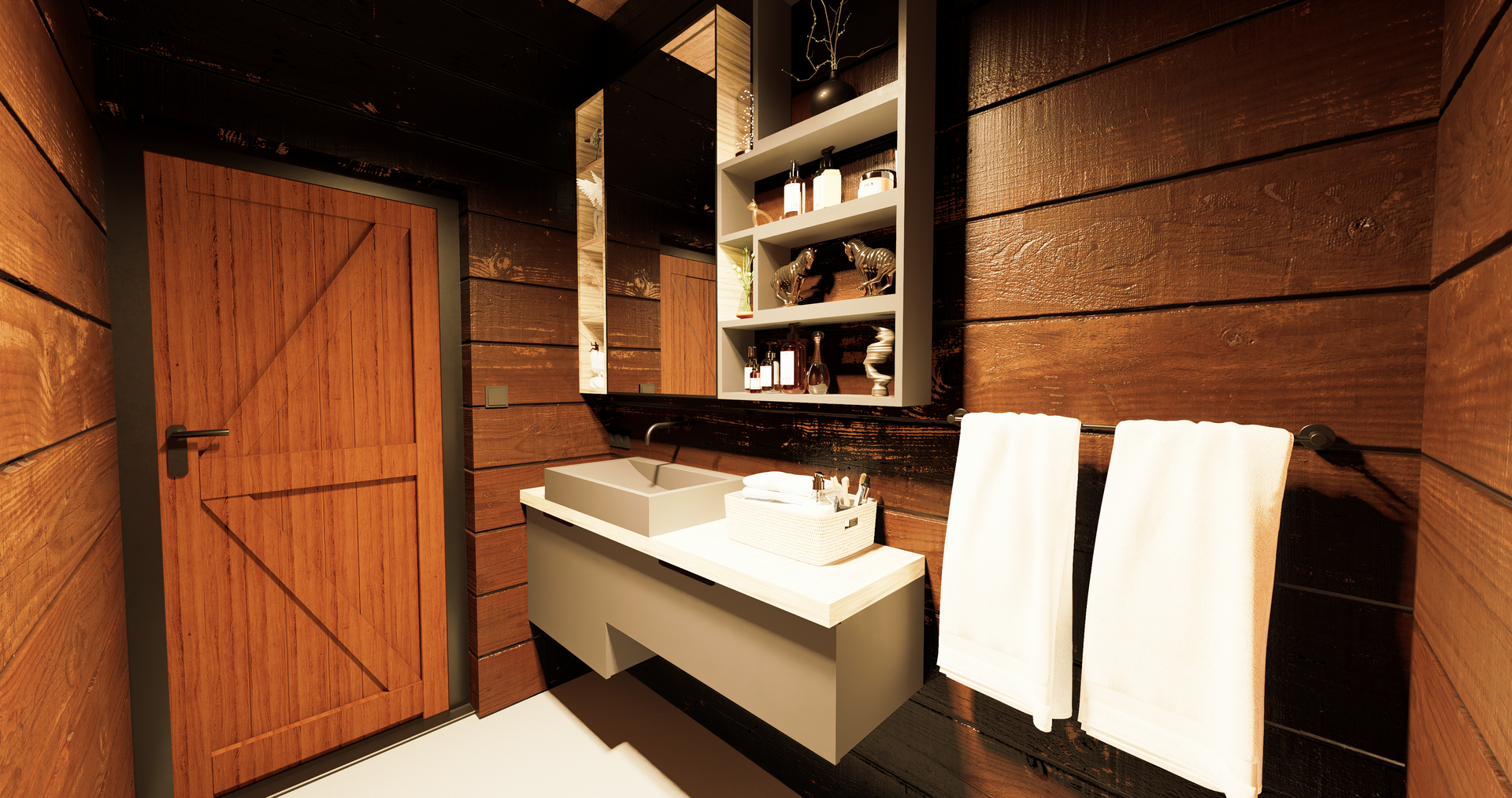
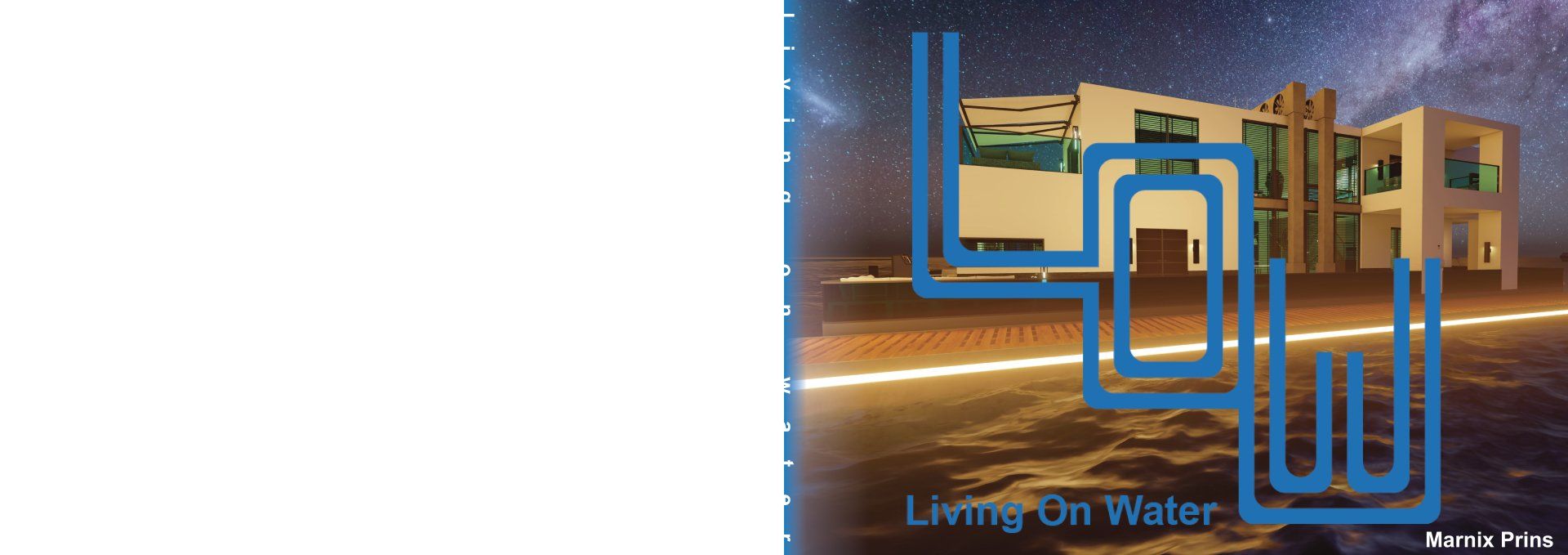
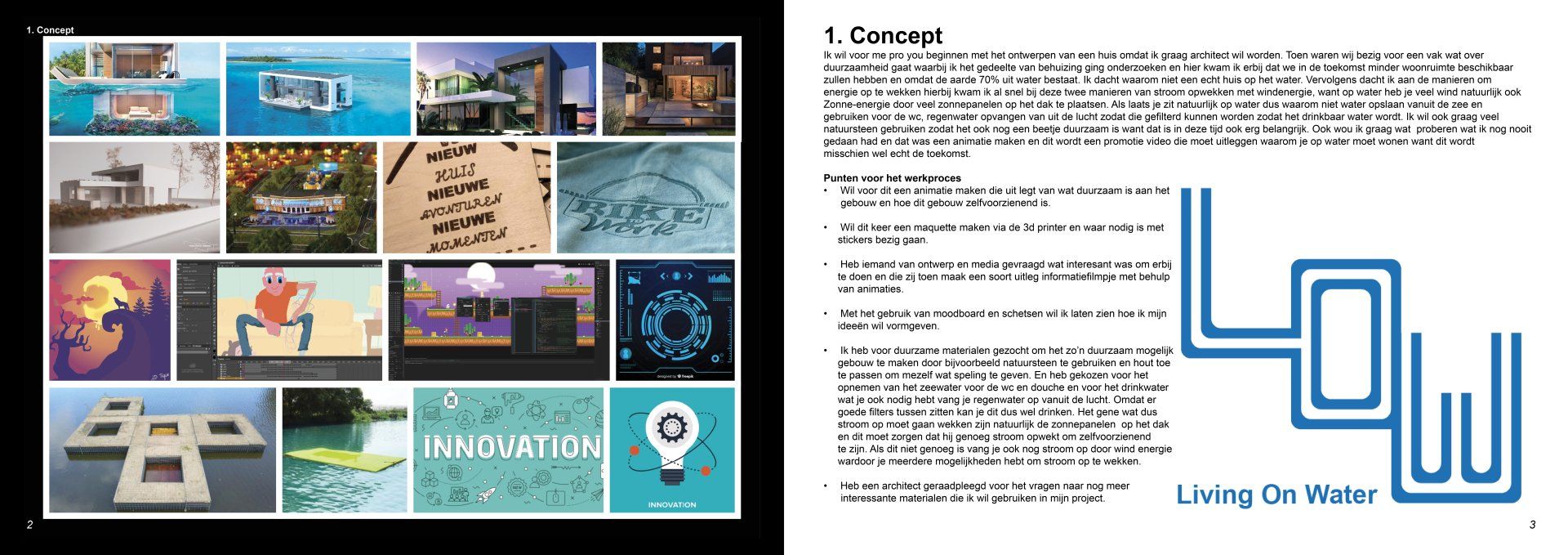
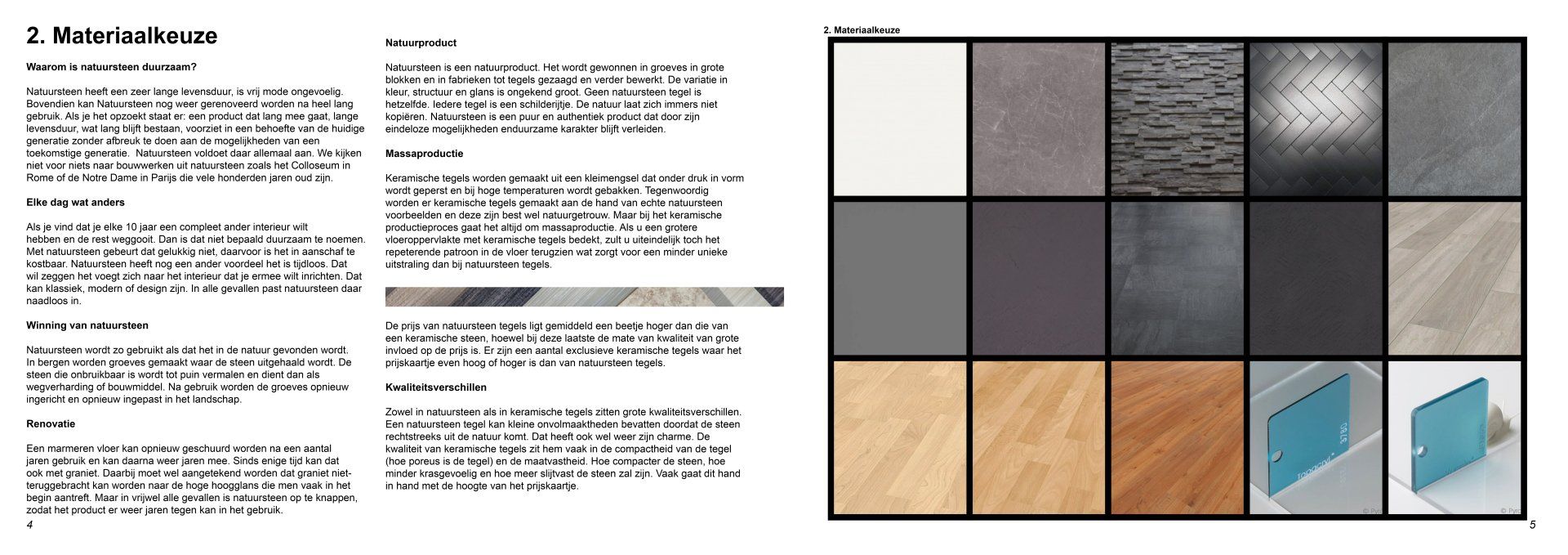
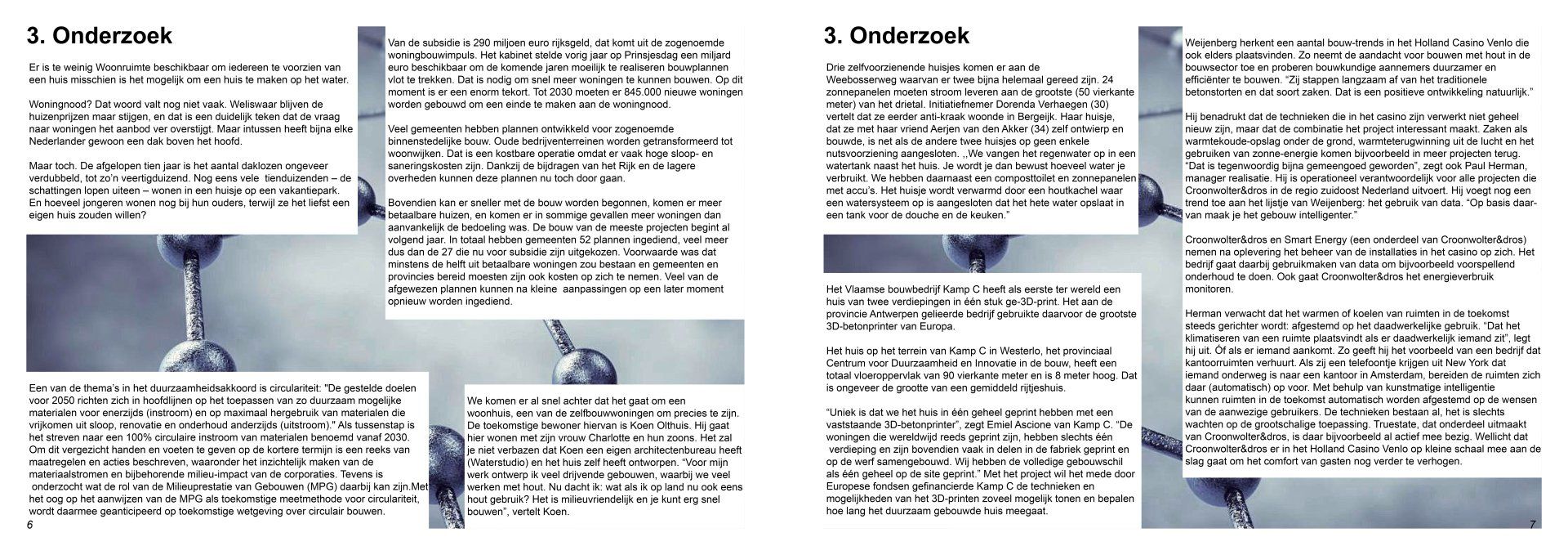
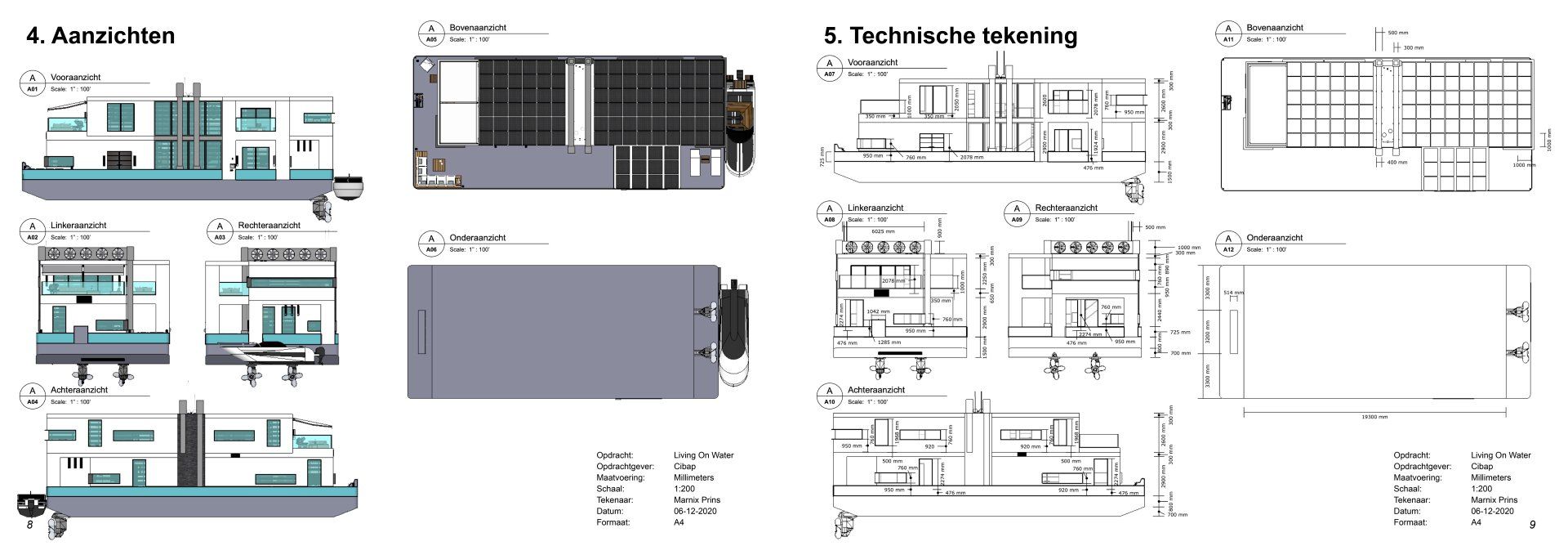
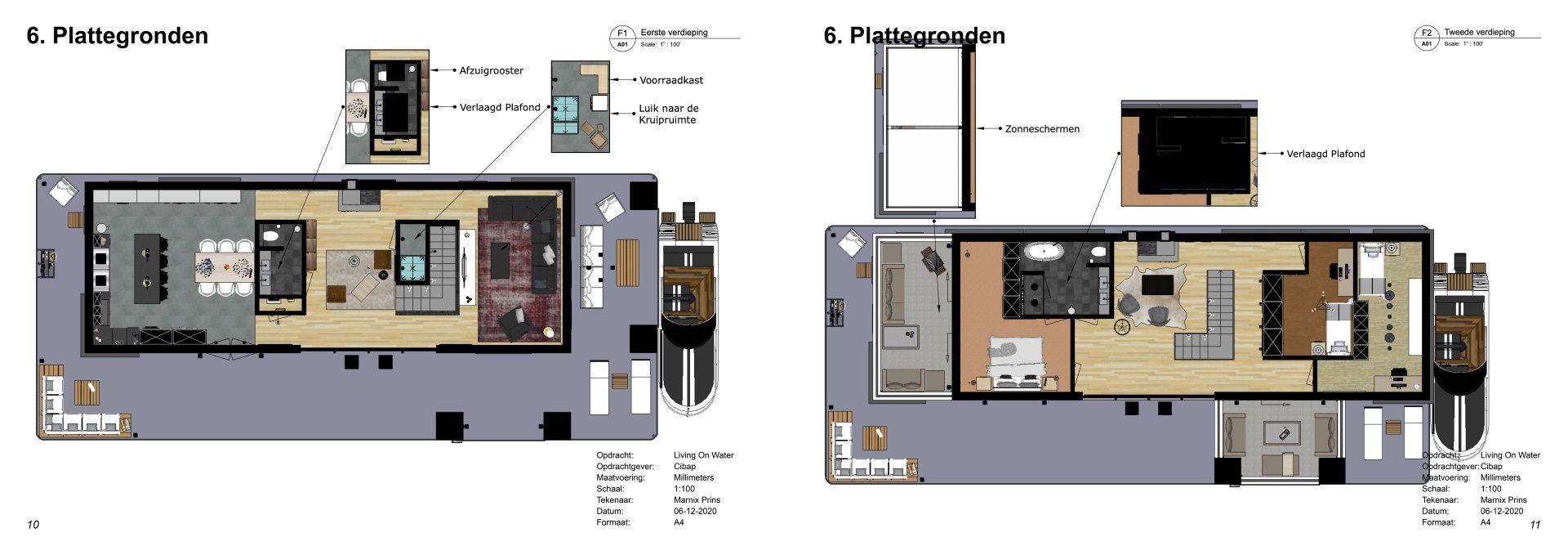
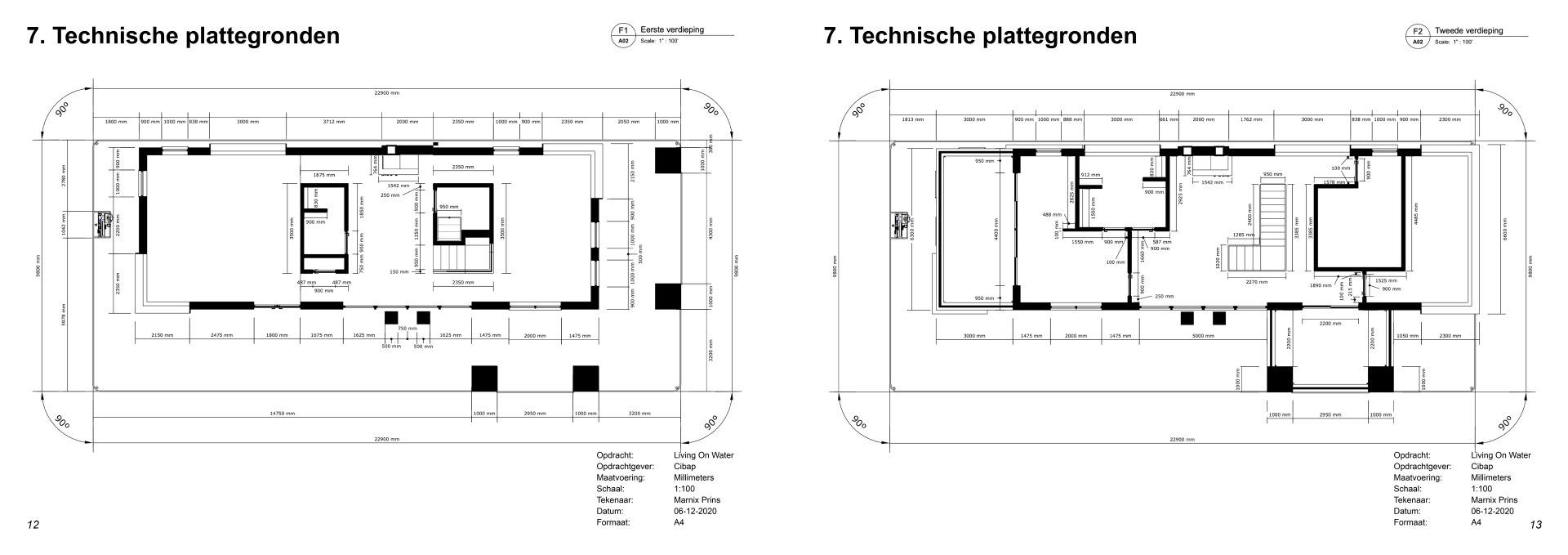
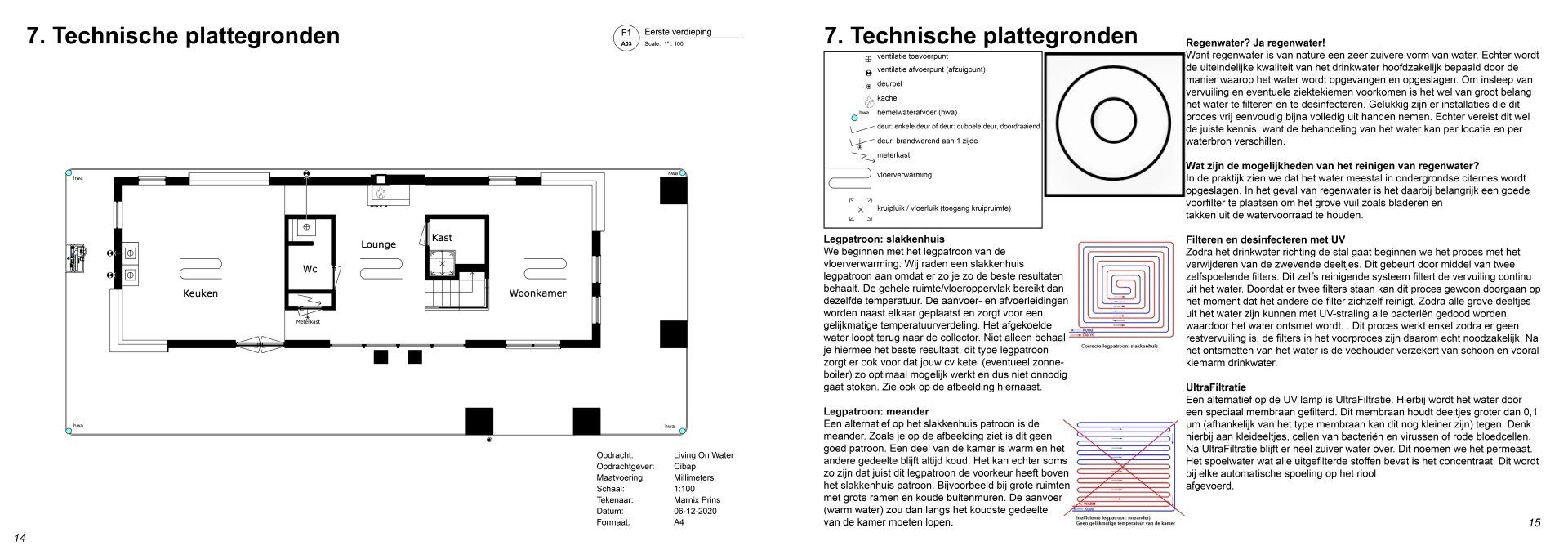
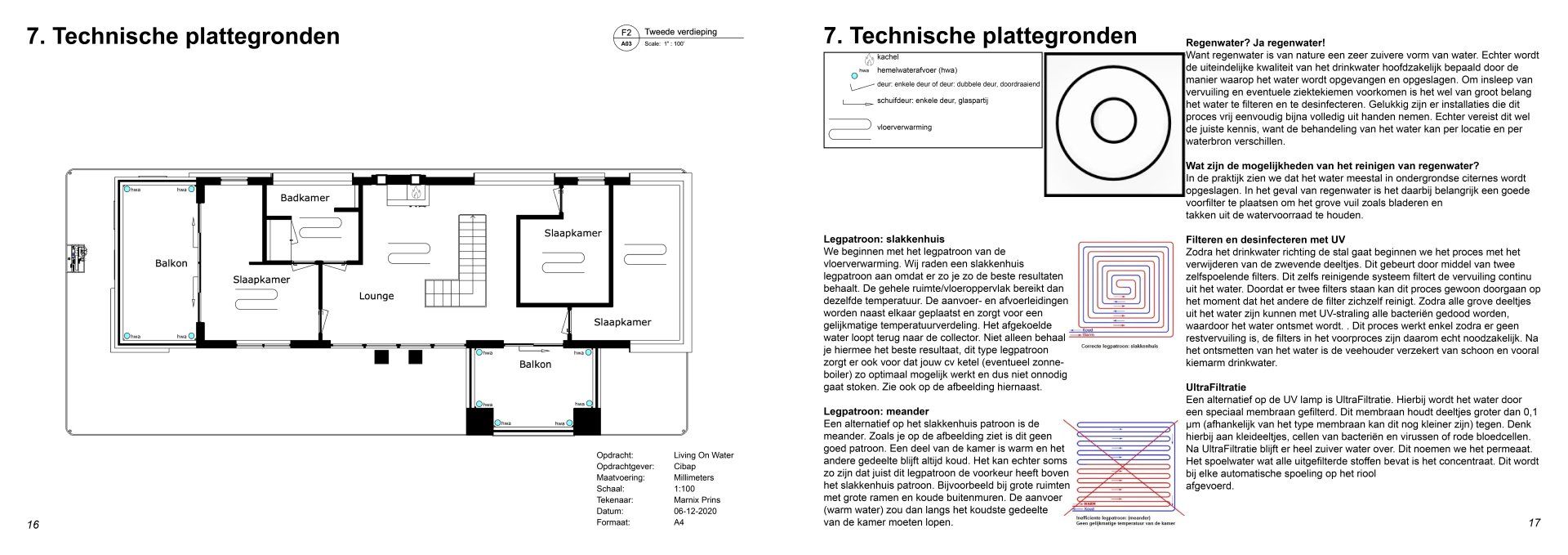
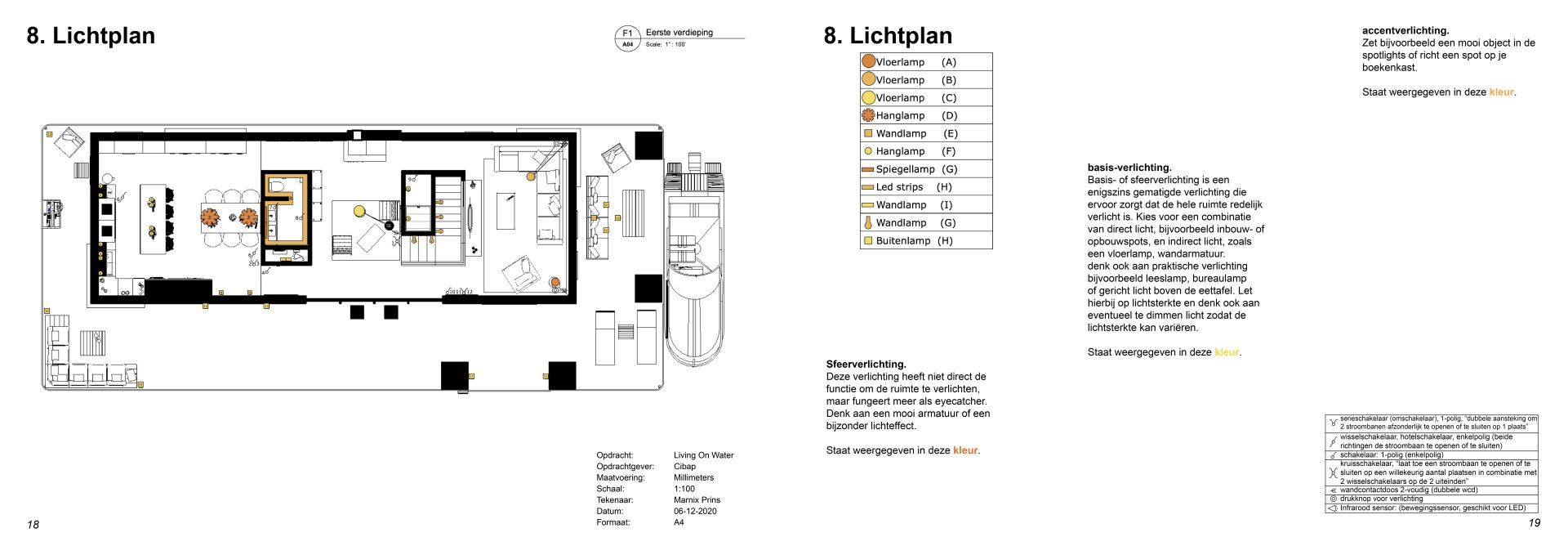
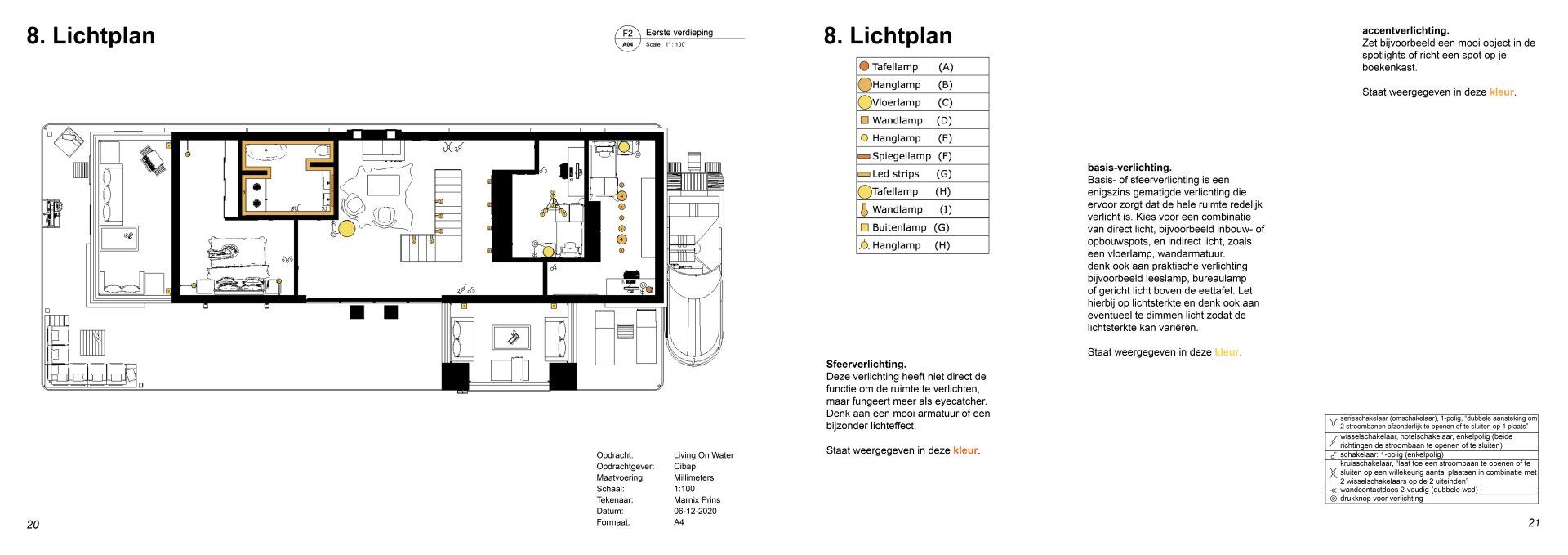
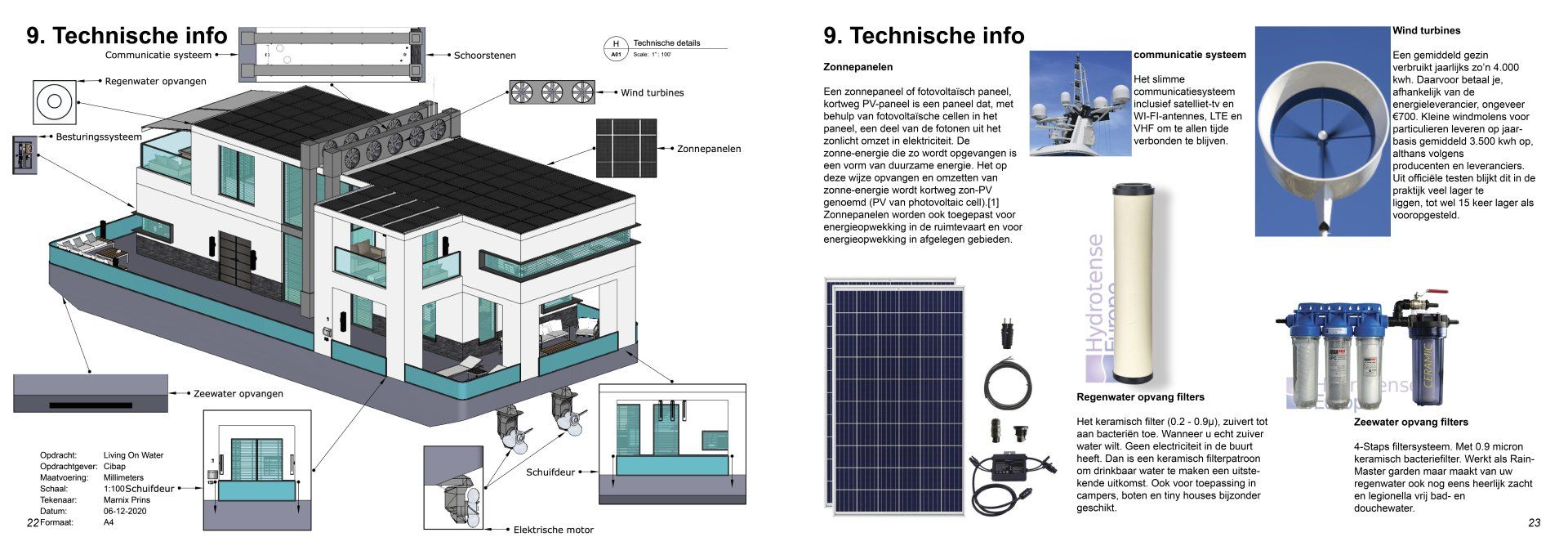
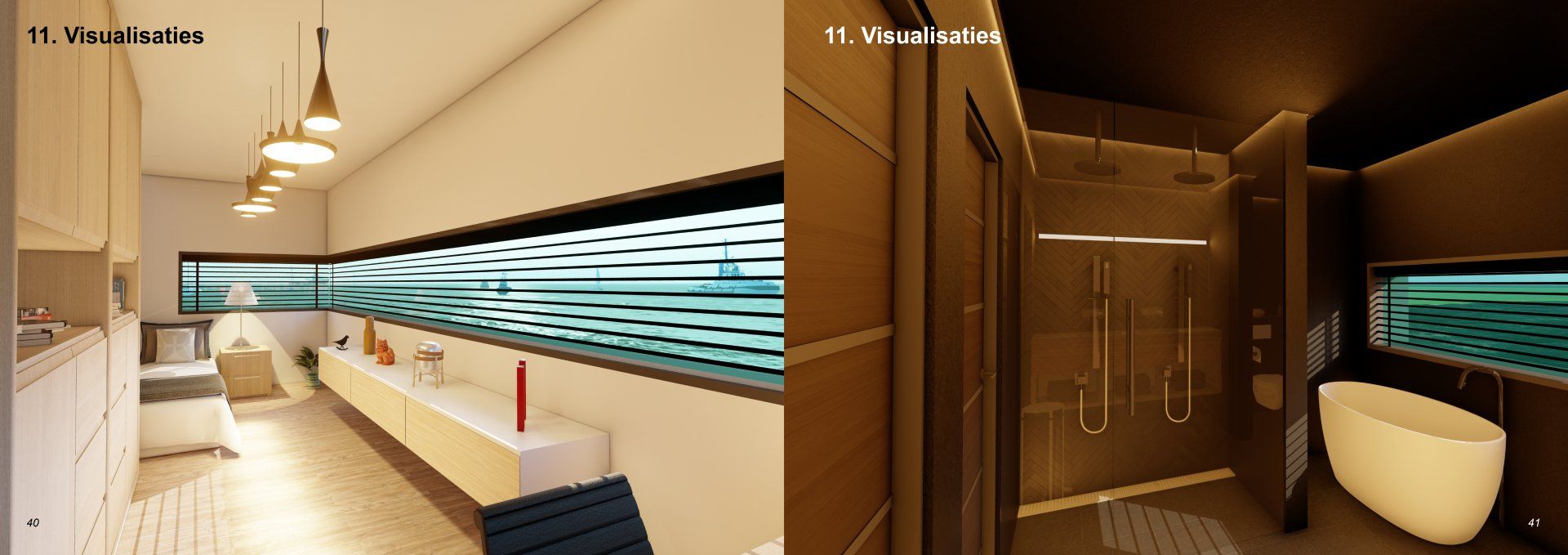
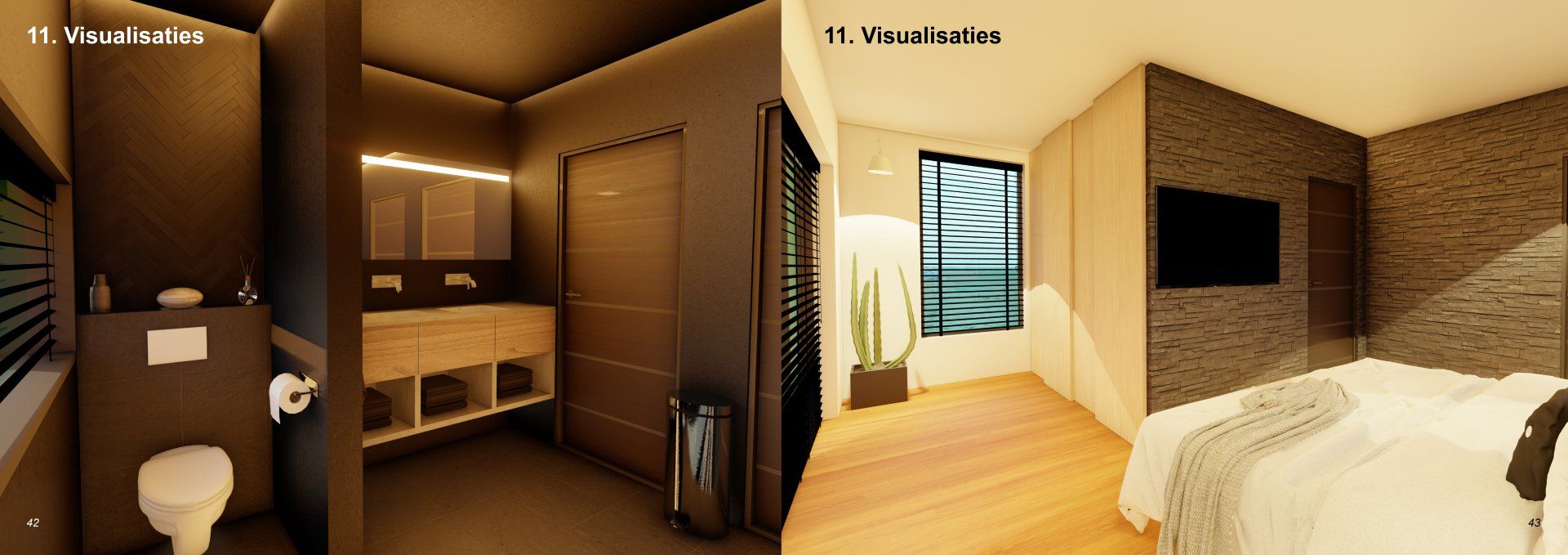
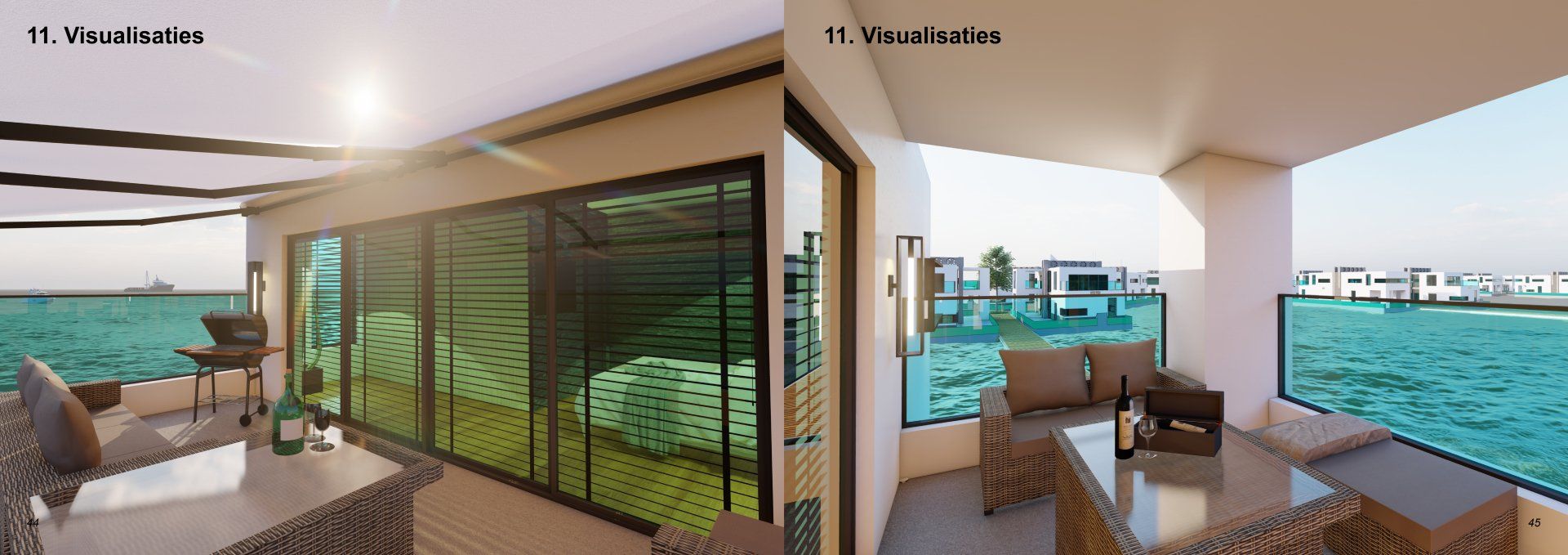
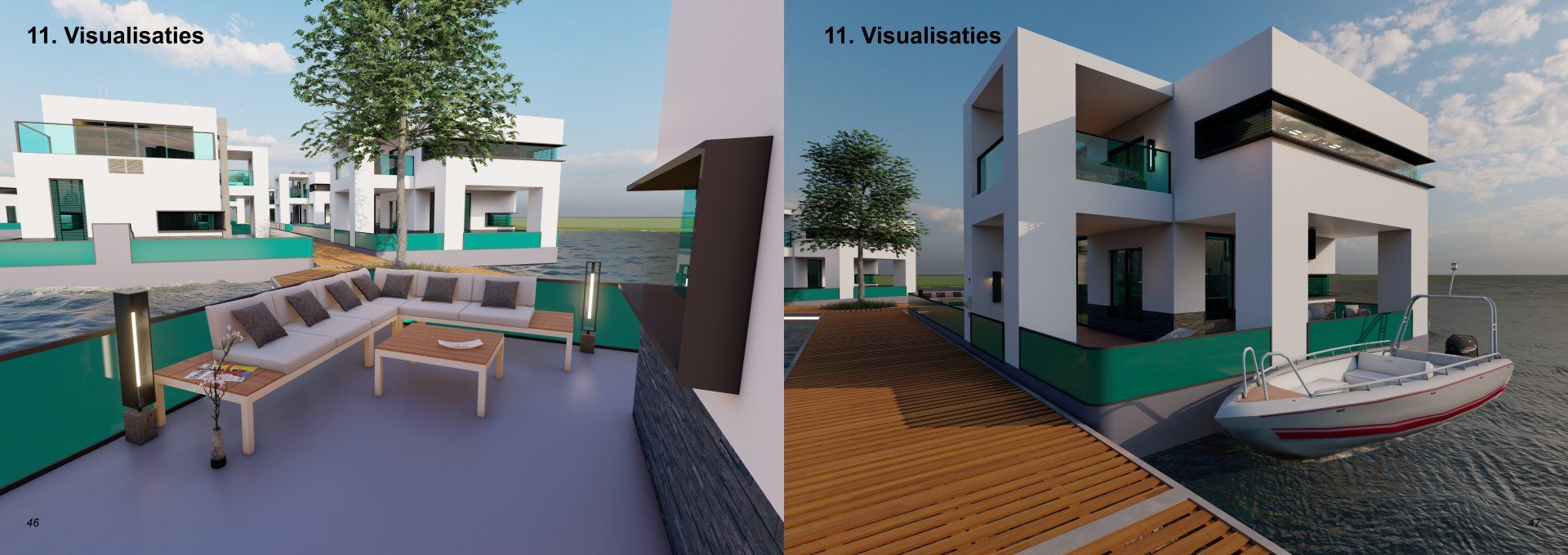
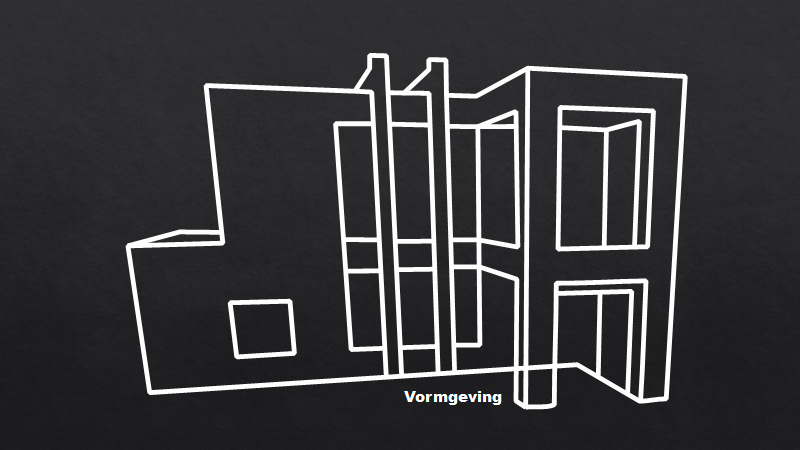
Living On Water
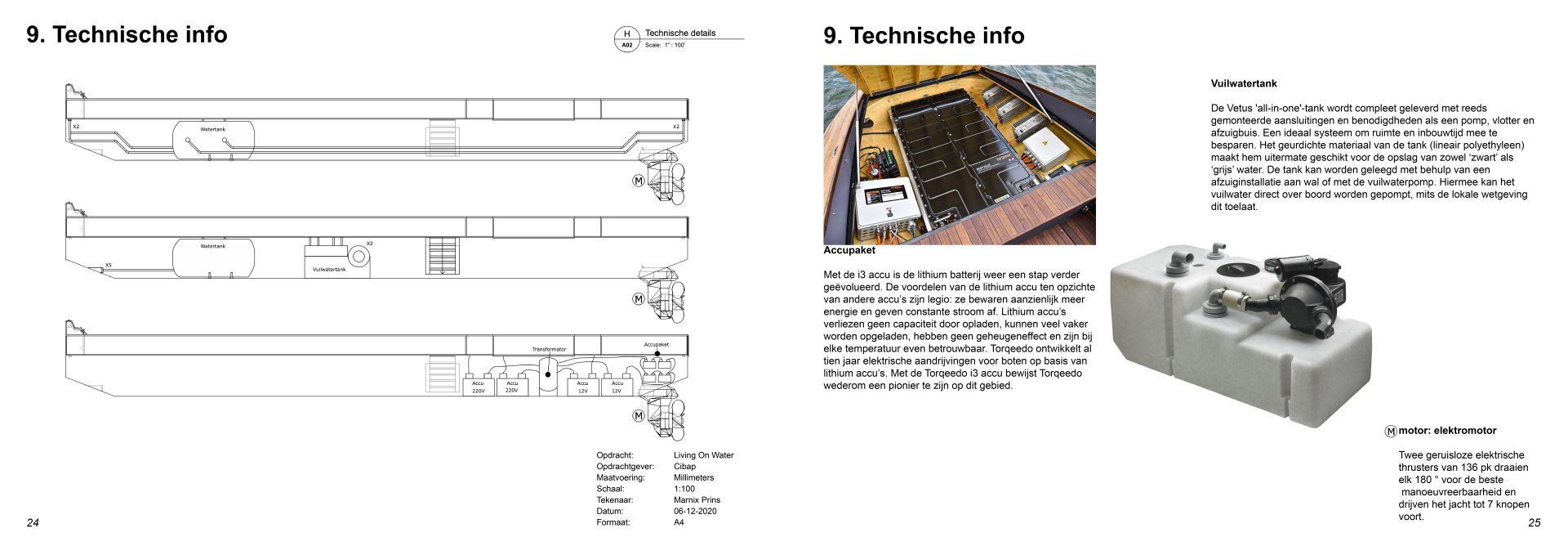
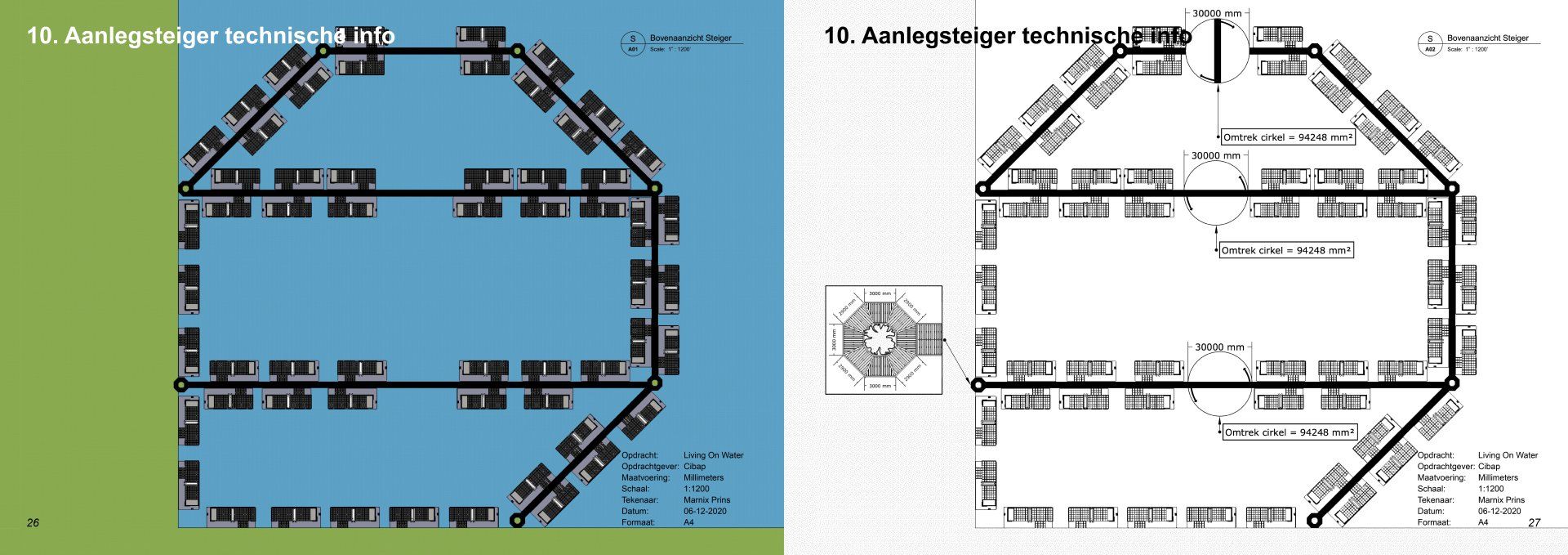
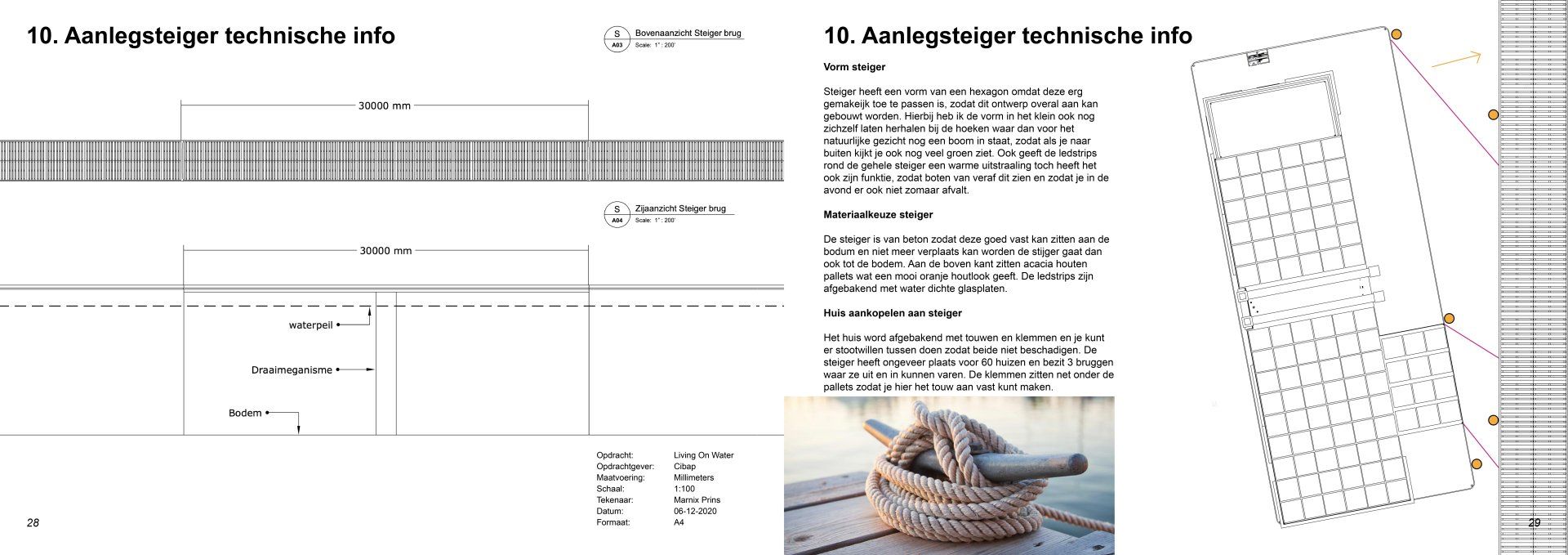
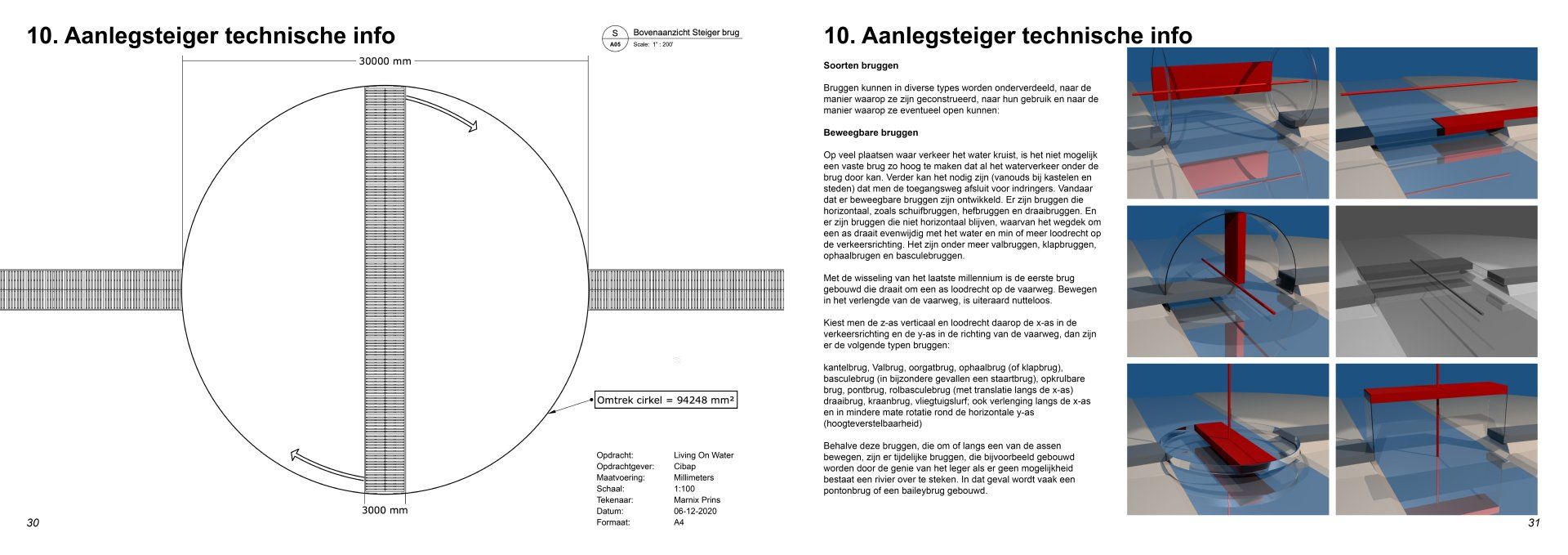
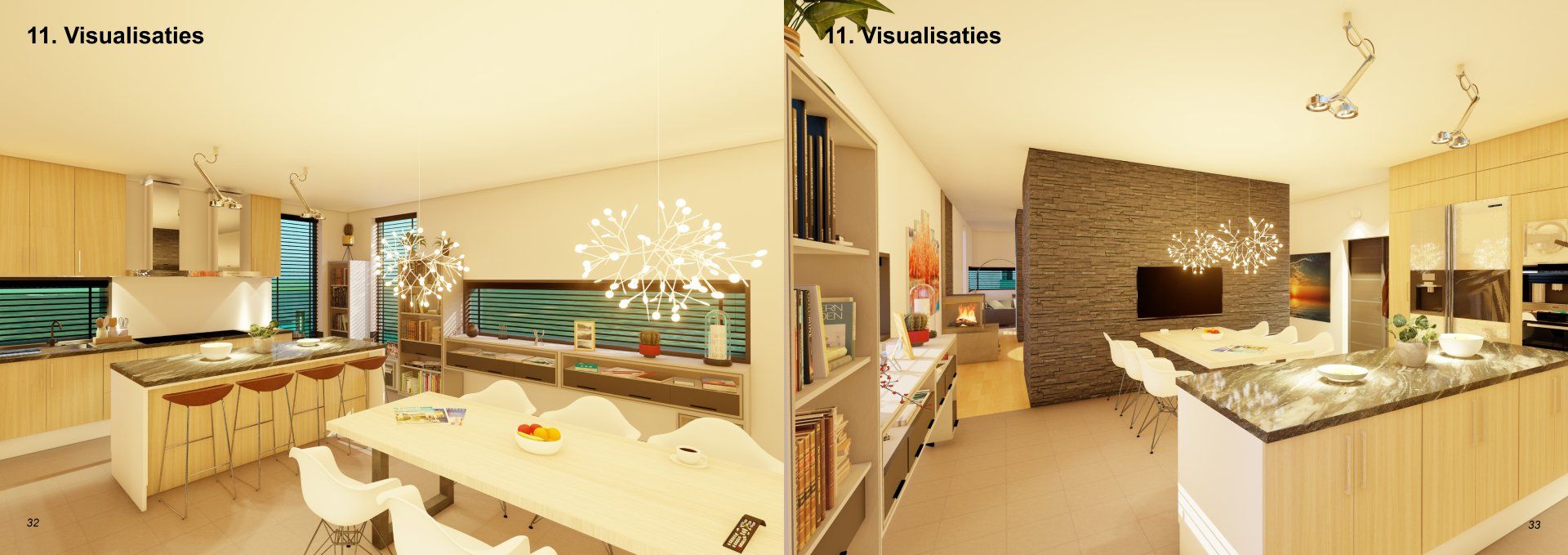
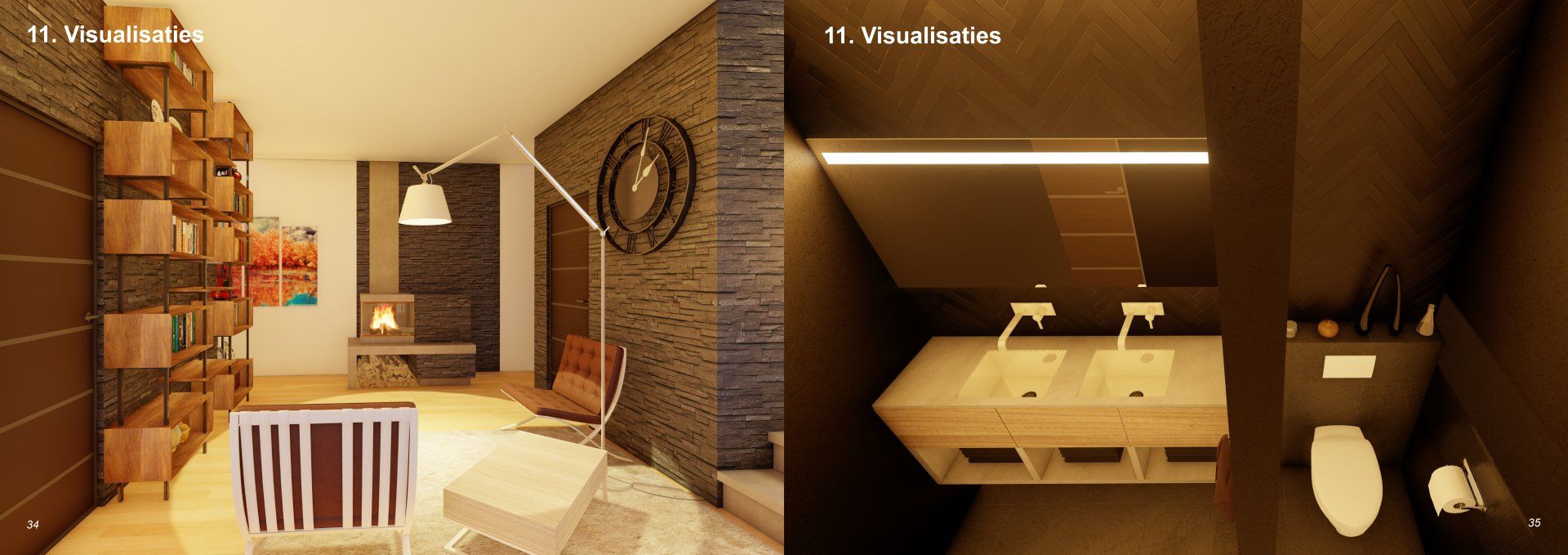
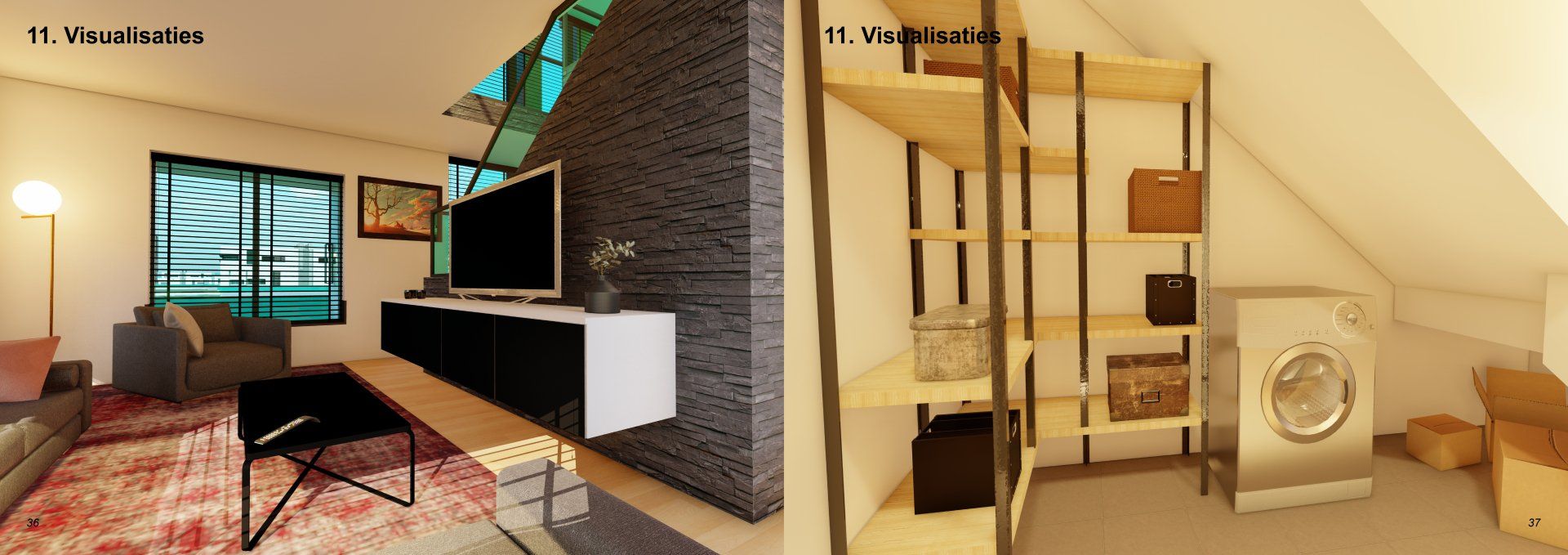
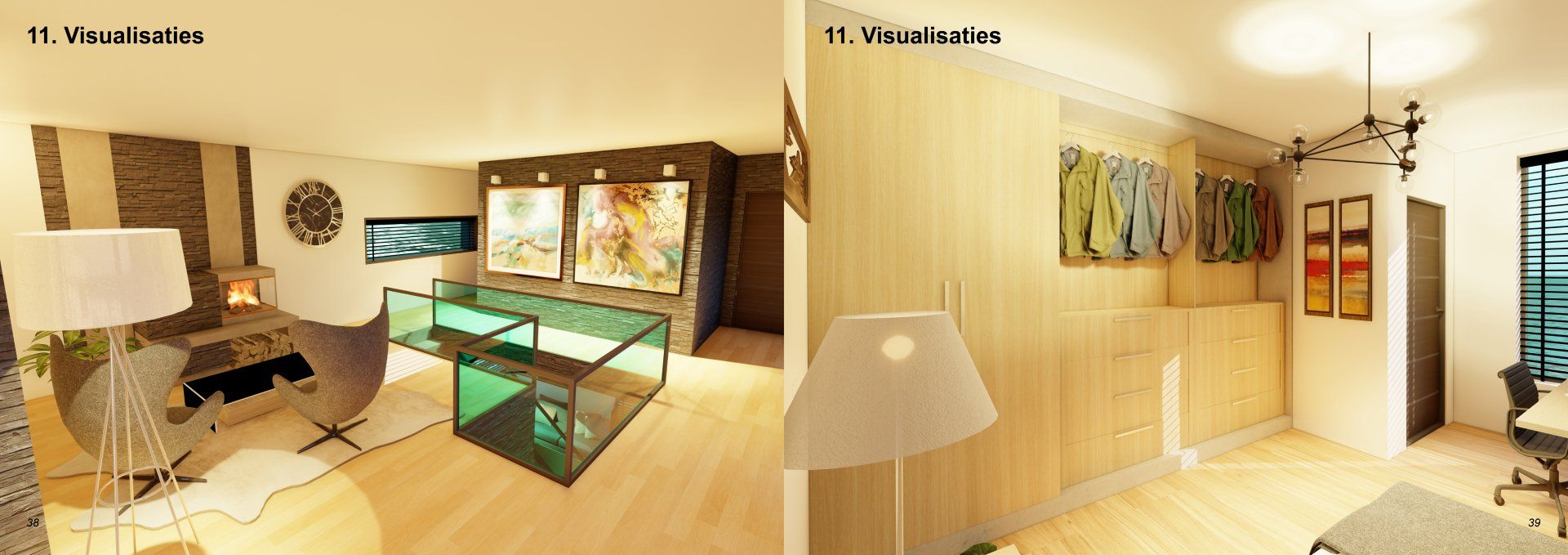
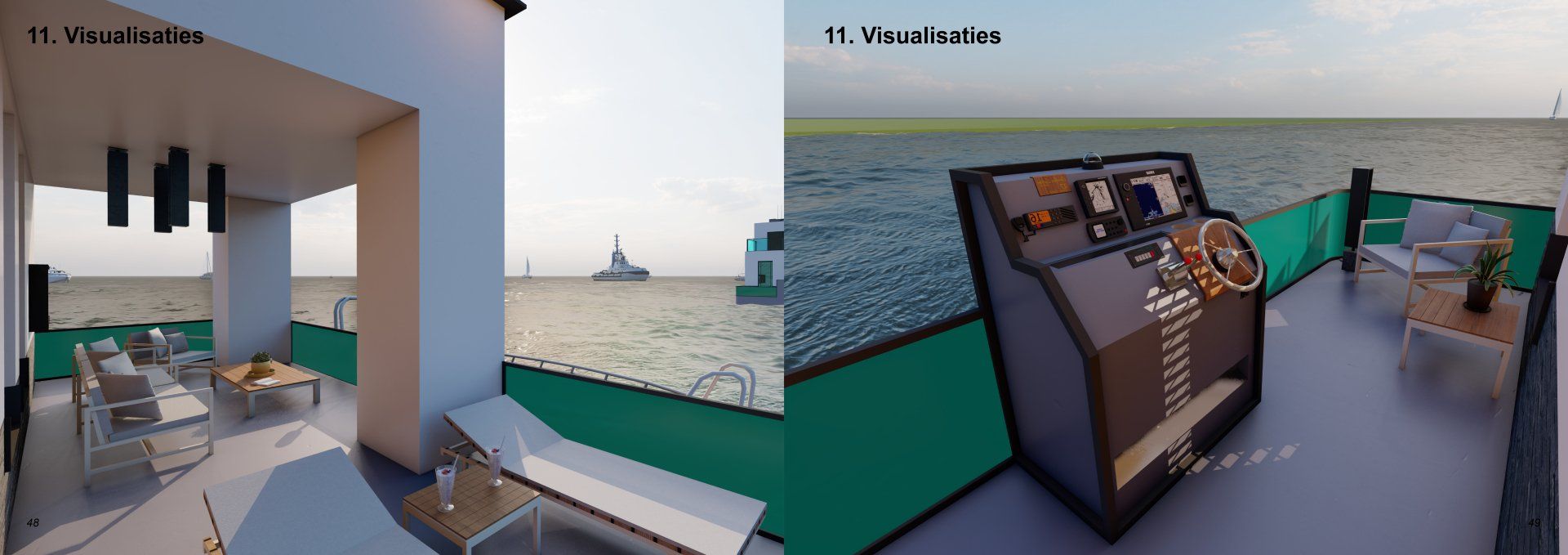
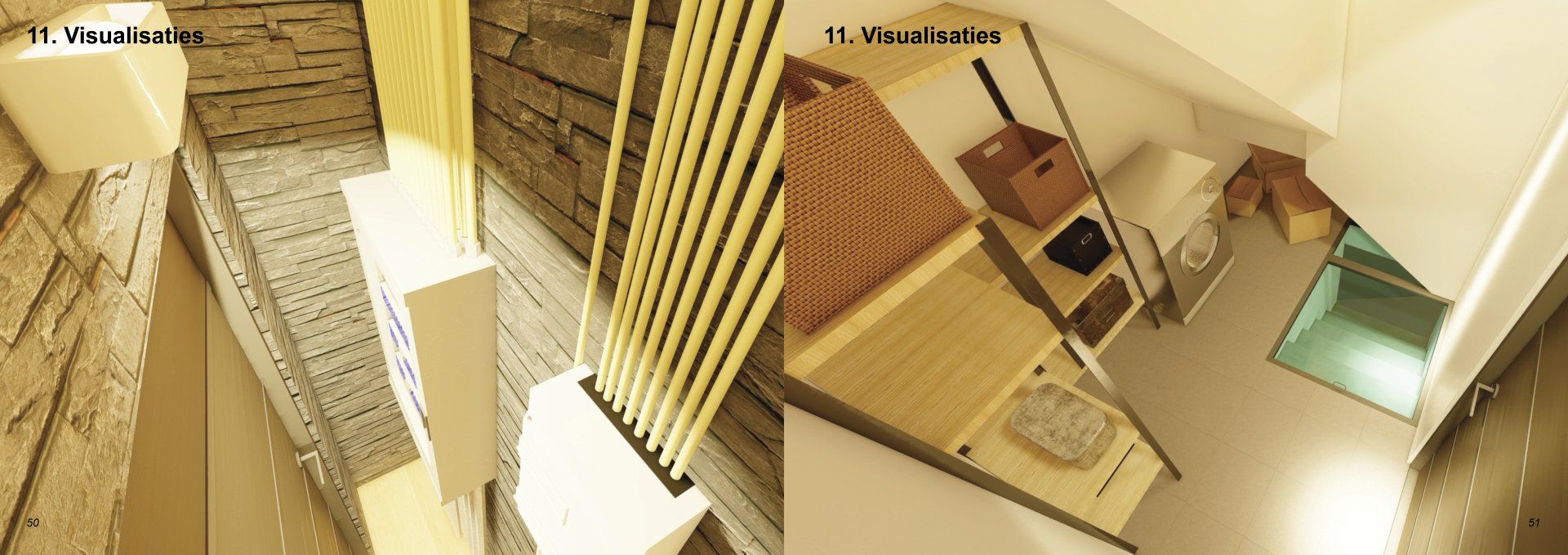
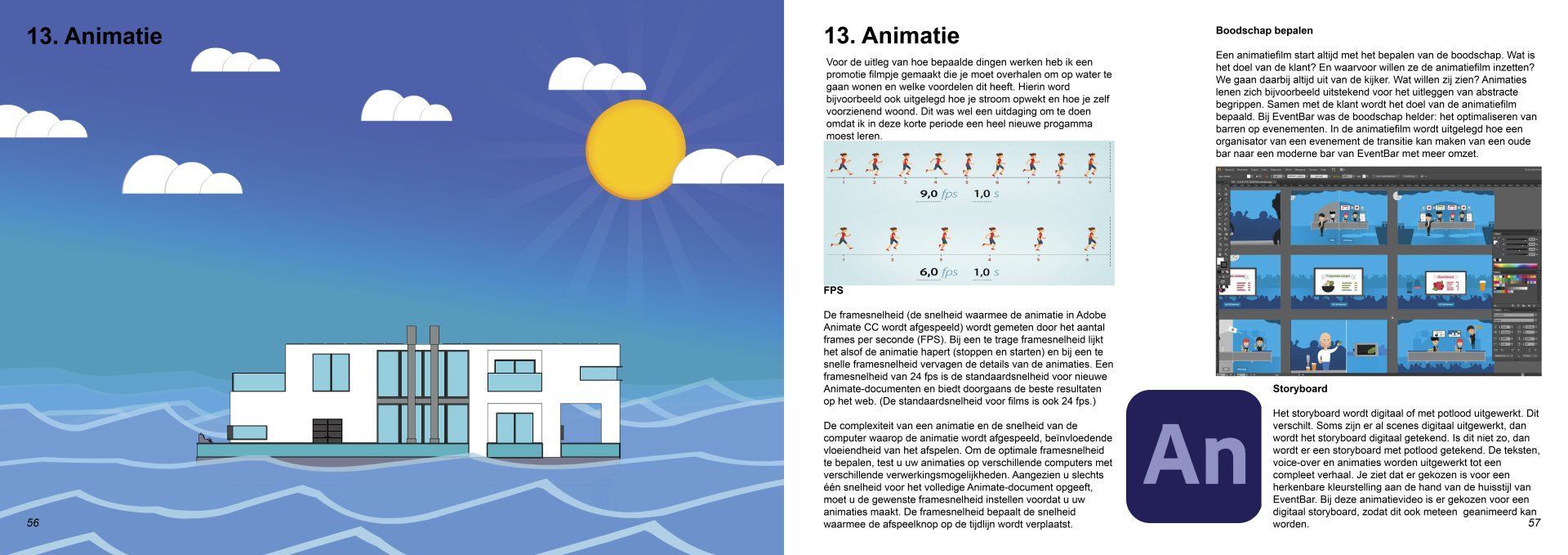
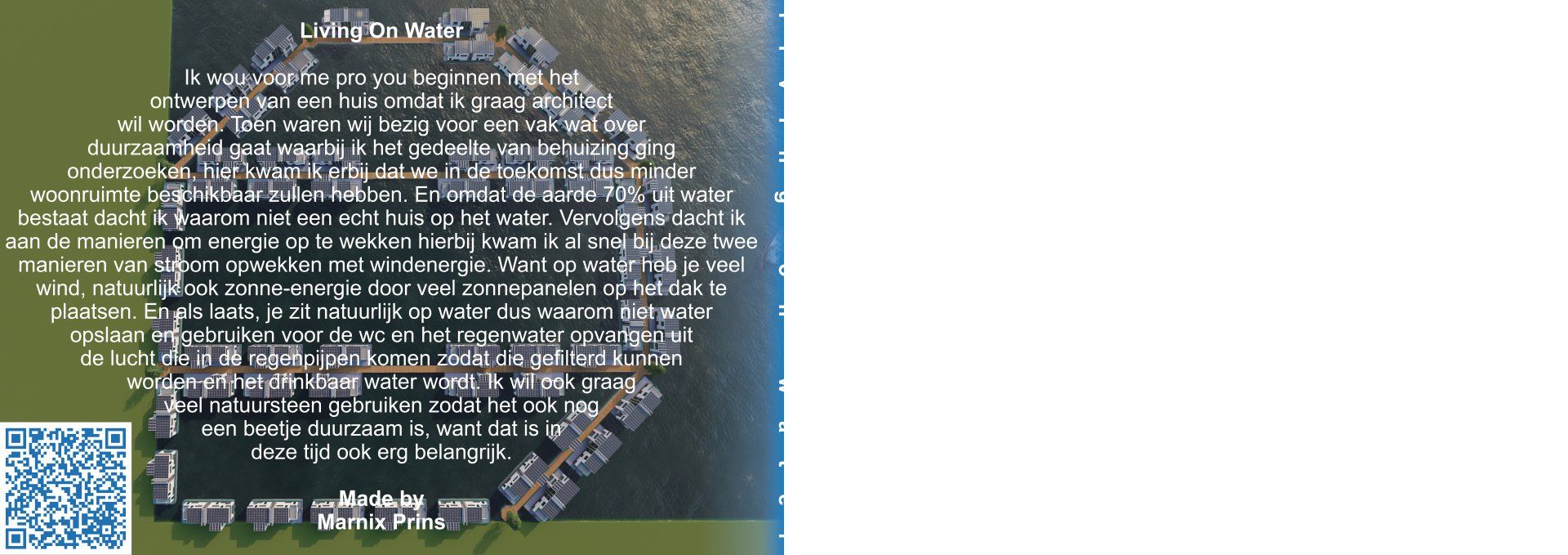
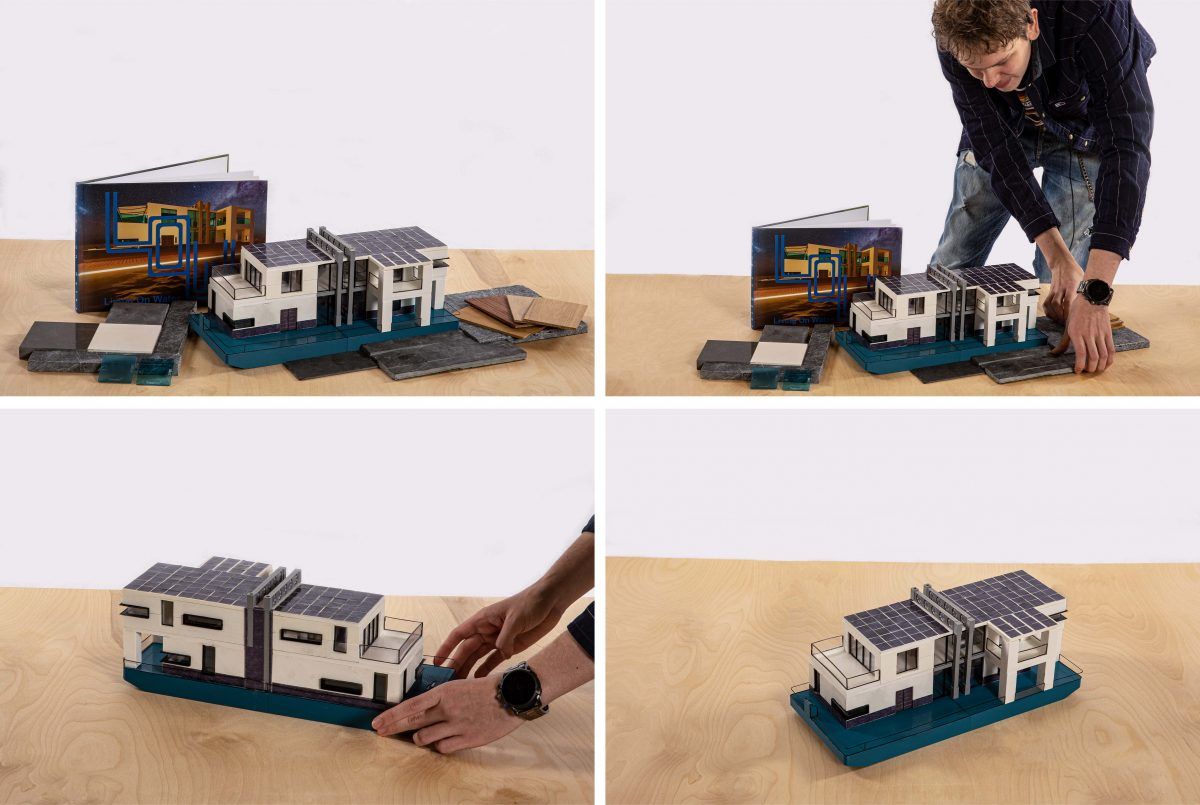
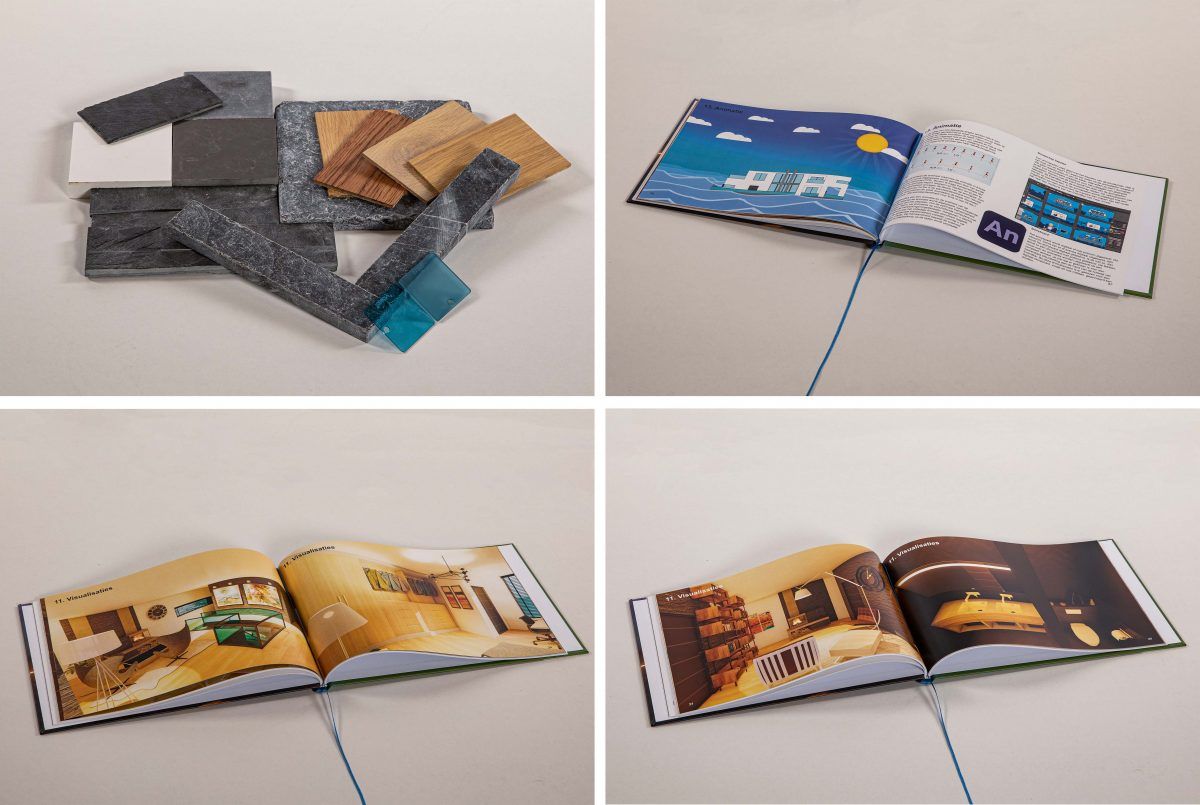
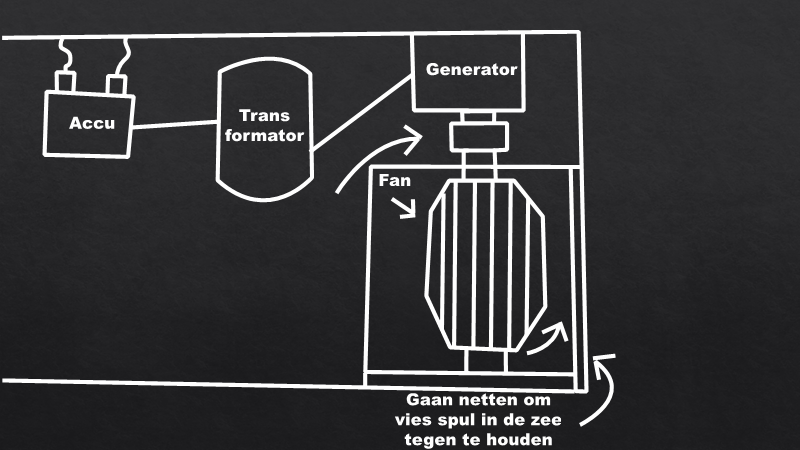
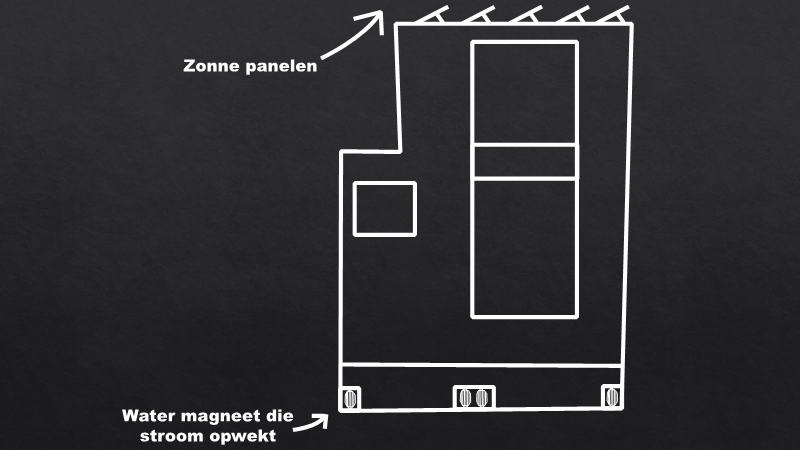
In the future, we will have reduced living space, which is why I conceptualized a house on the water. I also considered methods for generating energy and collecting water for reuse later. Additionally, I focused on incorporating natural materials.
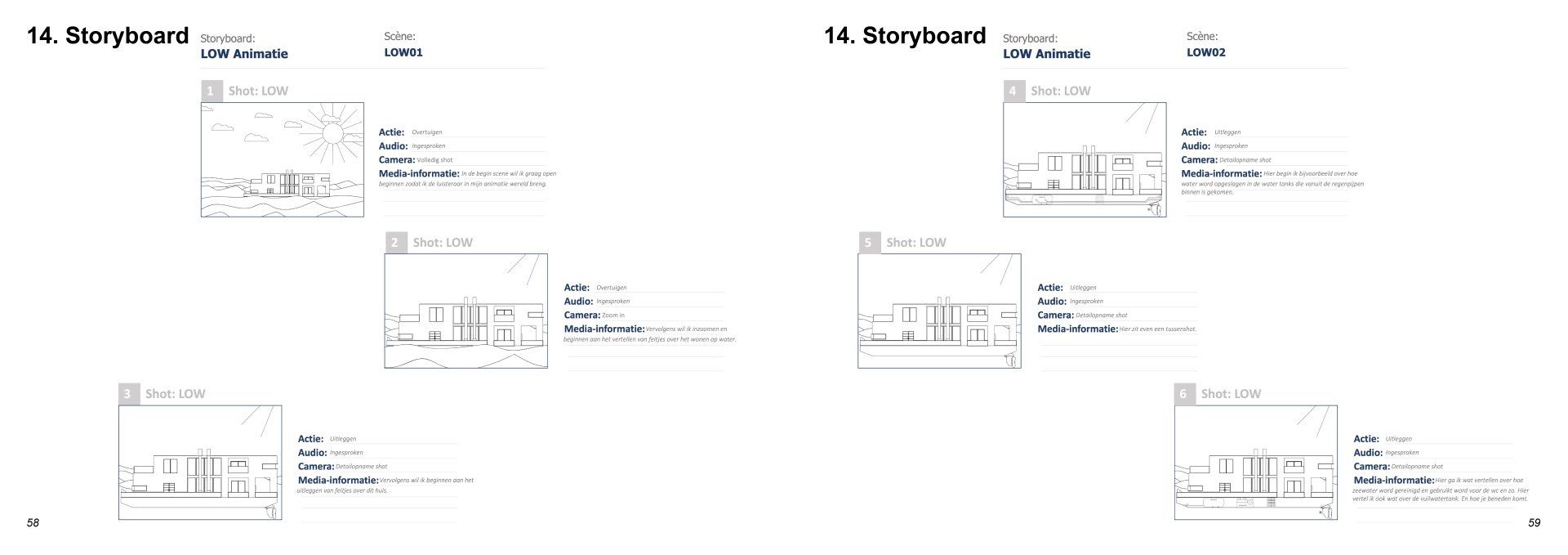
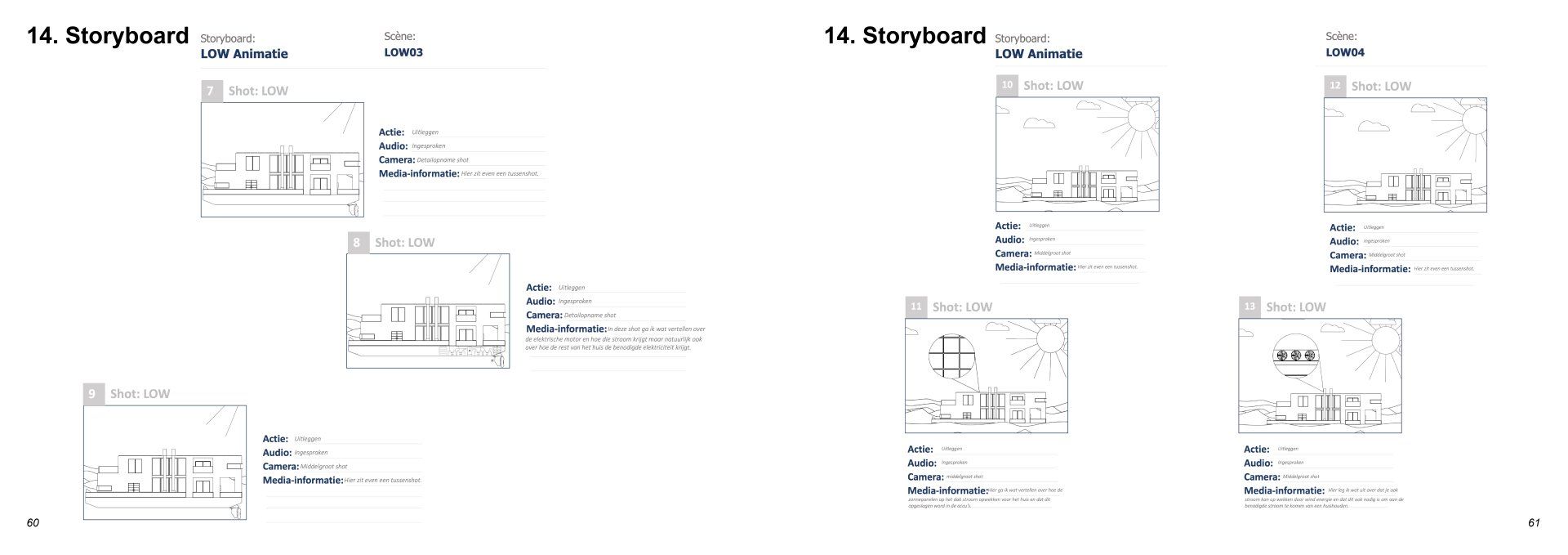
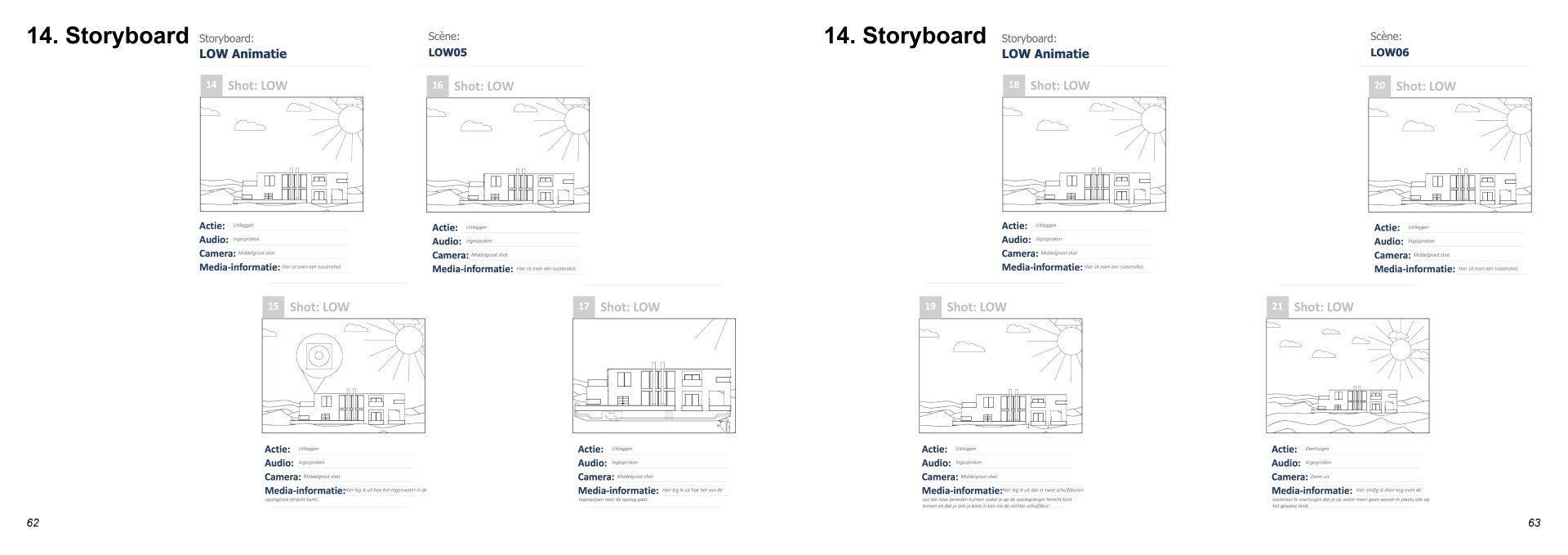
From this point, I began my HBO research, which I connected to my project. I explored animation techniques suitable for HBO and incorporated these elements into my project as a promotional and informational video. This proved to be challenging, as I had to learn a new program within six months, but I am genuinely proud of what I have achieved.
In this process, I have created a storyboard accompanied by a script outlining the key points I wish to convey in my promotional video. Additionally, I have envisioned the appearance of the scenes and estimated the overall duration of the video.
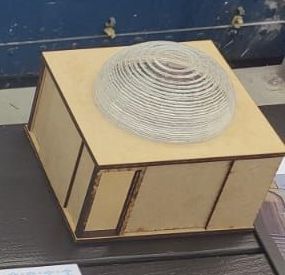
After printing the model in various colors and thoroughly reviewing it with Cura, I also purchased a sheet to use for the glass. This marks my first experience with creating a 3D printed model, and it required more effort than I anticipated, but it also provided me the opportunity to acquire numerous new skills.
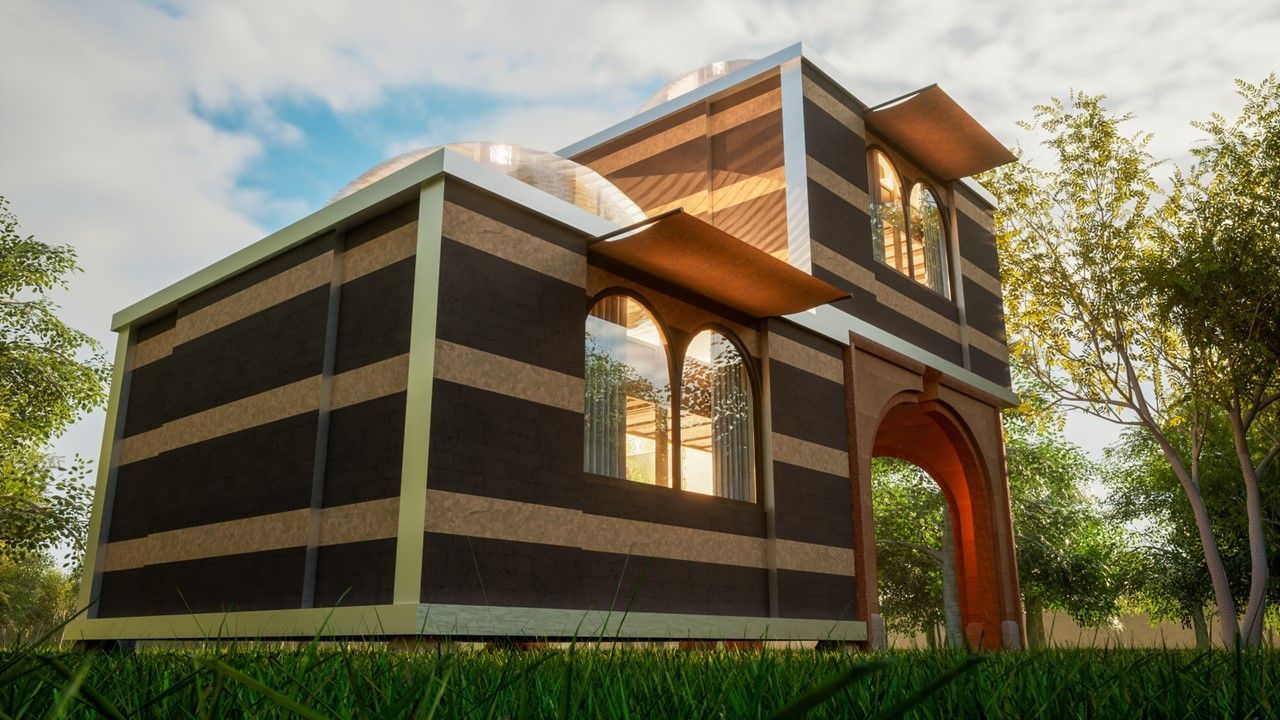
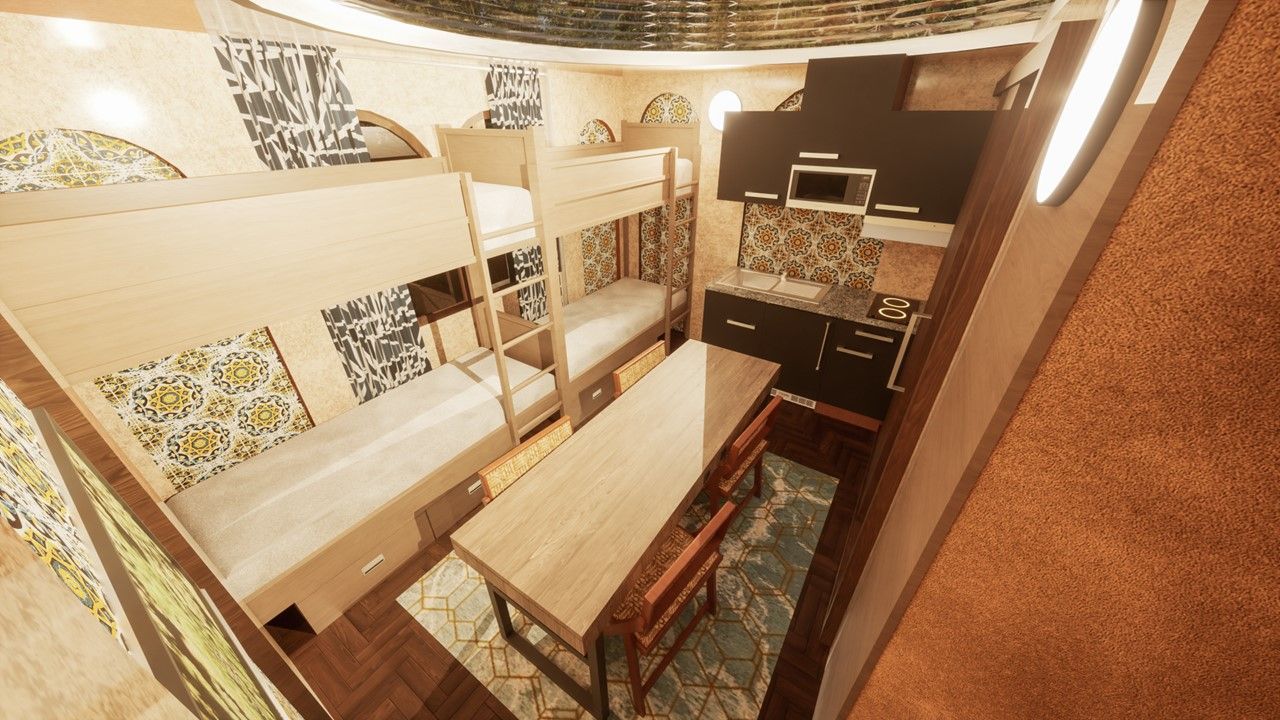
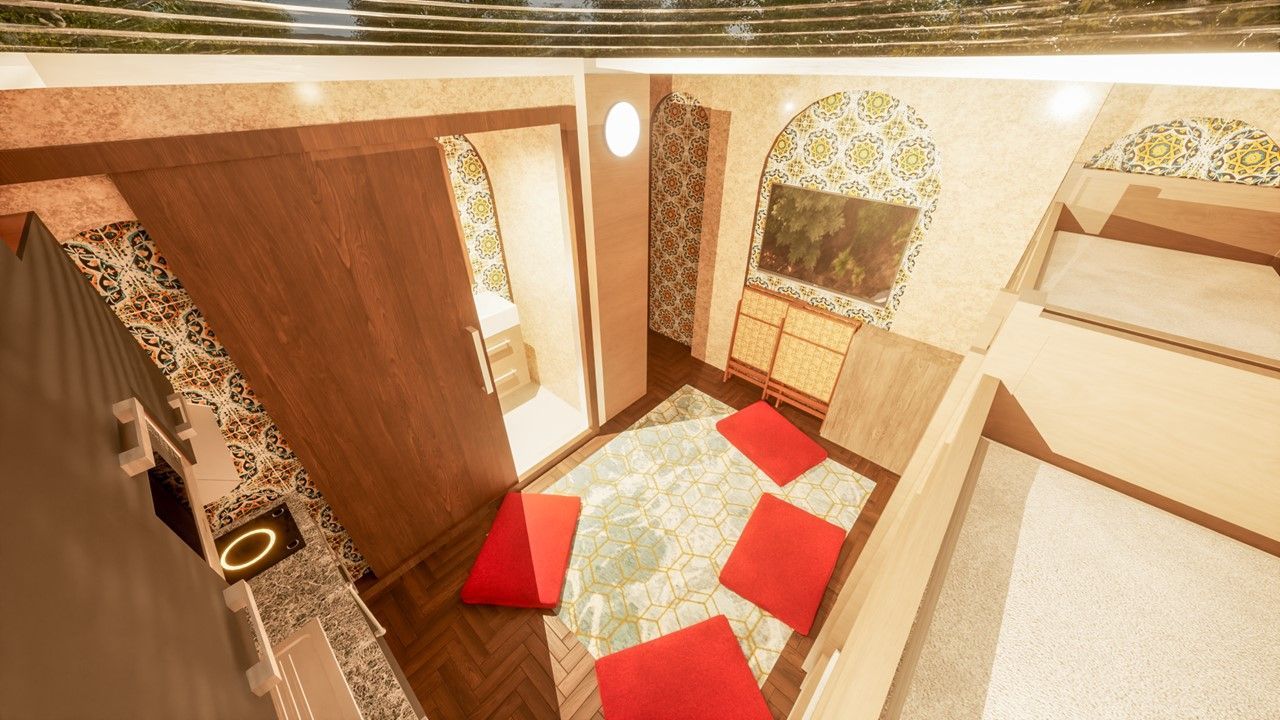
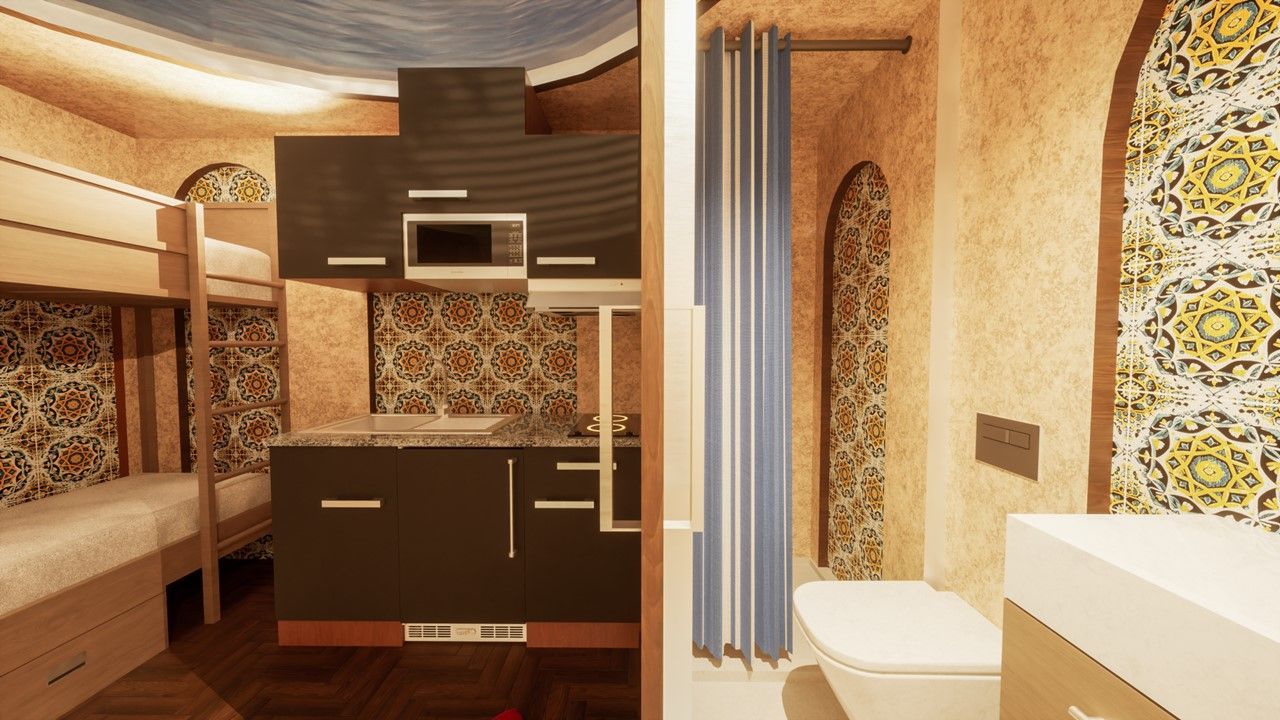
The modular village
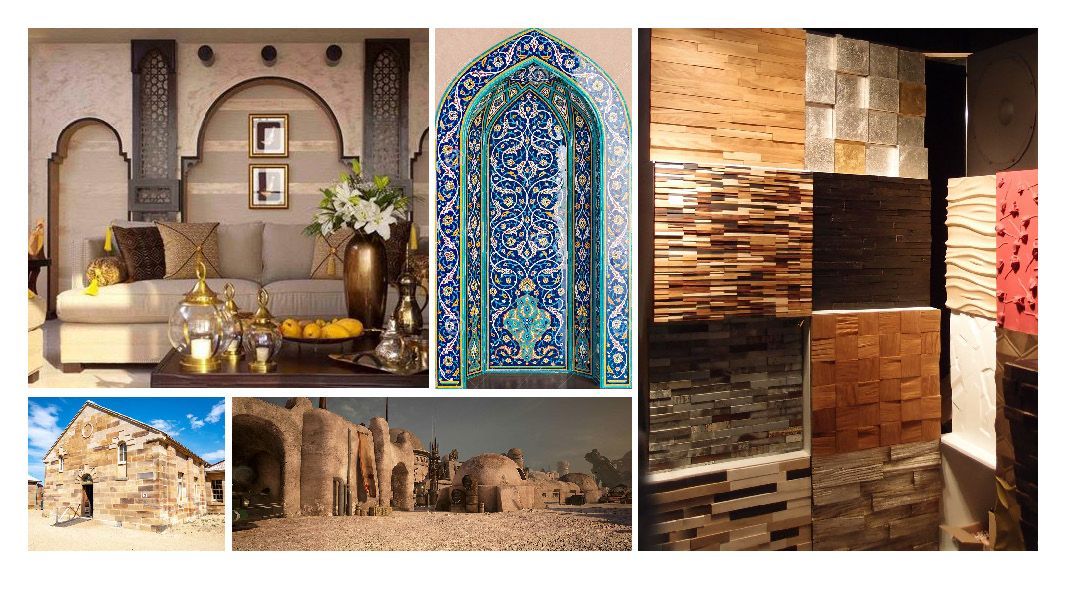
I have created a design for a modular wall system suitable for implementation in existing spaces, like an unoccupied office building or a vacant hotel. This system allows for the swift and effortless installation of walls. Rather than opting for circular designs, I opted to highlight the existing round architecture.
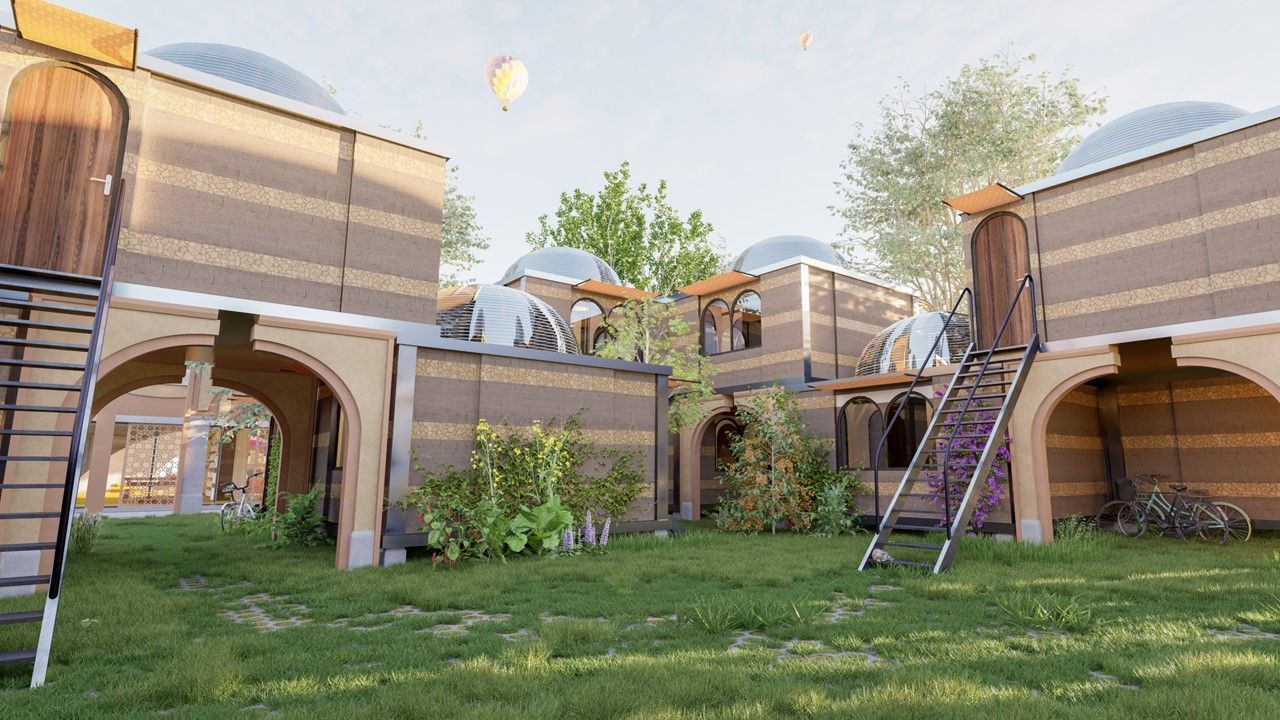
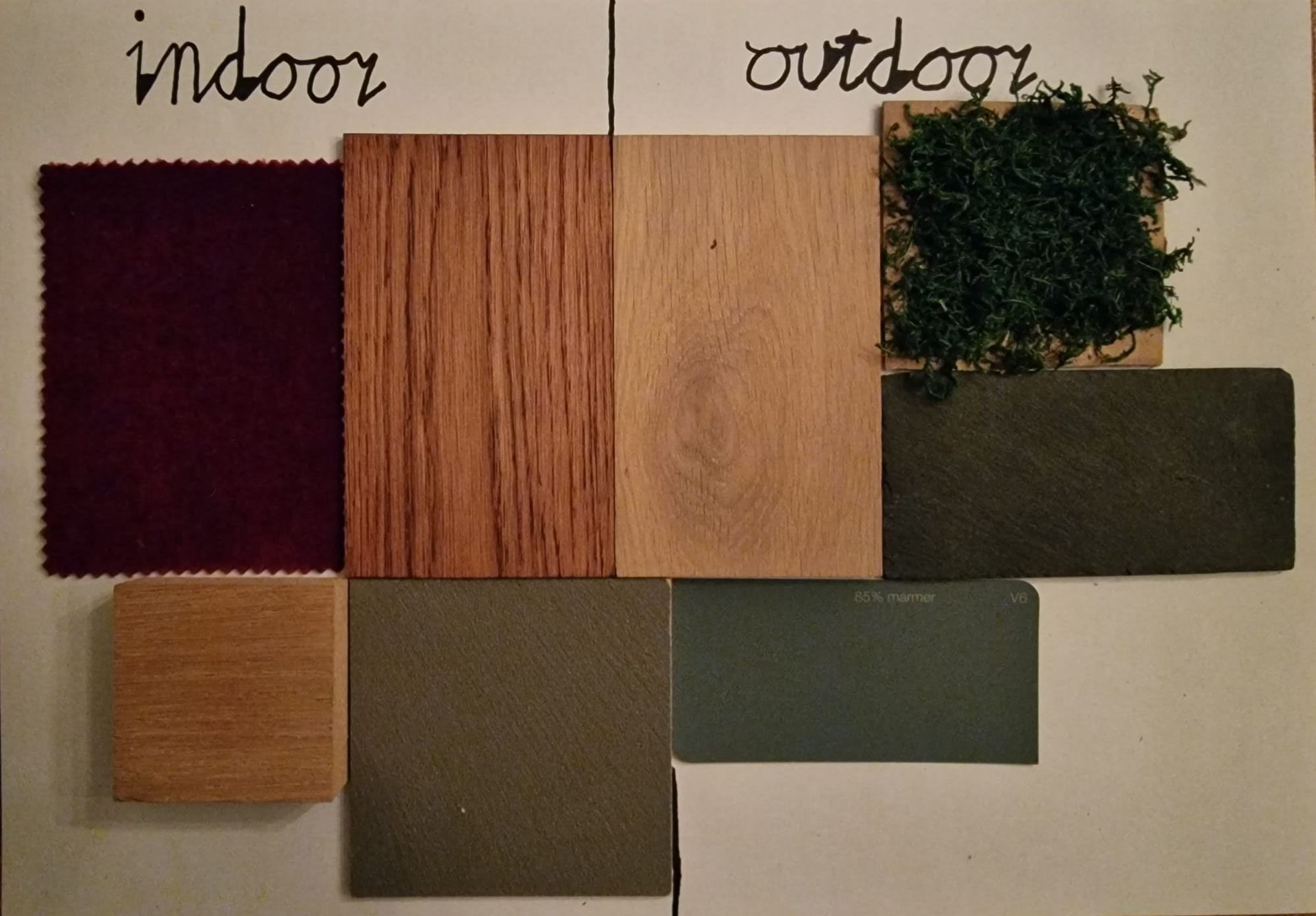
This leads to a final form resembling an open castle, where the emphasis is on spaciousness while simultaneously fostering a sense of connection through their interlinking. My selection of materials is guided by the colors I painted for both the exterior and interior.
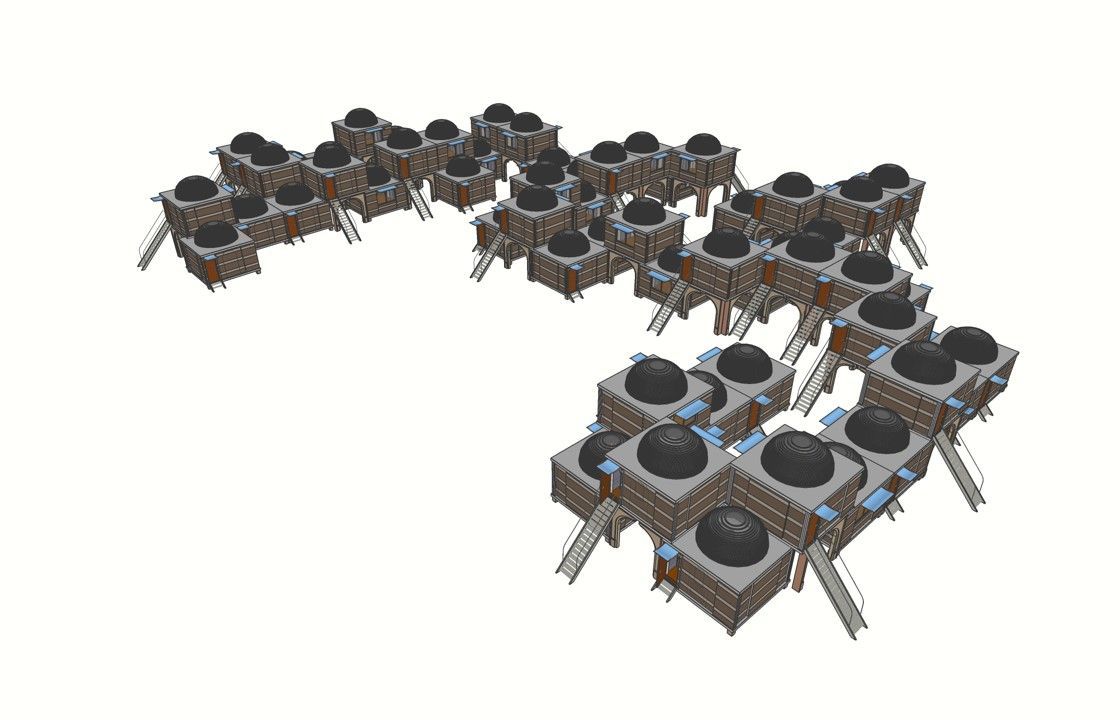
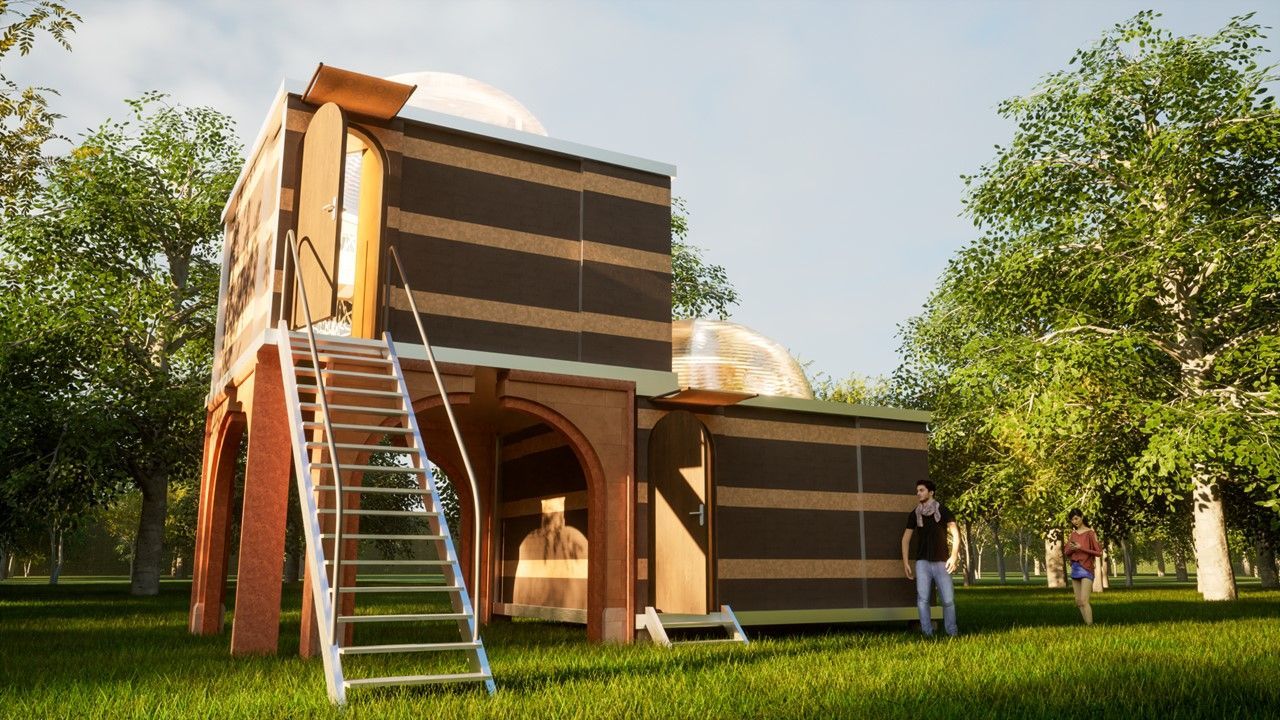
This idea can similarly be implemented on a vacant lawn by linking the four walls with a floor and roof, thereby allowing the system to be utilized without an existing site. Following various shape studies, I found that by reducing the size of the dome slightly, it's possible to position the other houses atop it.
To create a village inspired by a castle grid, I initially focused on designing it in a structured manner by arranging rows closely. However, through experimenting with various configurations, I found that a more playful arrangement fosters greater inclusivity among the modular housing for both refugees and students.
The travelers meets a tea house
A restaurant nestled in the trees, shaped like a heart. It offers a stunning view of the beautiful surroundings from above.
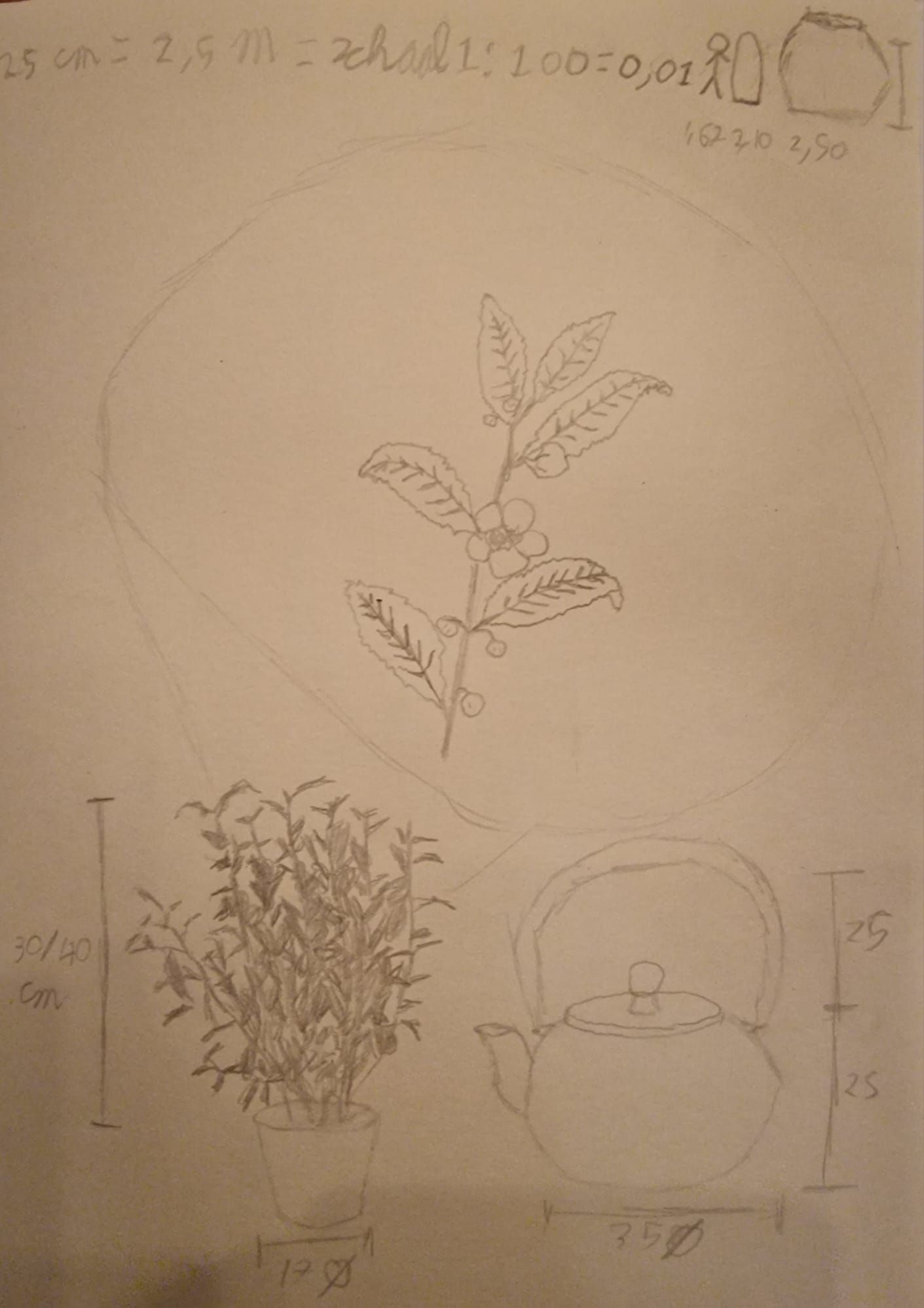
Tea house with Japanese influences, situated at the edge of a forest and adjacent to a city. This space is designed for people to connect and engage with one another. Its purpose is singular, as multiple uses would create chaos. It serves as a venue for meet-and-greet activities, signaling a shift in its function. The structure and layout of the space emphasize the presence of plants, utilizing wood and abundant greenery to create an inviting ambiance. The design should embody warmth, with a heart-shaped configuration to enhance the sense of comfort. A thoughtful layout will encourage meaningful interactions and promote complementary themes. The teahouse will also embody the contrast between night and day, enhancing its atmospheric qualities.
I began crafting my poem, and one word emerged consistently as the heart of the narrative: "a mighty heart," which I will elaborate on later. The poem has its roots in Japan, and in my quest to create a gathering space for connections, I quickly envisioned a Japanese tea house. Having frequently worked with natural materials, I was inspired to represent my bowl as a houseplant, while remaining mindful of the tea theme—hence, I chose a tea plant repotted in a teapot. All the materials I utilized are natural. Furthermore, I expanded on the concept of the mighty heart through ten translations of the poem. I also crafted a single heart, as it most beautifully encapsulates the essence of the story, which is why I chose a heart shape for it.
Green East
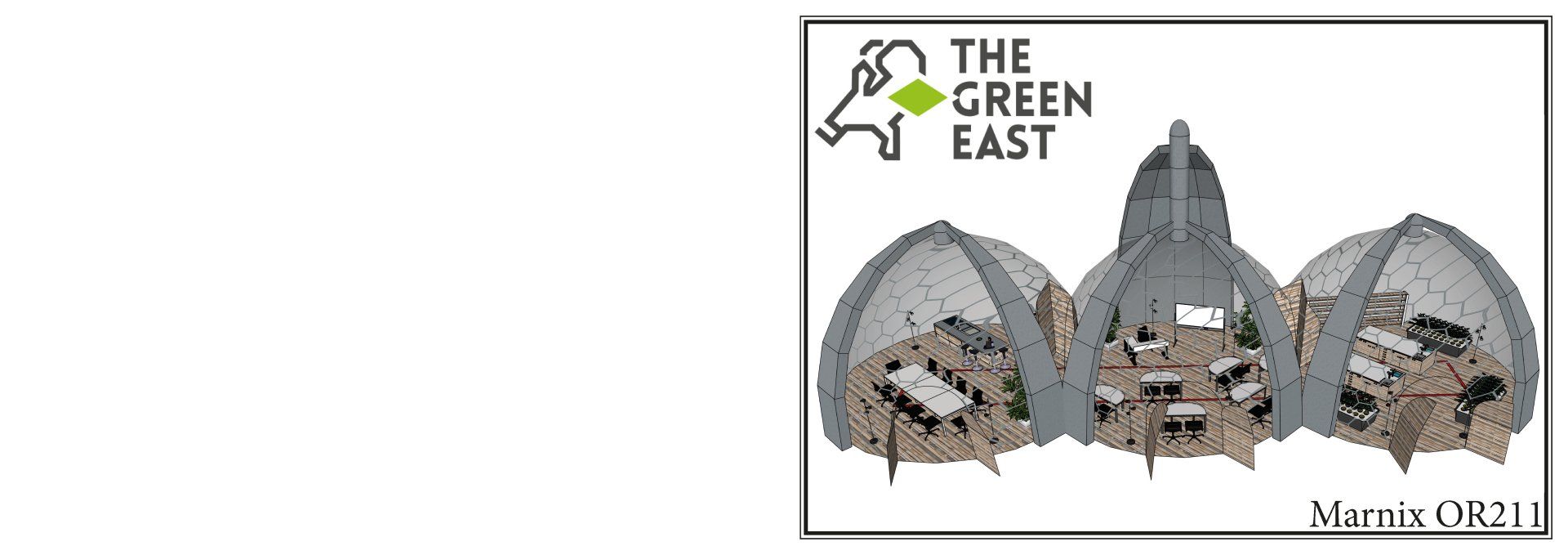
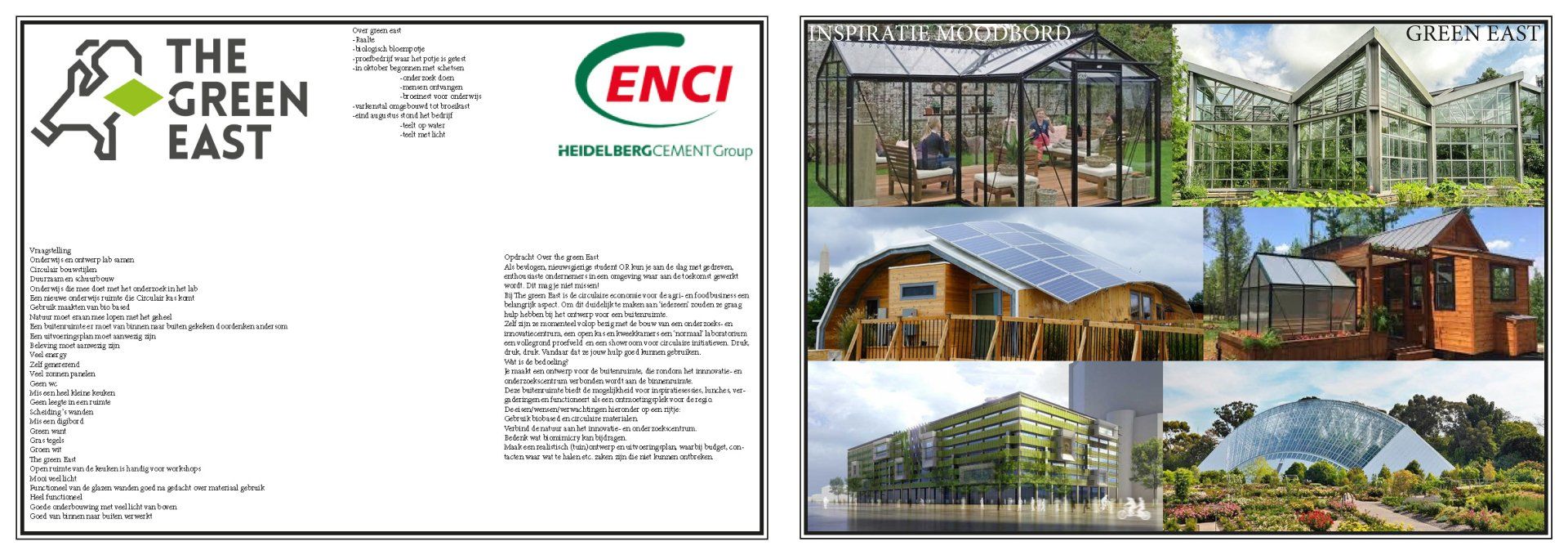
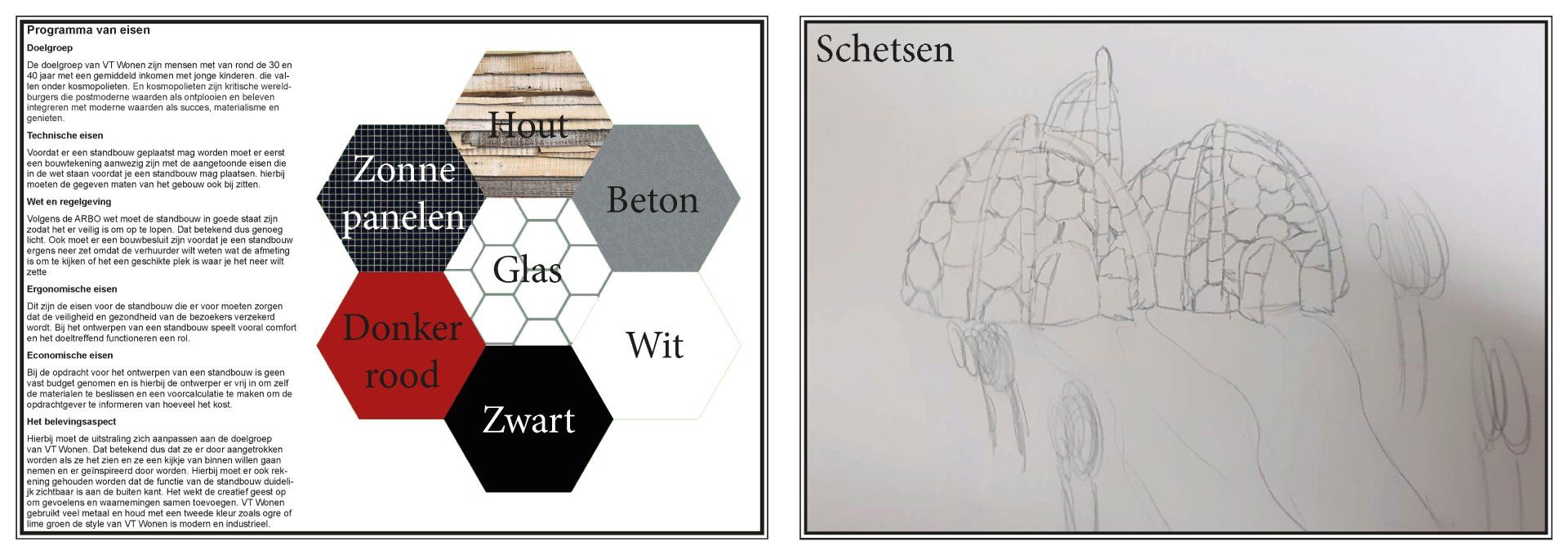
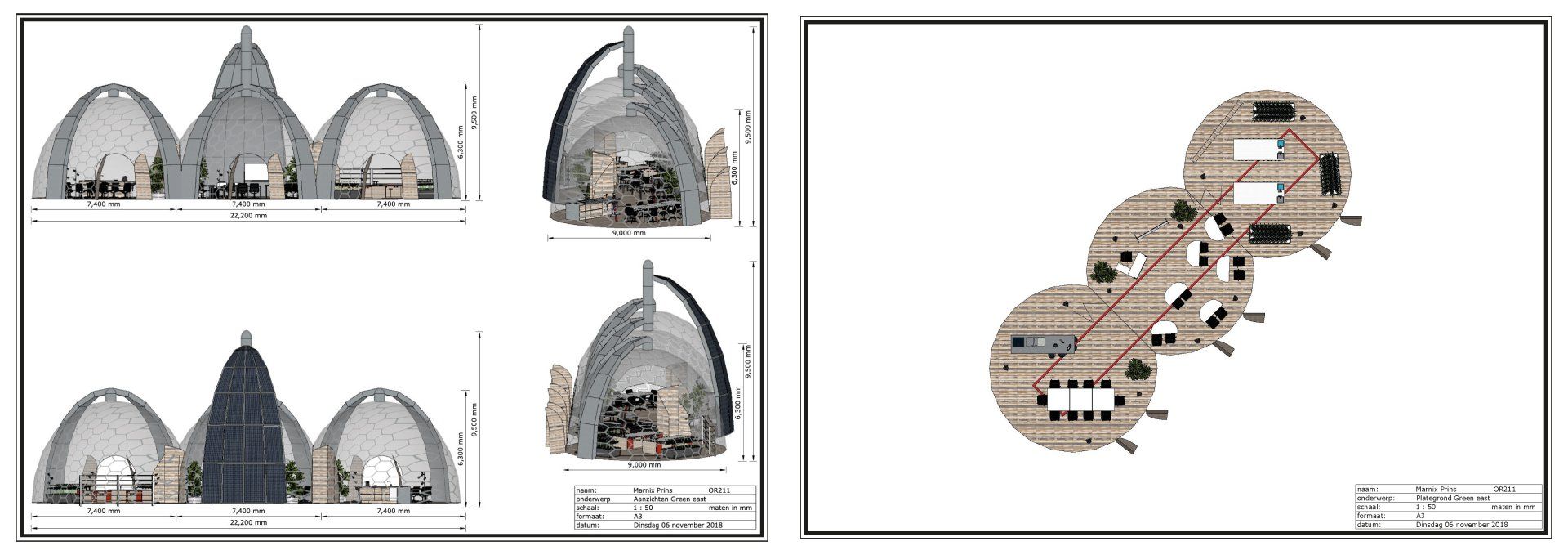
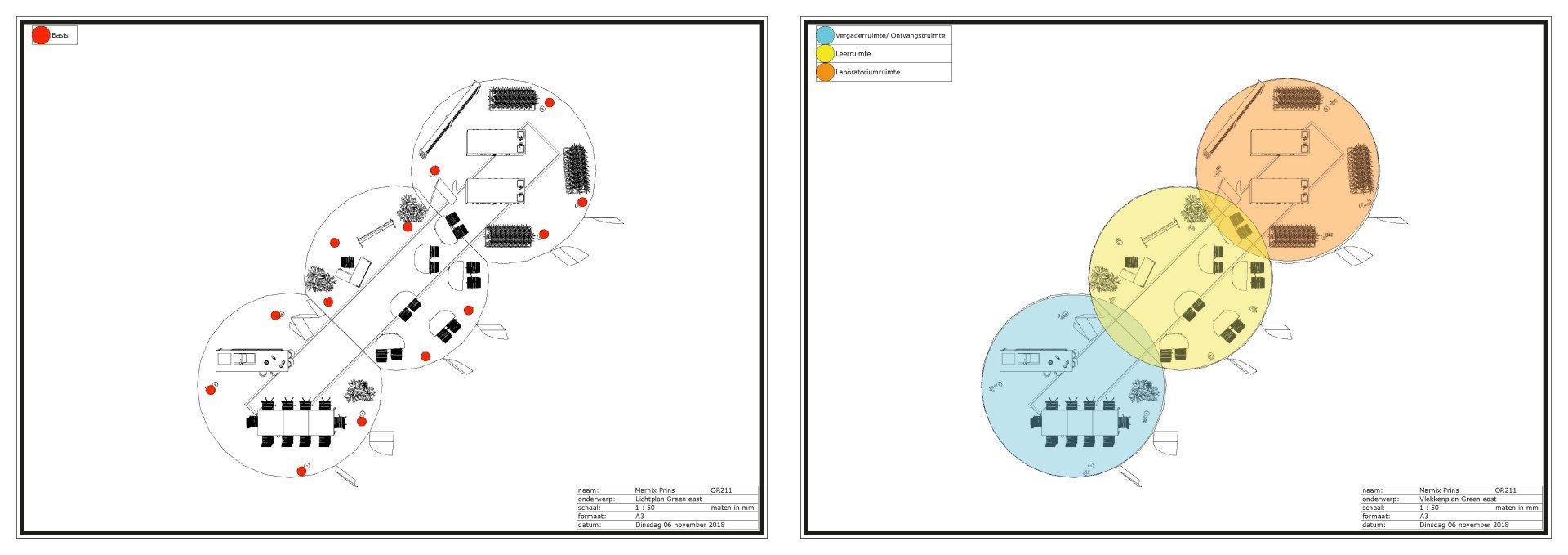
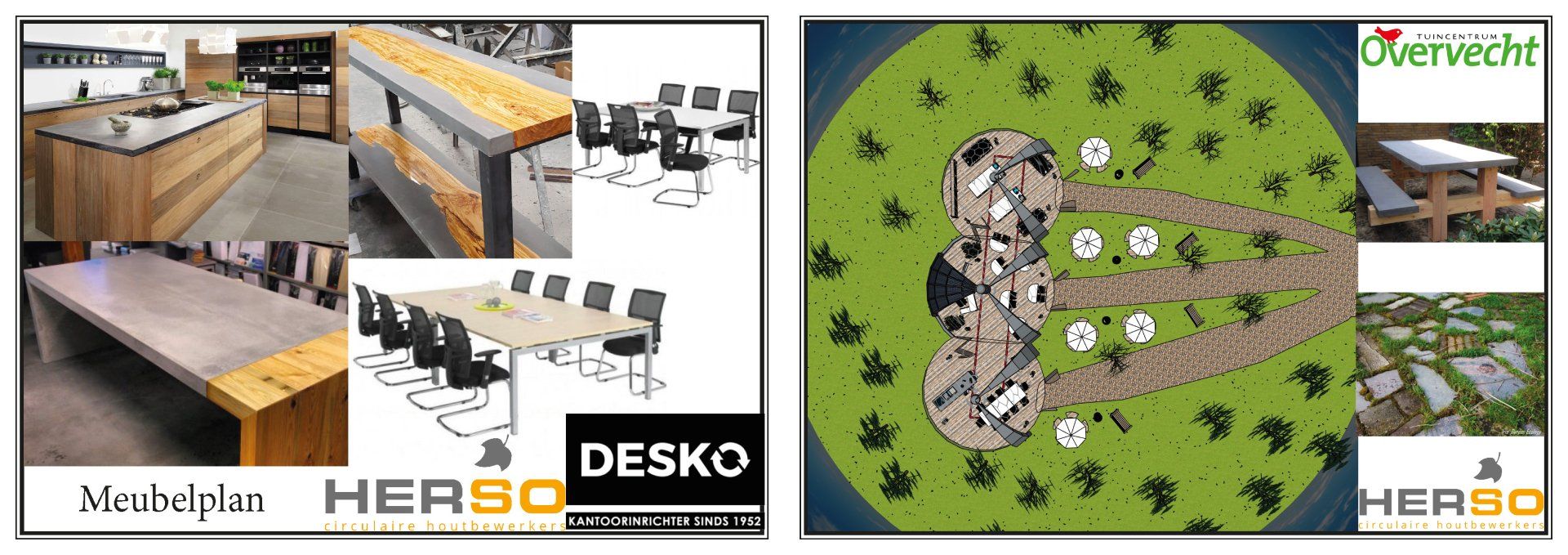
I crafted a glass dome for the Green East project, accompanied by a tailored design featuring a unique style guide. This space was required to be accessible, complemented by a thoughtfully designed innovative garden surrounding it. Prior to the establishment of a new educational area, it is essential to have a construction drawing prepared with accurate dimensions. This must adhere to the established requirements outlined in the relevant legislation and secure a building permit. The primary audience for Green East consists of inquisitive and passionate students eager to learn more about the initiative.
Fablab
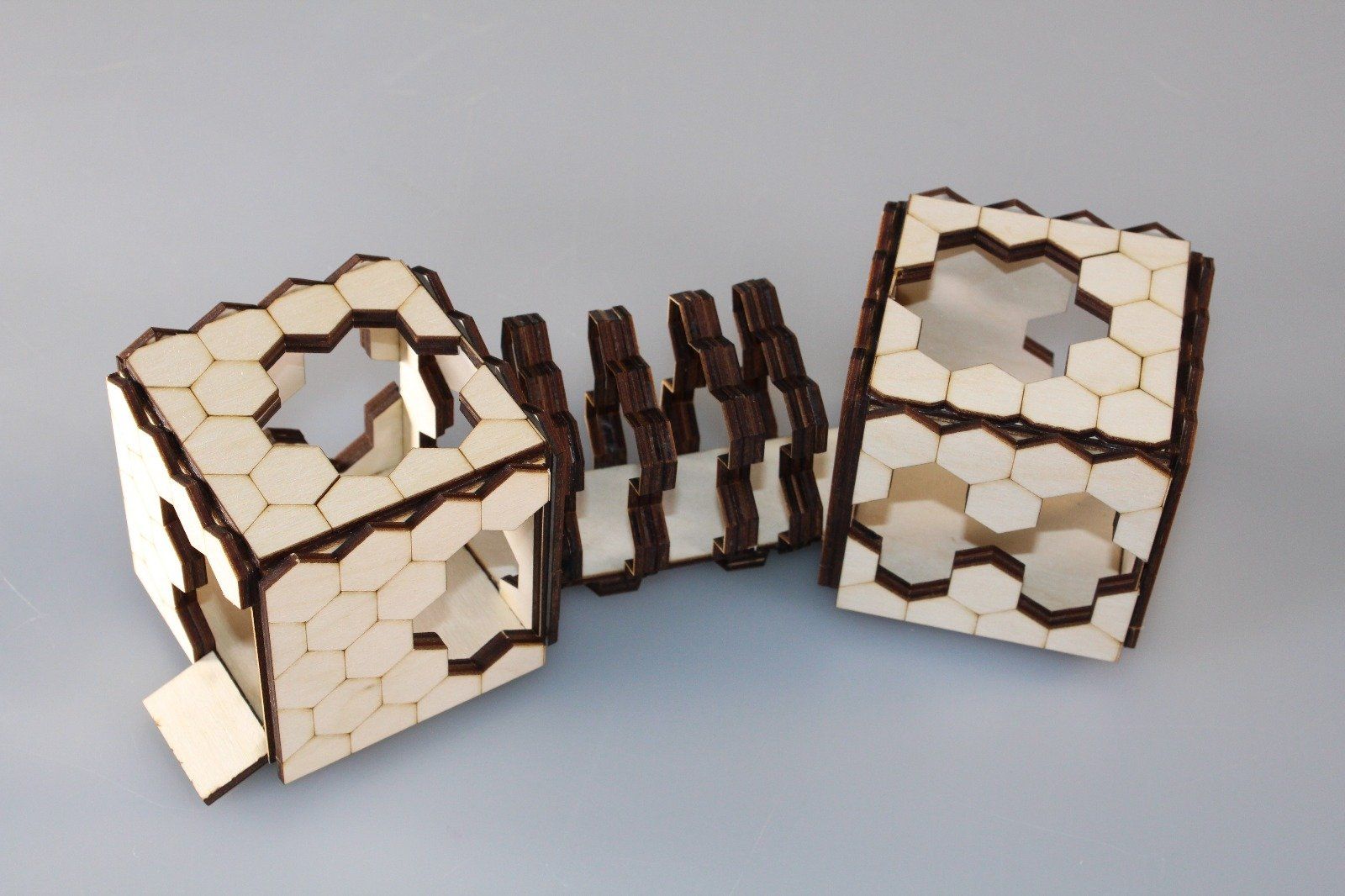
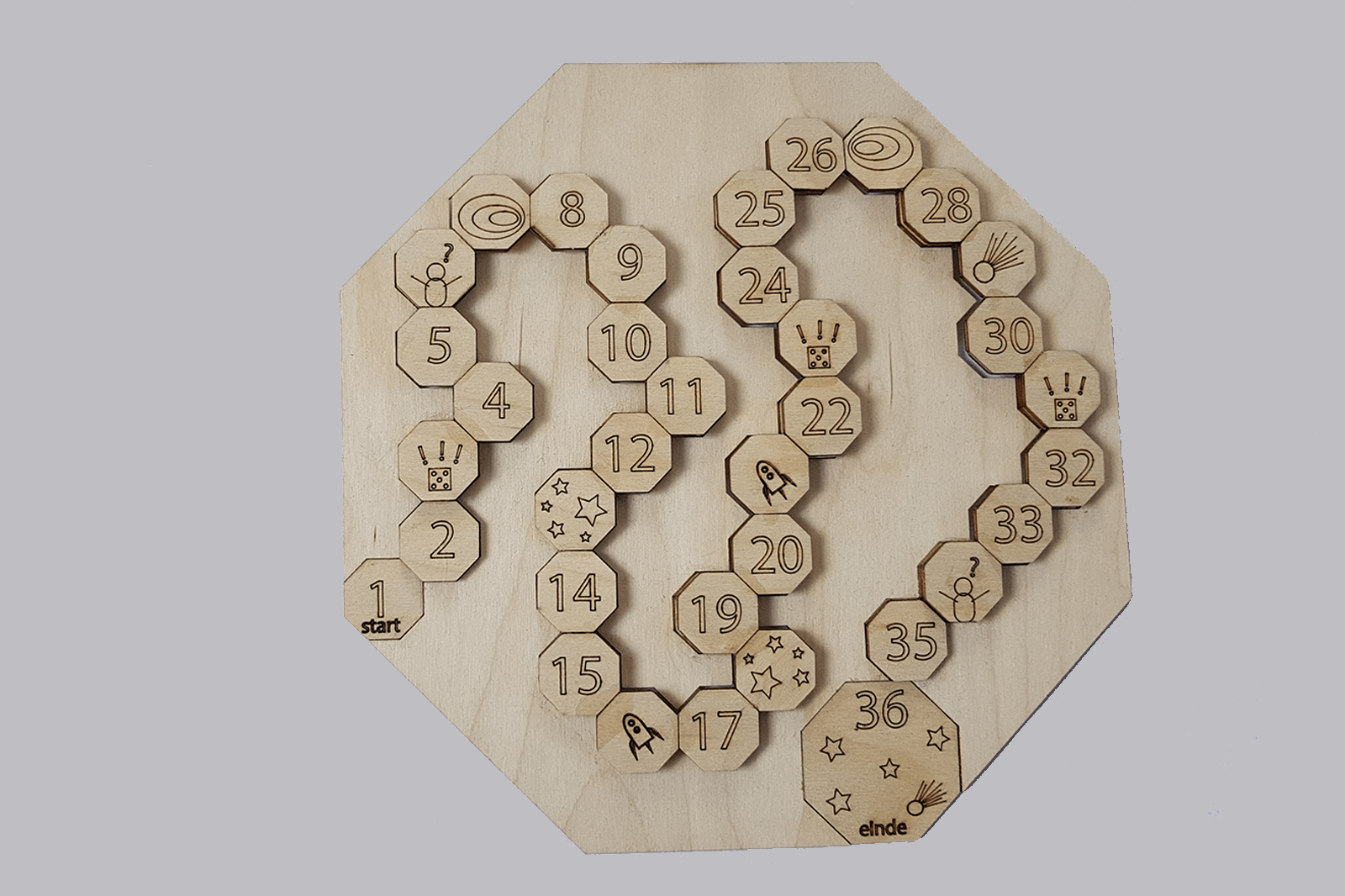
As a team, we have been diligently engaged in the Gamechanger project. Throughout this time, I established a Fablab where visitors can design their own games. Additionally, we have created a card game and a board game that align with the Gamechanger theme. I also constructed a model of the building itself.
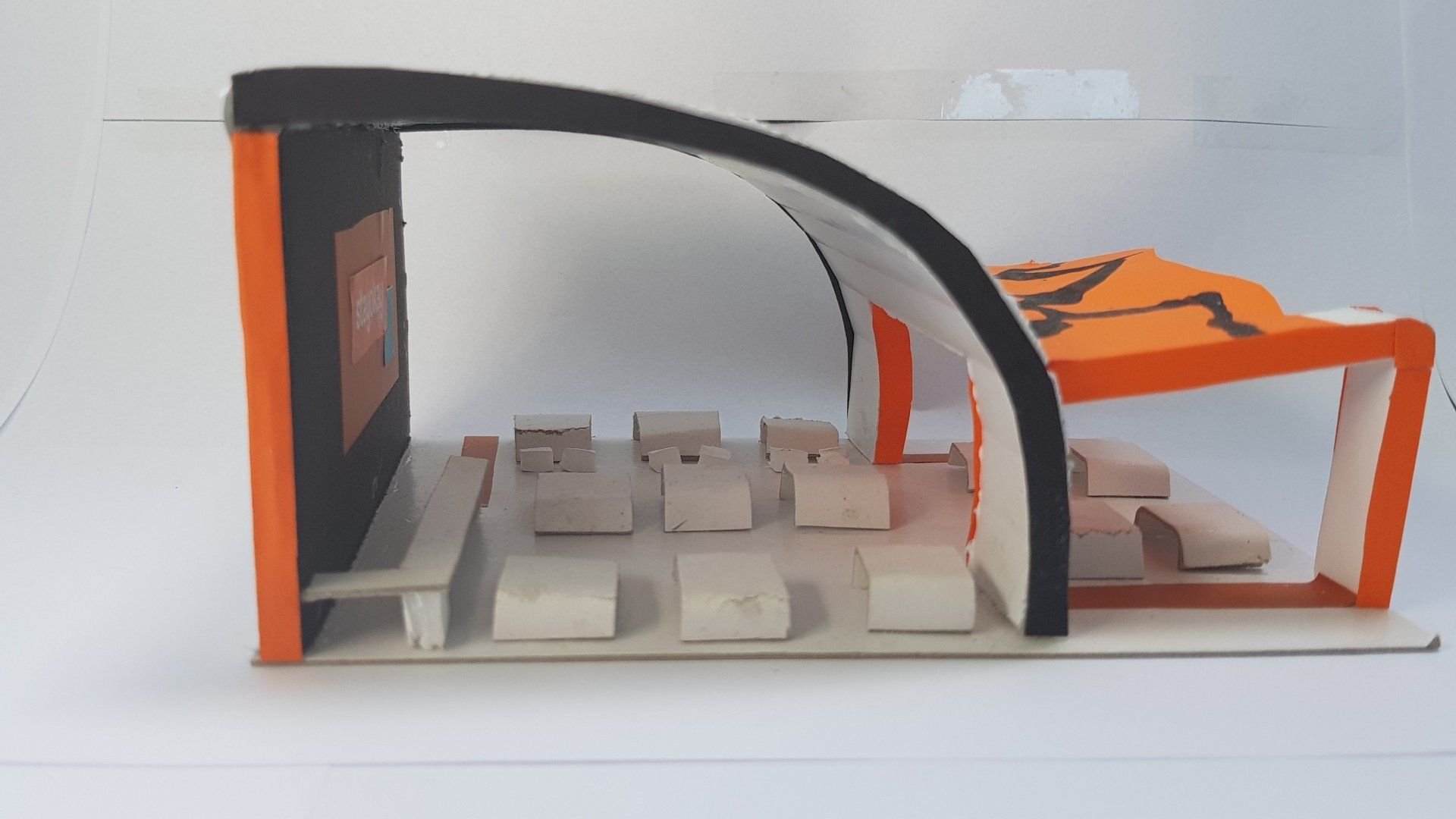
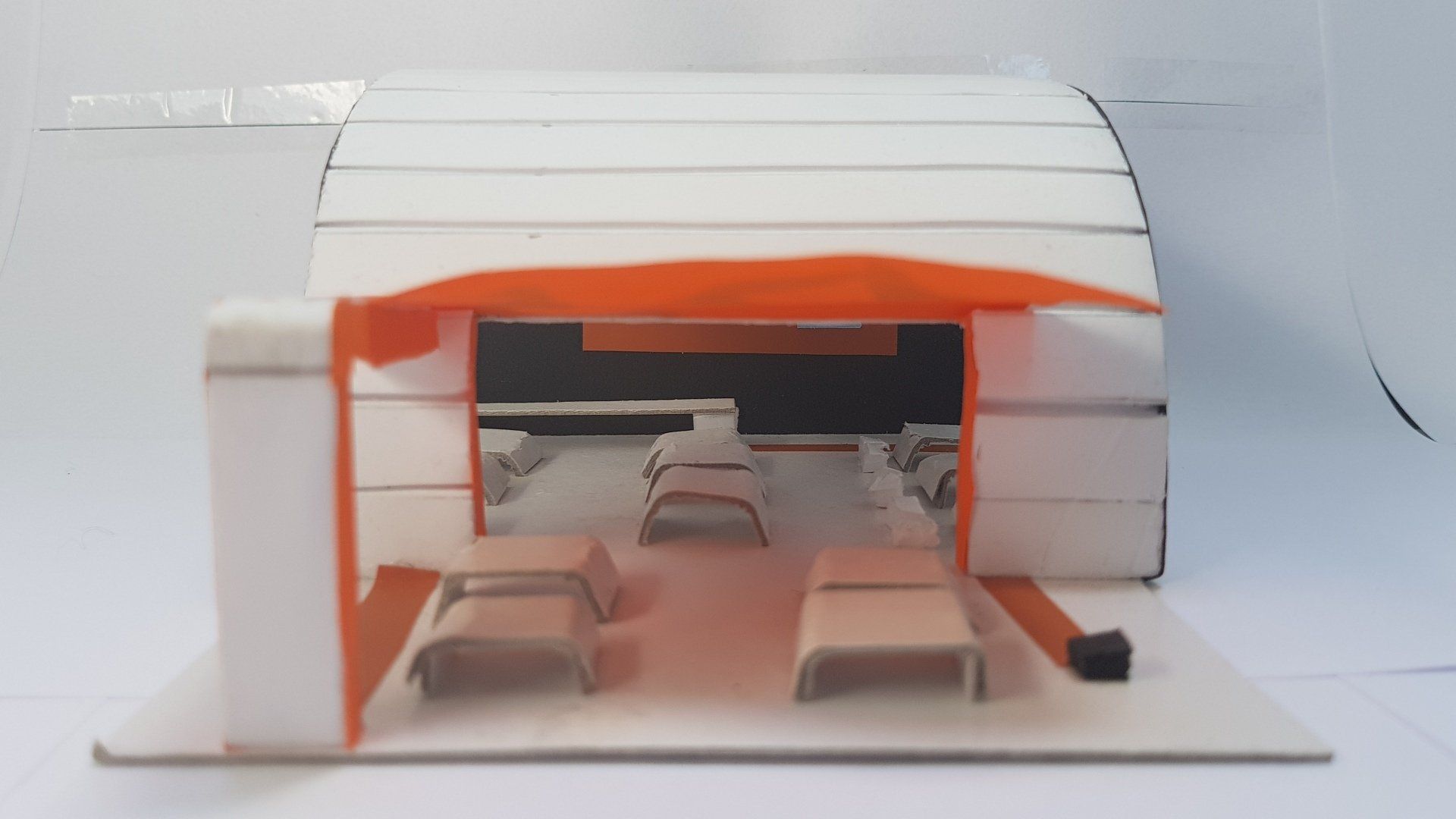
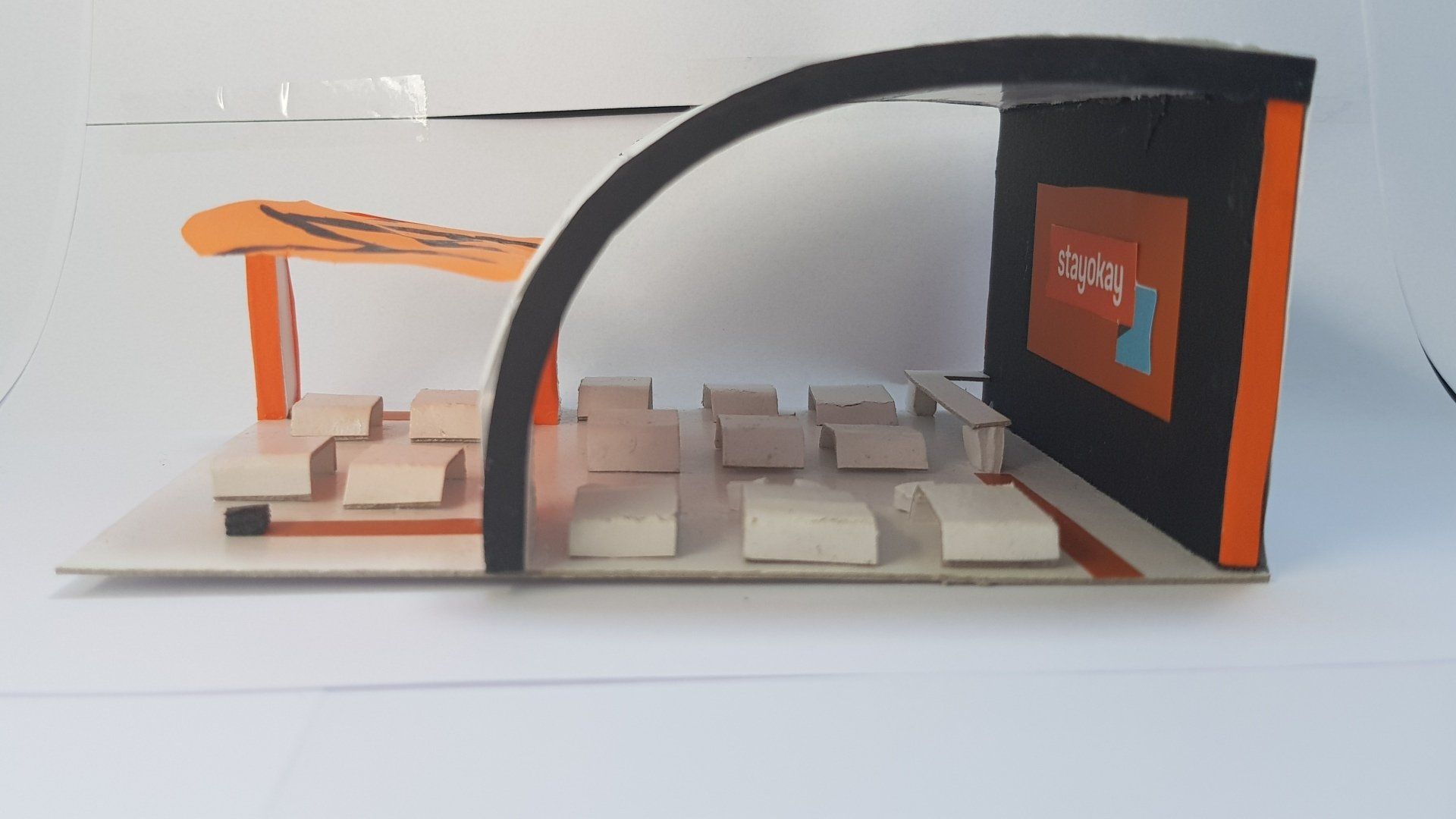
Stay Okey
In the initial phase, we deconstructed the Stayokey logo into segments, which we subsequently repainted using a range of artistic techniques.
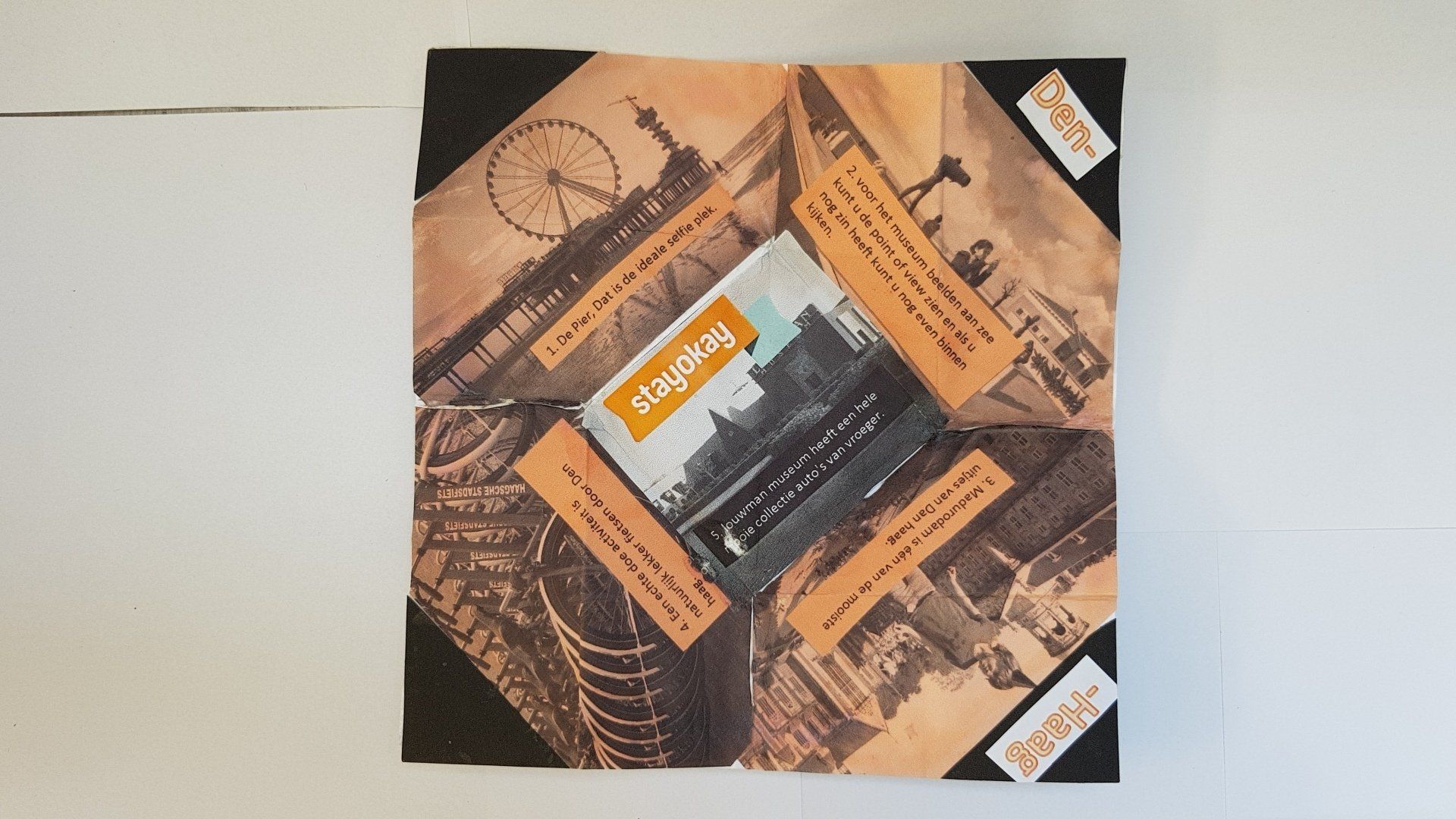
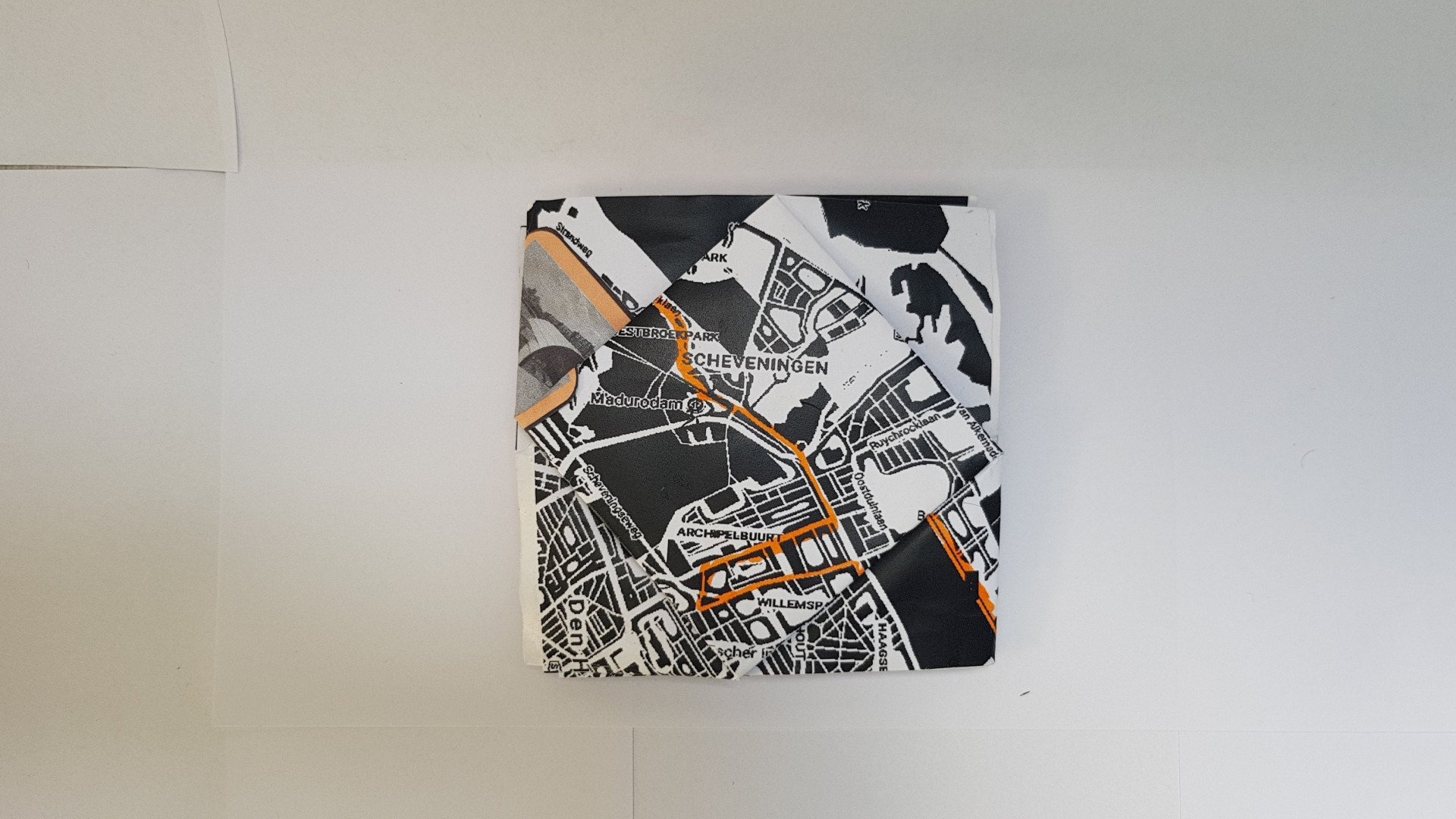
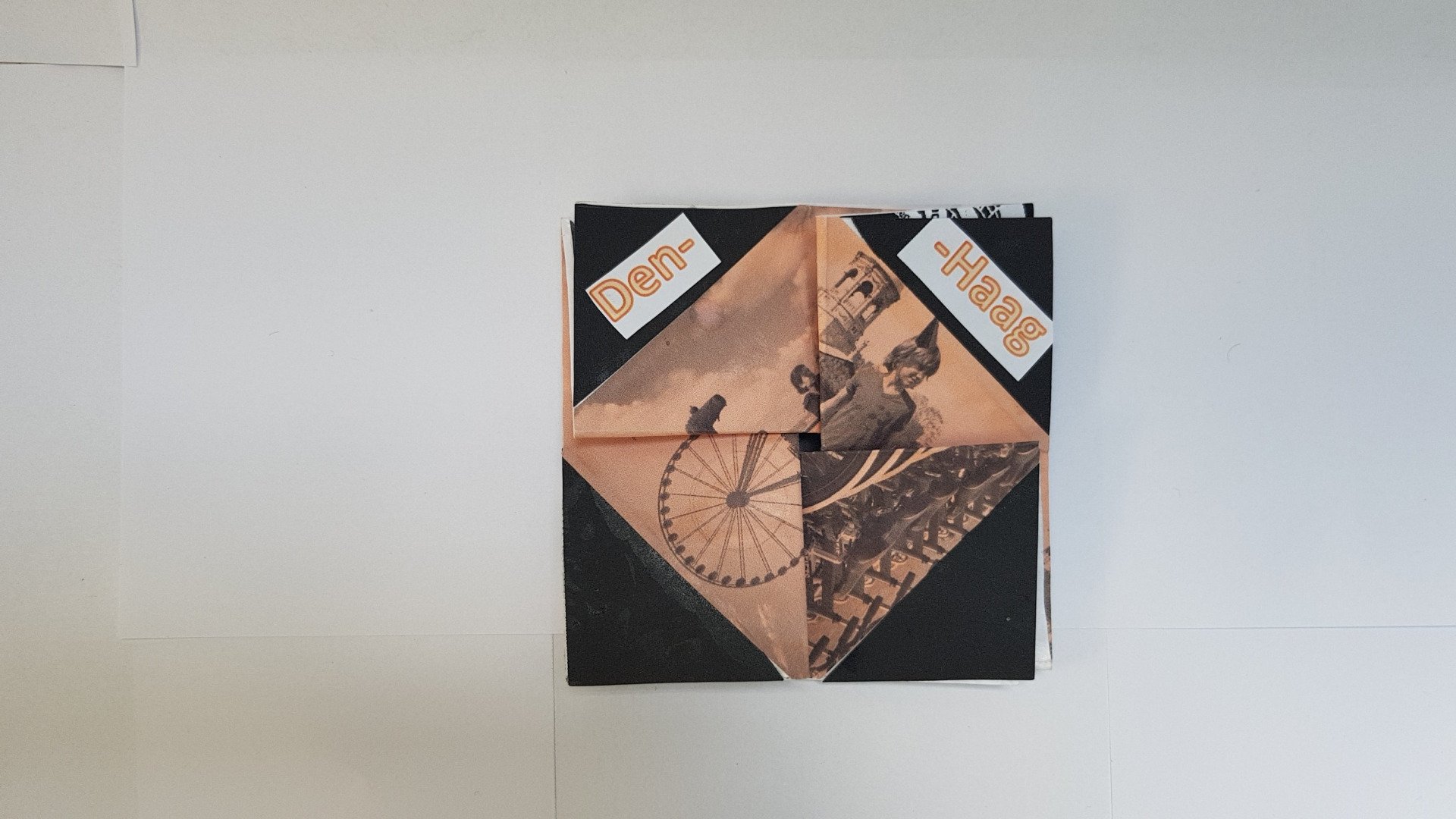
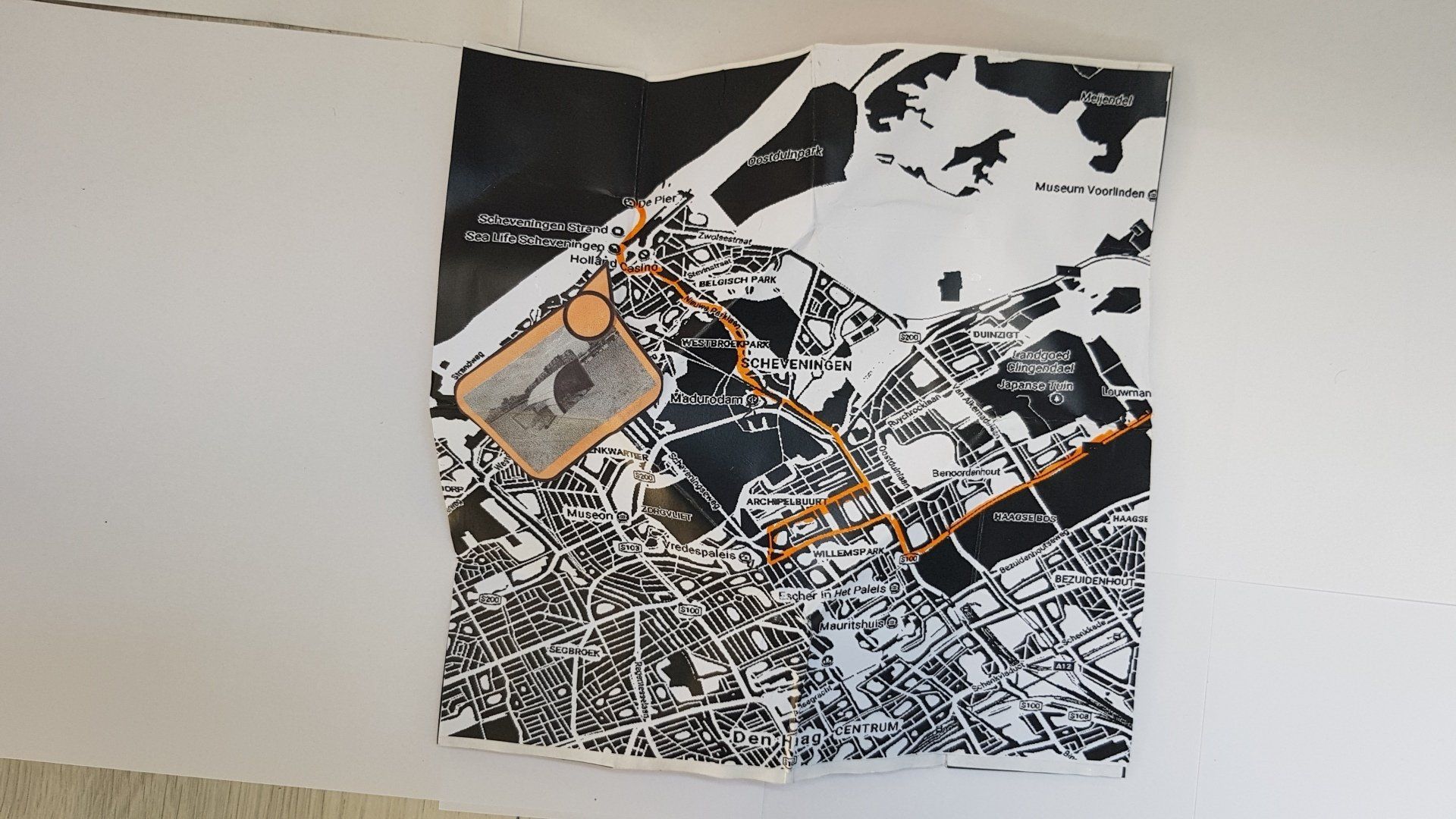
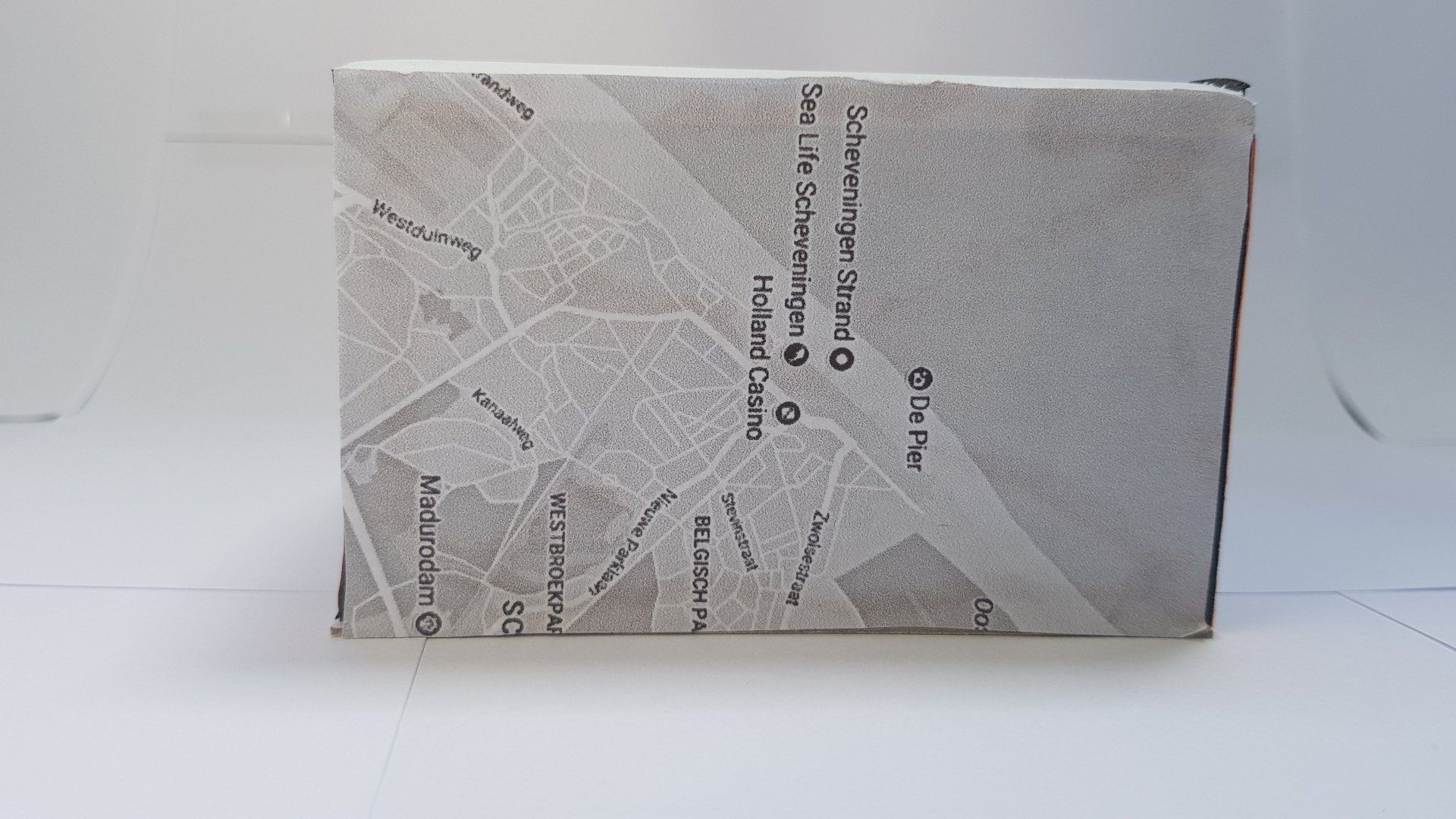
I have designed a brochure for Stayokay featuring the must-see attractions of The Hague that overnight guests should definitely explore.
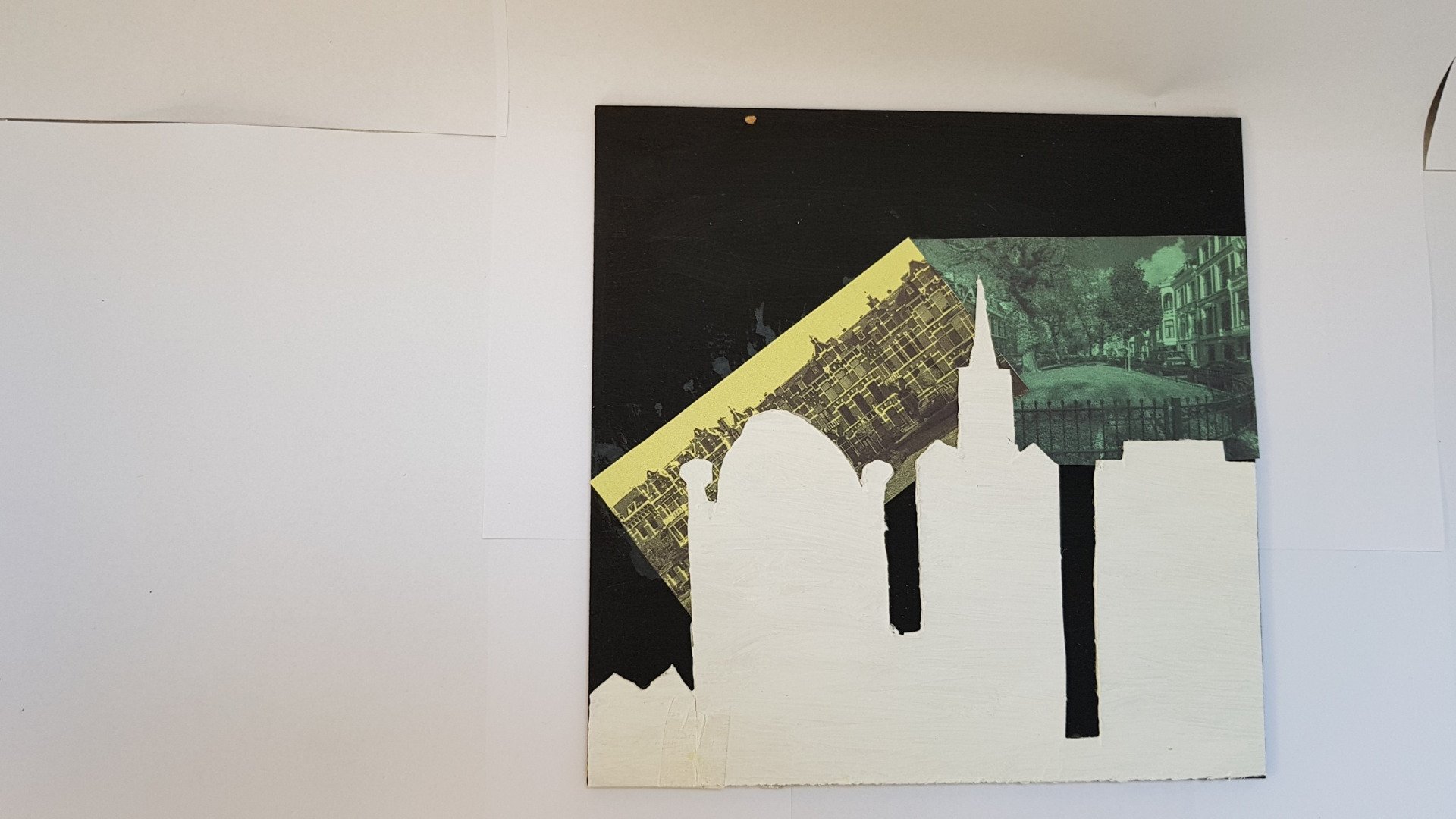
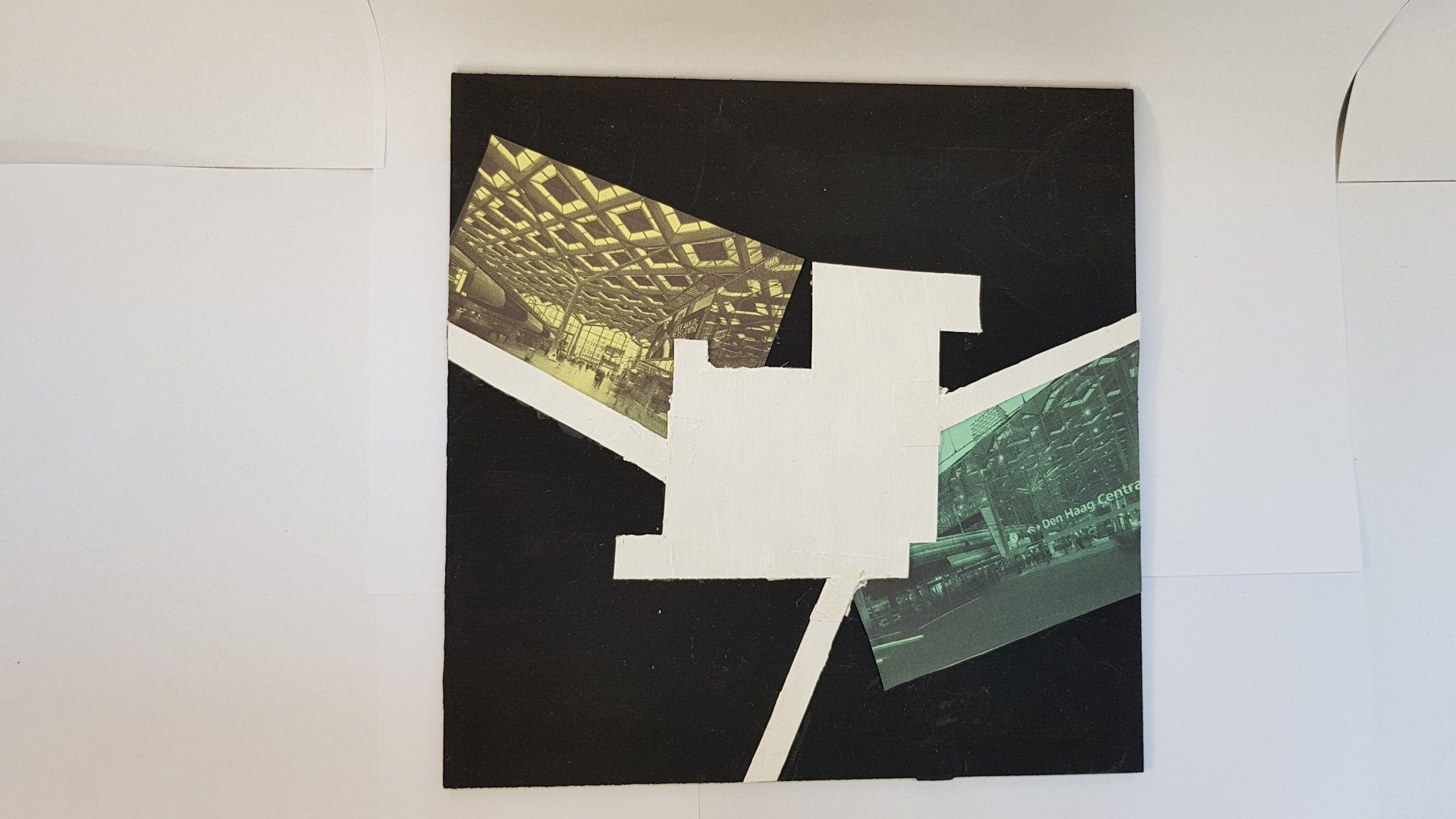
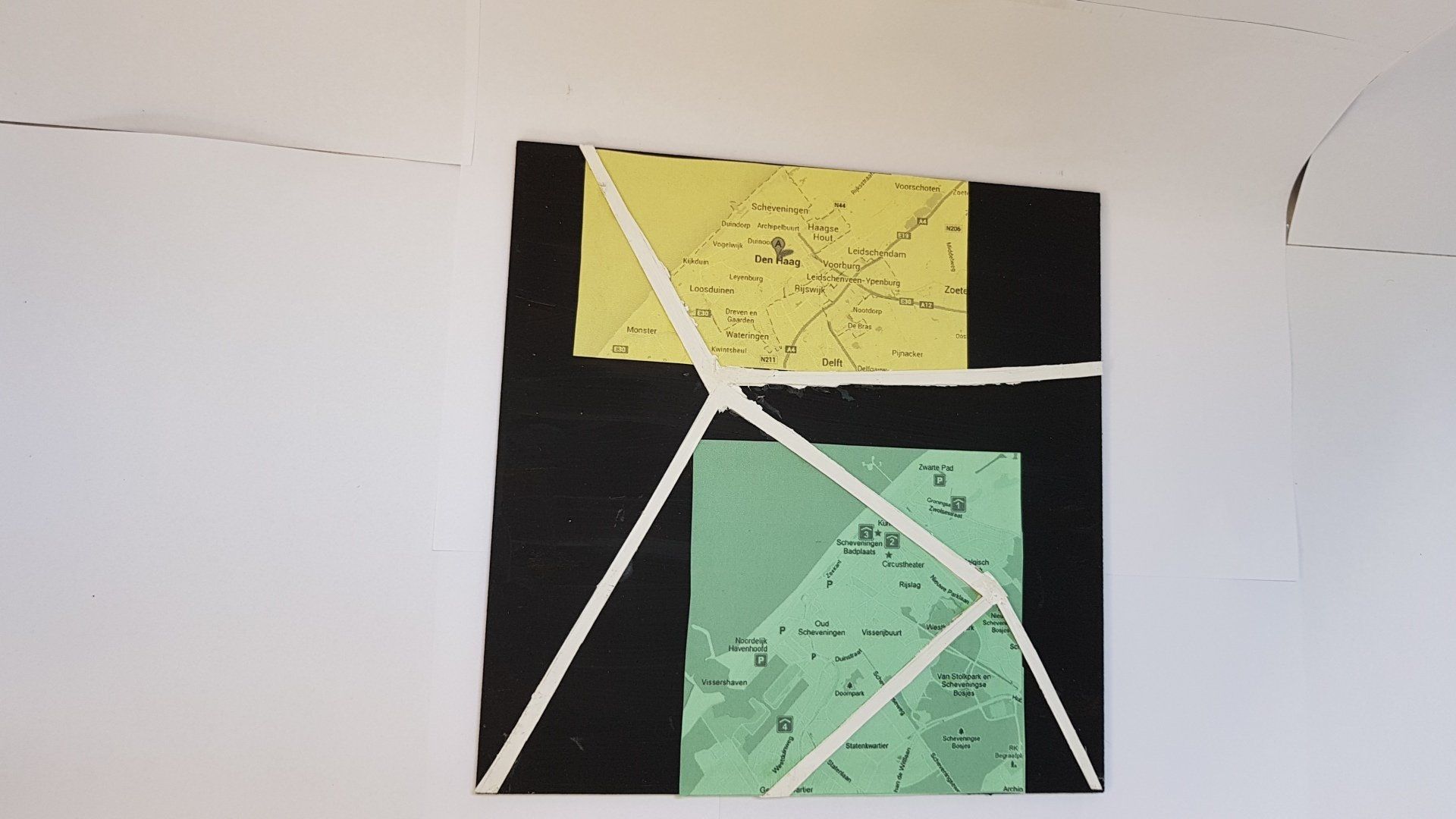
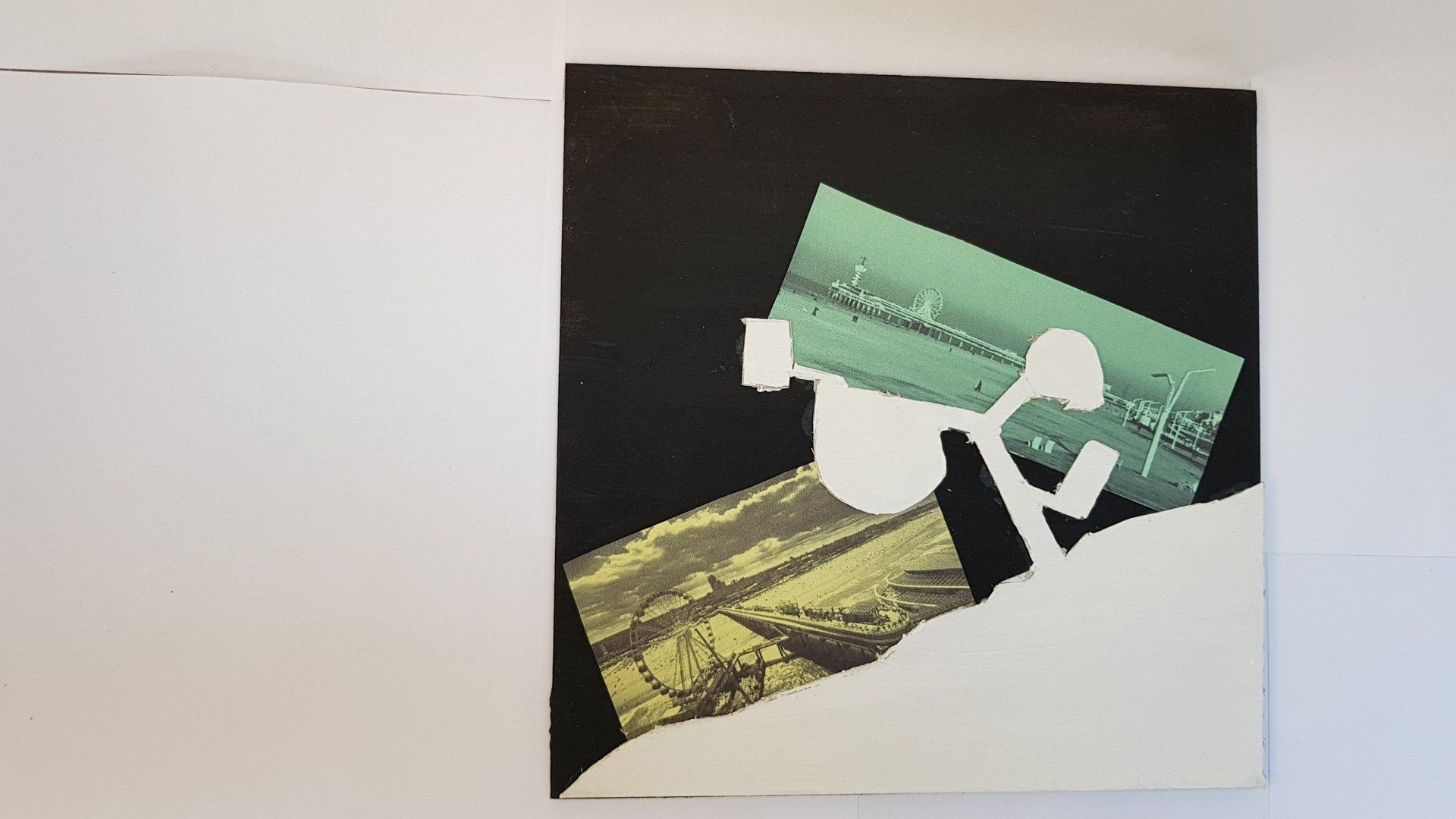
For Stayokey, I've also been occupied crafting ixxi signs, as city lines have been integrated into the map through a cityscape design. Here, I have ixxi plates featuring those city lines, combined with images that create a skyline.